
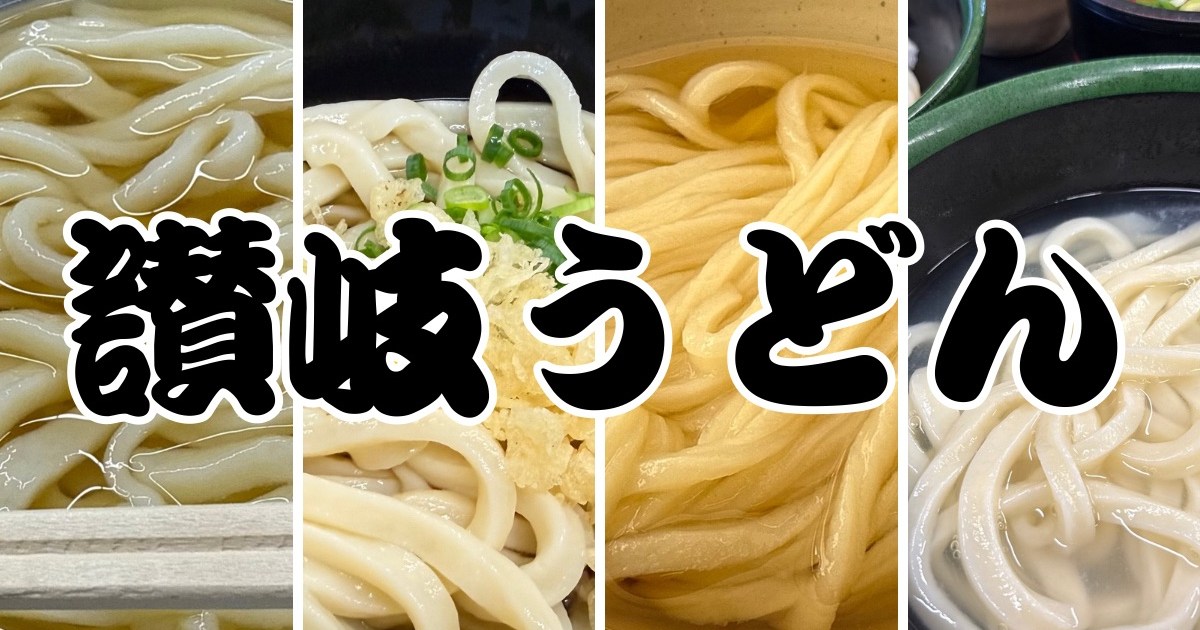
The surprise was simple: the noodles were soft. In a new Rocket News lifestyle piece published on November 23, 2026, writer Saya Togashi says her long-held image of Sanuki udon fell apart when she finally ate it in Kagawa, the region most closely associated with the dish. She had expected extremely firm noodles with powerful bite. What she found instead was something gentler.
Before the trip, Togashi had prepared seriously. Because many udon shops 閉店 (heiten) in the early afternoon, she planned an eating route and even rehearsed how to move through a self-service shop smoothly, all the way to 会計 (kaikei), or checkout. Once there, she joined the crowds at popular stores, saw morning 行列 (gyouretsu), and ate udon outside under clear skies in what she describes as a very Kagawa kind of happiness.
Kagawa's udon culture is everywhere
For many people outside Kagawa, "Sanuki udon" often brings to mind chain shops such as Marugame Seimen or packaged noodles sold in supermarkets. Togashi, who grew up in eastern Japan, shared that image too. She especially connected Sanuki udon with strong コシ—that famous chewy resilience Japanese speakers often talk about.
In Kagawa, though, udon is woven into daily life. The prefecture calls itself "Udon Prefecture," and the writer found 名店 (meiten), or famous shops, all over the area. There were full-service shops, self-service shops, and noodle-factory-style shops. Many opened from the morning, making it possible to eat "morning udon" before work, and a basic かけうどん (kake udon) could start at around 300 yen for one portion.
She also notes that locals often have a ひいき (hiiki) shop they have loved since childhood. Even when there were lines, turnover was fast, and travelers could quickly move from one shop to the next. Eating at simple tables on round stools made the whole town feel like a festival devoted entirely to udon.
"Hard" and "chewy" were not the same thing
Still, one thing kept bothering her: the noodles did not feel as hard as she expected. She tried different shops, different days, and different menu items, but the impression remained the same. Even after making udon herself at Nakano Udon School, using dough prepared by professionals, she still felt that the noodles were softer than the commercially sold udon she knew from Honshu.
Back home, she started reading explanations from people involved in making and selling udon. Then the key idea became clear: noodle hardness and 弾力 (danryoku), or elasticity, are different things. The 真髄 (shinzui), the true essence of Sanuki udon, was not simple hardness. It was the springy stretch you feel when you bite into noodles that still go down smoothly, a quality Japanese often describe as 喉ごし (nodogoshi).
Looking back, she realized that Kagawa's noodles had felt soft and kind on the surface, but still had a core of resilience, almost like mochi stretching slightly when chewed. She came away thinking that what she had long believed was Sanuki udon may actually have been just "hard udon." For her, visiting the real place overturned the whole concept.
Learn Japanese from This Article
Vocabulary
| Japanese | Romaji | Meaning |
|---|---|---|
| 閉店 | heiten | shop closing; closing time |
| 会計 | kaikei | payment; bill; checkout |
| 行列 | gyouretsu | line; queue |
| 名店 | meiten | famous shop; well-known establishment |
| ひいき | hiiki | favorite; regular support; preferred shop/person |
| 喉ごし | nodogoshi | smooth feeling when food or drink goes down the throat |
| 弾力 | danryoku | elasticity; springiness |
| 真髄 | shinzui | essence; core; true nature |
Grammar Spotlight
〜なら
Pattern: noun + なら / plain form + なら Meaning: "if it is," "if you're going to," or "when it comes to"
From the article: 四国に渡るなら、もう旅のメインミッションと呼んでも過言ではない本場の讃岐うどん! Shikoku ni wataru nara, mou tabi no mein misshon to yondemo kagon de wa nai honba no Sanuki udon! "If you're going to Shikoku, it would not be an exaggeration to call authentic Sanuki udon the main mission of the trip."
Example: 香川に行くなら、朝うどんを食べてみたいです。 Kagawa ni iku nara, asa udon o tabete mitai desu. "If I go to Kagawa, I want to try eating morning udon."
Example: セルフの店なら、流れを先に知っておくと安心です。 Serufu no mise nara, nagare o saki ni shitte oku to anshin desu. "If it's a self-service shop, it's reassuring to know the process beforehand."
〜てみる
Pattern: verb in て-form + みる Meaning: to try doing something
From the article: 耕平記者の記事に詳しい「中野うどん学校」で筆者もうどんを打ってみた。 Kouhei kisha no kiji ni kuwashii "Nakano Udon Gakkou" de hissa mo udon o uttemita. "At Nakano Udon School, which was described in detail in reporter Kohei's article, the writer also tried making udon."
Example: 本場の讃岐うどんを食べてみると、イメージが変わるかもしれません。 Honba no Sanuki udon o tabete miru to, imeeji ga kawaru kamo shiremasen. "If you try eating authentic Sanuki udon, your image of it might change."
Example: 違う店でも食べてみると、麺の個性がよくわかります。 Chigau mise demo tabete miru to, men no kosei ga yoku wakarimasu. "If you try eating at different shops too, you can really understand each noodle's character."
Useful Expressions
コシがある Koshi ga aru "To have chew and springiness." This does not simply mean "hard." That is the key lesson of this story.
朝うどん Asa udon "Morning udon." A local habit of eating udon early in the day.
かけ Kake A simple style of udon served with broth. In the source, one bowl starts from around 300 yen.
Continue Learning
- Conditional Forms: Tara, Ba, To Hypotheticals: Want to use 〜なら from this article yourself? Our Conditional Forms: Tara, Ba, To Hypotheticals lesson covers it.
- Compound Verbs: Nuanced Action Layers: Want to use 〜てみる from this article yourself? Our Compound Verbs: Nuanced Action Layers lesson covers it.
これからもよろしくお願いします。 Kore kara mo yoroshiku onegaishimasu.