
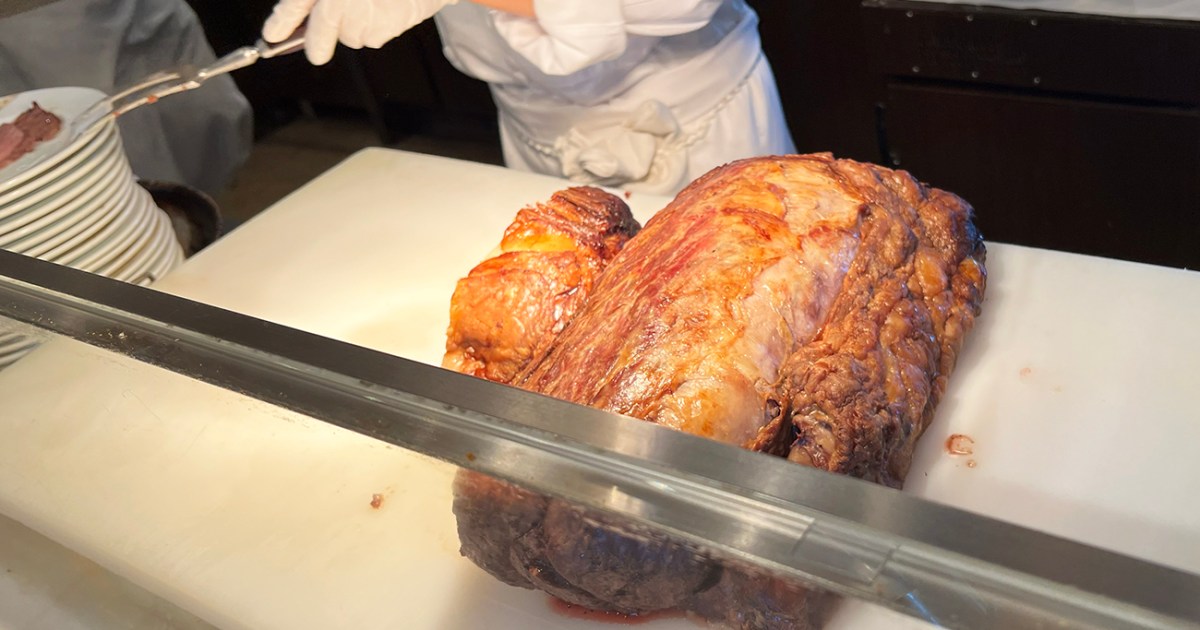
A two-hour buffet on the 17th floor of Tokyo’s Imperial Hotel costs 12,000 yen, and Rocket News came away saying it felt cheap for how “imperial” the experience was. The restaurant is インペリアルバイキング サール (Inperiaru Baikingu Sāru), a 食べ放題 (tabehoudai, all-you-can-eat) spot described as the birthplace of “Viking” dining in Japan and the country’s first buffet restaurant.
The restaurant sits inside the Imperial Hotel Tokyo, a 名門 (meimon, prestigious) hotel known for its long history. The source describes the hotel’s 136-year history as so influential that “it is no exaggeration to say” it traces the path of Western-style hotels in Japan. Its first chairman was Shibusawa Eiichi.
A crowded opening and walk-in seats
The writer arrived about 20 minutes before the 11:00 a.m. opening and found the floor already packed with waiting customers, even though it was a weekday around the middle of the week. That made it seem like reservations might be necessary, but staff said there was still room for 当日受付 (toujitsu uketsuke, walk-in acceptance) that day.
Lunch was priced at 12,000 yen for two hours. Even before the food, the atmosphere felt different from an ordinary buffet. Nearby tables gave off the mood of 会食 (kaishoku, formal or celebratory dining) rather than a quick lunch, and the room felt calm enough to look carefully at each dish.
Why the buffet stood out
The first dish that caught the writer’s eye was the roast beef. Instead of thin slices or scraps, it had the volume of steak, and the taste was described as completely different from ordinary roast beef: juicy, smooth on the tongue, tender, with sweet fat that seemed to melt.
The buffet included Western food, Chinese food, and Japanese food, with a wide range running from Peking duck to shortcake and fruit. The writer felt each dish tasted reliable and authentic, and that the quality itself carried a sense of tradition more strongly than the interior design or the room’s aura did.
That quality made the 12,000-yen price feel justified. The writer said they “could not help but” accept the price because every part of the meal seemed to be at the highest standard. For a birthday, anniversary, or another celebration, it came across as an especially fitting place.
A place the writer wants to revisit with someone
The visit ended on a more personal note. Although the writer went alone, many of the other tables appeared to be large celebratory groups, and the experience reminded them that meals are also about sharing joy with other people, not only satisfying hunger.
The restaurant featured here is Imperial Viking Sal, located on the 最上階 (saijoukai, top floor), the 17th floor of the Imperial Hotel’s main building in Uchisaiwaicho, Chiyoda, Tokyo. Its hours are 7:00–10:00, 11:00–15:00, and 17:30–22:00, and it is open every day. The source also notes that on December 24 and 25, Santa appears for 記念撮影 (kinen satsuei, commemorative photos). Original source: Rocket News
Learn Japanese from This Article
Vocabulary
| Japanese | Romaji | Meaning |
|---|---|---|
| 名門 | meimon | prestigious; well-established |
| 最上階 | saijoukai | top floor |
| 発祥 | hasshou | origin; birthplace |
| 当日受付 | toujitsu uketsuke | same-day registration; walk-in acceptance |
| 会食 | kaishoku | formal meal; business or celebratory dining |
| 食べ放題 | tabehoudai | all-you-can-eat |
| 記念撮影 | kinen satsuei | commemorative photo; souvenir photo |
Grammar Spotlight
〜と言っても過言ではない
Meaning: “It is no exaggeration to say that…”
Pattern: [Noun / plain form] + と言っても過言ではない
From the article: ロビーのオーラは言うまでもないけど、136年の歩みは日本における西洋式ホテルの道と言っても過言ではない。 Robī no ōra wa iu made mo nai kedo, hyaku sanjū roku-nen no ayumi wa Nihon ni okeru seiyōshiki hoteru no michi to itte mo kagon de wa nai. You could say, without exaggeration, that its 136-year history traces the path of Western-style hotels in Japan.
Example: この店は日本のバイキング文化の発祥と言っても過言ではない。 Kono mise wa Nihon no baikingu bunka no hasshou to itte mo kagon de wa nai. It is no exaggeration to say this restaurant is the birthplace of buffet culture in Japan.
帝国ホテルは東京を代表する名門ホテルと言っても過言ではない。 Teikoku Hoteru wa Tōkyō o daihyō suru meimon hoteru to itte mo kagon de wa nai. It is no exaggeration to say that the Imperial Hotel is one of Tokyo’s representative prestigious hotels.
〜ずにはいられない
Meaning: “Cannot help but…” or “cannot avoid doing…”
Pattern: Verb nai-stem + ずにはいられない
From the article: 1万2000円の食べ放題レストランとか初めて入ったけど、全ての質が最高水準すぎて納得せずにはいられなかった。 Ichiman nisen-en no tabehoudai resutoran toka hajimete haitta kedo, subete no shitsu ga saikō suijun sugite nattoku sezu ni wa irarenakatta. It was my first time entering a 12,000-yen all-you-can-eat restaurant, but the quality was so high that I couldn’t help accepting the price.
Example: 料理を見たら写真を撮らずにはいられない。 Ryōri o mitara shashin o torazu ni wa irarenai. When you see the food, you can’t help taking pictures.
あのローストビーフを食べたら、また来たいと思わずにはいられない。 Ano rōsutobīfu o tabetara, mata kitai to omowazu ni wa irarenai. After eating that roast beef, you can’t help wanting to come back.
Useful Expressions
席が空いていれば当日受付可 Seki ga aite ireba toujitsu uketsuke ka If seats are available, walk-ins are accepted.
1人で来てるのワシだけやないか Hitori de kiteru no washi dake ya nai ka Am I really the only one here alone? This is a casual, humorous way of noticing you are the only person by yourself.
今度は誰かと来たい Kondo wa dareka to kitai Next time, I want to come with someone.
Continue Learning
- Potential Form: Abilities and Possibilities: Want to use 〜れない from this article yourself? Our Potential Form: Abilities and Possibilities lesson covers it.
- Time and Dates: Tense-Free Expressions: Ready to dive deeper? Our lesson on Time and Dates: Tense-Free Expressions will help you master these concepts.
これからもよろしくお願いします。 Kore kara mo yoroshiku onegaishimasu.