
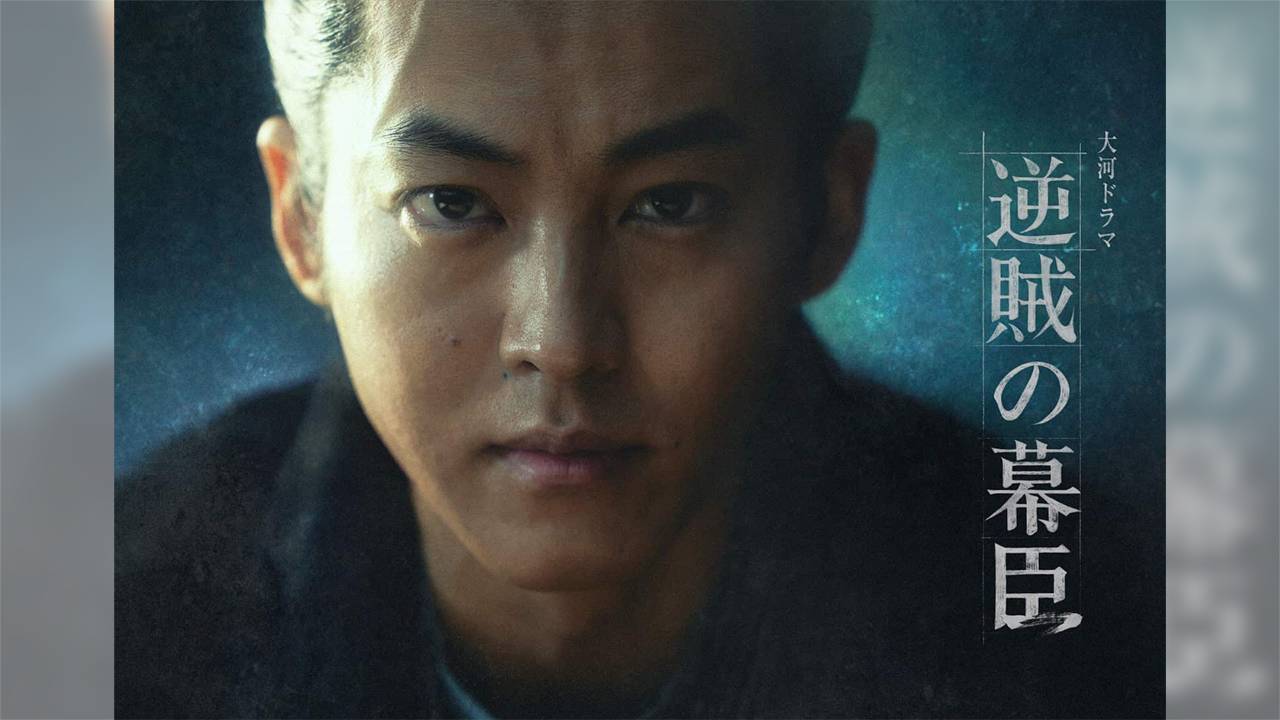
The 2027 NHK historical drama will be 『逆賊の幕臣』 (Gyakuzoku no Bakushin), with Oguri Tadamasa as its 主人公 (shujinkou), or main character. Ahead of that broadcast, Japaaan introduced four ゆかりの地 (yukari no chi), places connected to his life, that people can still visit today.
Oguri Tadamasa, also known as Oguri Kōzuke-no-suke Tadamasa, was highly regarded but died a tragic death. The source notes that many viewers may already be looking ahead as the 2026 taiga drama 『豊臣兄弟!』 reaches its climax, and this new series will turn to a bakufu official who held several 要職 (youshoku), or key posts, late in the Edo period.
A birthplace marker in Tokyo
Oguri Tadamasa was born in 1827, in Bunsei 10, at a hatamoto residence in Kanda-Surugadai in Edo. The Oguri family was a distinguished Tokugawa vassal house dating back to Mikawa, with an income of 2,500 koku.
Today, in Kanda-Surugadai in Tokyo’s Chiyoda Ward, there is a stone marker showing his 生誕 (seitan), or birthplace. It is identified as 「まちの記憶保存プレートガイド(小栗上野介ここに生まれる)」. The source connects his later reputation to the years he spent in Edo, where his character and judgment were formed before he went on to serve as inspector, finance magistrate, and foreign magistrate.
Yokosuka preserves his achievements
In 1860, in Man’en 1, Oguri traveled to the United States として (toshite), as a member of the Japanese mission. During that trip, he 目の当たりにする (me no atari ni suru) Europe’s and America’s industrial strength directly, and after returning to Japan he argued for the need to build a shipyard.
That effort led to construction beginning in 1865, in Keiō 1, on the Yokosuka Iron Works. The project moved forward with help from the French engineer Verny and others, and it was later inherited by what became the Yokosuka Shipyard.
In Yokosuka, Kanagawa Prefecture, Verny Park at 1-1 Shioiri-chō has busts of both men. The source says they quietly convey the footsteps they left in Japan’s modernization. Visitors can also learn about Oguri’s 功績 (kouseki), or achievements, at the Yokosuka Museum of Nature and Human Sciences and the Verny Memorial Museum.
Learn Japanese from This Article
Vocabulary
| Japanese | Romaji | Meaning |
|---|---|---|
| 主人公 | shujinkou | main character; protagonist |
| 記念 | kinen | commemoration; celebration of an occasion |
| ゆかりの地 | yukari no chi | a place associated with a person |
| 生誕 | seitan | birth |
| 功績 | kouseki | achievement; meritorious accomplishment |
| 目の当たりにする | me no atari ni suru | to see directly; to witness with one's own eyes |
| 要職 | youshoku | important post; key position |
Grammar Spotlight
〜のではないでしょうか
This pattern softens a guess or suggestion. In English, it often feels like “perhaps...” or “isn’t it that...?”
From the article: 2026年の大河ドラマ『豊臣兄弟!』もちょうどクライマックスを迎え、そろそろ次の大河ドラマに期待している方も多いのではないでしょうか。 2026-nen no taiga dorama “Toyotomi Kyoudai!” mo chōdo kuraimakkusu o mukae, sorosoro tsugi no taiga dorama ni kitai shite iru kata mo ooi no de wa nai deshou ka. As the 2026 taiga drama Toyotomi Brothers! reaches its climax, perhaps many people are already starting to look forward to the next taiga drama.
Example: この場所に行ってみたいと思う人も多いのではないでしょうか。 Kono basho ni itte mitai to omou hito mo ooi no de wa nai deshou ka. Perhaps many people would like to visit this place.
Example: 小栗忠順の名前を初めて知った人もいるのではないでしょうか。 Oguri Tadamasa no namae o hajimete shitta hito mo iru no de wa nai deshou ka. Perhaps some people learned Oguri Tadamasa’s name for the first time.
〜として
This pattern means “as” or “in the role/capacity of.”
From the article: 1860年(万延元年)に遣米使節の一員として渡米した忠順は、欧米の工業力を目の当たりにしました。 1860-nen (Man’en gannen) ni kenbei shisetsu no ichiin to shite tobei shita Tadamasa wa, Ōbei no kōgyōryoku o me no atari ni shimashita. In 1860, Tadamasa traveled to the United States as a member of the Japanese mission and saw Western industrial power with his own eyes.
Example: 主人公として小栗忠順が描かれます。 Shujinkou to shite Oguri Tadamasa ga egakaremasu. Oguri Tadamasa will be portrayed as the main character.
Example: 歴史上の人物として今も語り継がれています。 Rekishi-jō no jinbutsu to shite ima mo kataritsugarete imasu. He is still spoken of today as a historical figure.
Useful Expressions
『逆賊の幕臣』を記念し “Gyakuzoku no Bakushin” o kinen shi to commemorate the drama Gyakuzoku no Bakushin
ゆかりの地を訪ねる yukari no chi o tazuneru to visit places associated with a historical person
功績を学ぶことができる kouseki o manabu koto ga dekiru can learn about someone’s achievements
Continue Learning
- Cultural Nuances in Language: The Power of Context: Want to use 〜うか from this article yourself? Our Cultural Nuances in Language: The Power of Context lesson covers it.
これからもよろしくお願いします。 Kore kara mo yoroshiku onegaishimasu.