
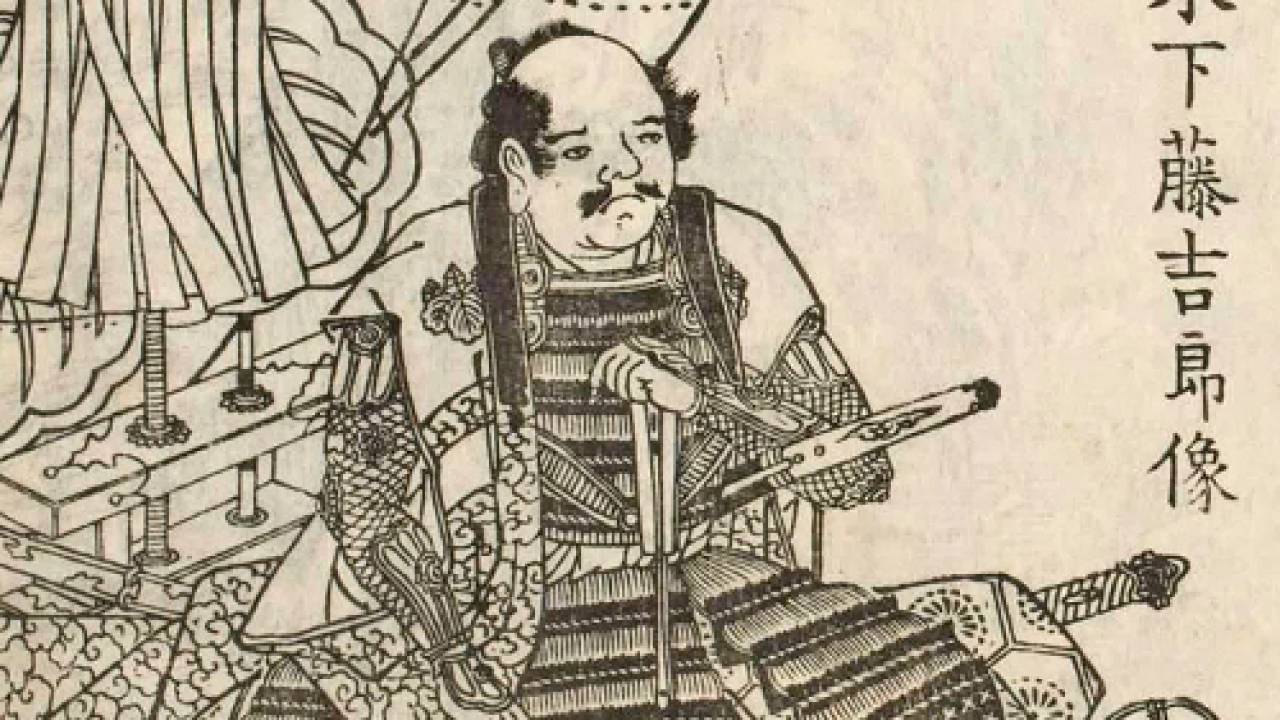
A newly found hand scroll contains five letters, four of which are thought to be Toyotomi Hideyoshi’s own handwriting, and it is now 一般公開中 (ippan koukai chuu, currently open to the public) at the Naito Museum of Pharmaceutical Science and Industry in Kakamigahara, Gifu Prefecture. According to Japaaan, the oldest of the four autograph letters is dated December 29, 1570, making it the earliest known surviving Hideyoshi letter in his own hand among 72 such documents.
The newly shown item is a 巻子 (kansu, hand scroll) containing five letters. The set is called 豊臣秀吉自筆等文書一括五通 and had been 納められていました (osamerarete imashita, stored inside) a paulownia wood box labeled 豊太閤御消息, meaning Hideyoshi’s letters.
What Hideyoshi asked for
The oldest letter, titled 木下秀吉消息, includes a striking request. Hideyoshi wrote that he was going on 湯治 (touji, a therapeutic stay at a hot spring) and wanted 100 tweezers, 100 nail clippers, and 5 まるかみ—described here as something used when tying up hair—to be urgently arranged and sent to the hot-spring site by the 10th day of the New Year.
That order was placed on the 29th day of the 12th month, leaving 12 days until January 10 under the 30-day month system used at the time. The museum says these items were likely meant to be handed out to the retainers and women accompanying him on the trip.
A glimpse of Hideyoshi’s thoughtfulness
Based on the quantities, the group was probably expected to include 95 men and 5 women. The source suggests the items may have been simple gifts, or tools for personal grooming while everyone relaxed during the hot-spring stay.
That small act of 気遣い (kizukai, consideration; thoughtfulness) stands out. Even in a short practical message, the letters show a person making detailed 手配 (tehai, arrangements) for the people traveling with him.
Learn Japanese from This Article
Vocabulary
| Japanese | Romaji | Meaning |
|---|---|---|
| 自筆書状 | jihitsu shojou | autograph letter; handwritten letter |
| 一般公開中 | ippan koukai chuu | currently open to the public |
| 巻子 | kansu | hand scroll |
| 収録 | shuuroku | included; recorded; contained |
| 納められていました | osamerarete imashita | was stored; was placed inside |
| 湯治 | touji | hot-spring cure; therapeutic stay at a hot spring |
| 手配 | tehai | arrangement; preparation |
| 気遣い | kizukai | consideration; thoughtfulness |
Grammar Spotlight
〜と考えられています — “is considered to; is thought to”
Pattern: Noun + と考えられています
From the article: 5通のうち4通は秀吉の自筆文書と考えられています。 Go-tsuu no uchi yon-tsuu wa Hideyoshi no jihitsu bunsho to kangaerarete imasu. Four of the five letters are thought to be documents handwritten by Hideyoshi.
Example: この巻子はたいへん貴重な史料だと考えられています。 Kono kansu wa taihen kichou na shiryou da to kangaerarete imasu. This hand scroll is considered a very valuable historical source.
Example: その箱は江戸時代から残っているものだと考えられています。 Sono hako wa Edo jidai kara nokotte iru mono da to kangaerarete imasu. That box is thought to be something that has survived since the Edo period.
Use this pattern when you want to present a scholarly or reported judgment without sounding too absolute.
〜ためだそうです — “it is said that it is for the purpose of; according to reports, the reason is”
Pattern: Verb dictionary form + ためだそうです Noun + のためだそうです
From the article: どうやら湯治に同行する家臣や女性(妻女や侍女)たちへ配るためだそうで、注文数から察するに、男性95名と女性5名が同行予定だったのでしょう。 Douyara touji ni doukou suru kashin ya josei (saijo ya jijo) tachi e kubaru tame da sou de, chuumonsuu kara sassuru ni, dansei kyuujuugo-mei to josei go-mei ga doukou yotei datta no deshou. Apparently, it is said the items were meant to be distributed to the retainers and women accompanying him to the hot spring, and judging from the order numbers, 95 men and 5 women were probably expected to go along.
Example: これは客に配るためだそうです。 Kore wa kyaku ni kubaru tame da sou desu. It is said that this is for handing out to guests.
Example: その道具は髪を結うためだそうです。 Sono dougu wa kami o yuu tame da sou desu. It is said that that tool is for tying up hair.
Use this when you are passing along reported information about someone’s purpose or reason.
Useful Expressions
豊太閤御消息 Hou Taikou goshousoku Hideyoshi’s letters
一般公開中です。 Ippan koukai chuu desu. It is currently open to the public.
急ぎ手配してほしい Isogi tehai shite hoshii I want you to arrange it quickly.
Continue Learning
- Numbers and Counters: Contextual Counting Systems: Want to use 〜ています from this article yourself? Our Numbers and Counters: Contextual Counting Systems lesson covers it.
- Tai Form: Authentic Desire Expressions: Want to use 〜そうです from this article yourself? Our Tai Form: Authentic Desire Expressions lesson covers it.
これからもよろしくお願いします。 Kore kara mo yoroshiku onegaishimasu.