
Toyotomi Hideyoshi announced a tea gathering where “anyone could join,” regardless of 身分 (mibun), and even people without expensive utensils were invited. That event was the 北野大茶湯—the Grand Kitano Tea Gathering—held in 1587 at Kitano Tenmangū Shrine and the surrounding woods in Kyoto. Yet despite its scale and bold message, it was called off after just one day.
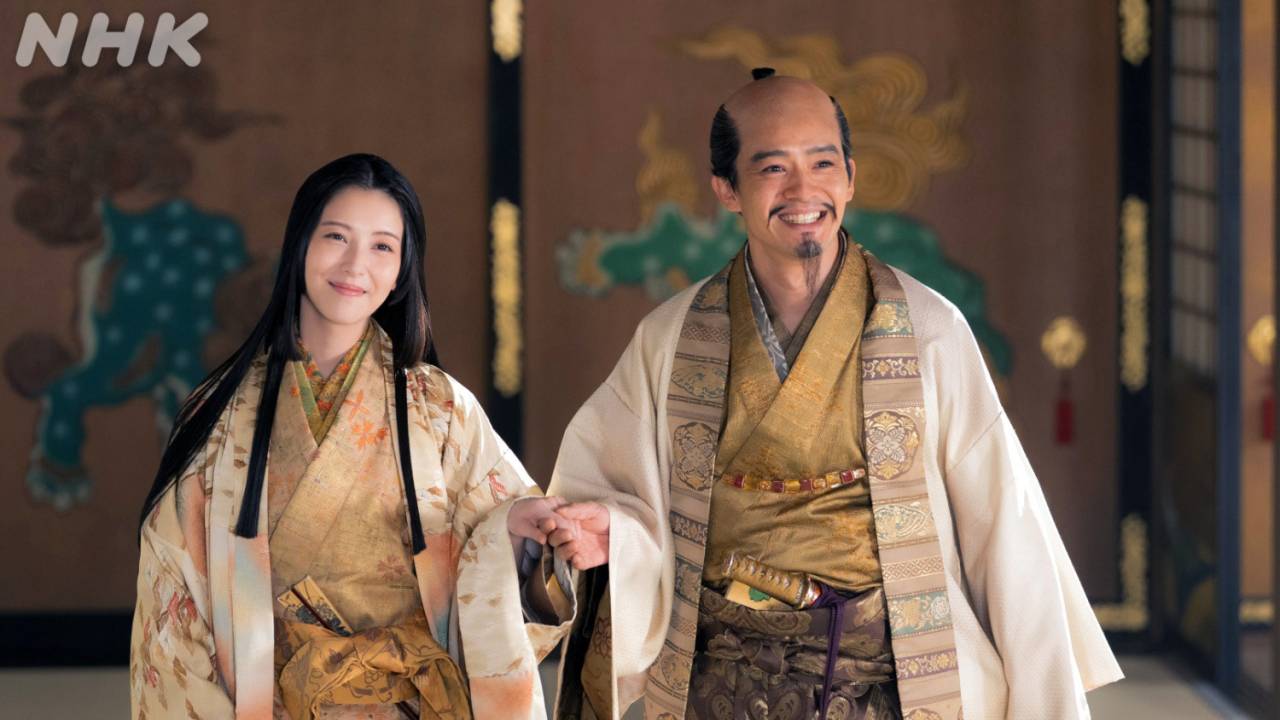
According to Japaaan, this famous but short-lived tea event appears in episode 42 of the Taiga drama 「豊臣兄弟!」. The historical question is the same in both drama and history: what kind of gathering was the Kitano Grand Tea Gathering, and why was it suddenly stopped?
A celebration at the height of Toyotomi power
The tea gathering was planned during a moment when Toyotomi power looked especially strong. In 1587, Tokugawa Ieyasu had already entered 臣従 (shinjuu), submission to Hideyoshi, and received the court rank of Junior Second Rank and the title Gon-Dainagon, standing alongside Hideyoshi’s younger brother Hidenaga. The source describes the Toyotomi system of rule as becoming even more secure.
In May of that same year, Shimazu Yoshihisa made a 降伏 (koufuku), a surrender, which meant Hideyoshi had almost brought western Japan under his control. Then in September, his grand 聚楽第 residence was completed, giving the kampaku, or imperial regent, a Kyoto 本拠 (honkyo), a political base in the capital.
For Hideyoshi and for Nene, who had continued to support the Toyotomi house, this must have felt like a season of celebration. The source even frames this as perhaps the best period in their lives. The Kitano Grand Tea Gathering was held as a 祝賀 (shukuga), a celebration, and also as a display of force and prestige to show “Toyotomi momentum” both inside and outside the regime.
Why Hideyoshi planned the Kitano Grand Tea Gathering
The event was organized at the same time as the completion of Jurakudai, a symbol of Toyotomi wealth and 権威 (ken'i), authority and prestige. The source also connects the plan to Hideyoshi’s return to Kyoto after his victory in the Kyushu campaign, which had continued from the previous year into the fifth month of 1587.
Hideyoshi then issued an おふれ (ofure), an official public proclamation, on July 28, 1587. It was sent to Kyoto, Nara, Sakai, and other places to announce the tea gathering.
A quoted historical assessment in the source describes the event as a major political device. It says Hideyoshi used an unusually common, open approach to raise the mood of peace and soften people’s hearts. At the same time, the gathering that was supposed to show his rising power ended in 中止 (chuushi), cancellation, after only one day.
Learn Japanese from This Article
Vocabulary
| Japanese | Romaji | Meaning |
|---|---|---|
| 身分 | mibun | social status; rank |
| 臣従 | shinjuu | submission to a ruler; becoming a vassal |
| 降伏 | koufuku | surrender |
| 本拠 | honkyo | headquarters; main base |
| 祝賀 | shukuga | celebration; congratulation |
| 中止 | chuushi | cancellation; calling off |
| 権威 | ken'i | authority; prestige |
| おふれ | ofure | official proclamation; public notice |
Grammar Spotlight
〜にとって — for; to; from the standpoint of
From the article: 秀吉にも豊臣家を支え続けてきた寧々にとっても、「もうすぐこの世の春」なお祝い気分でしょう。 Hideyoshi ni mo Toyotomi-ke o sasae tsuzukete kita Nene ni totte mo, “mou sugu kono yo no haru” na oiwai kibun deshou. For Hideyoshi too, and for Nene who had continued to support the Toyotomi family, it must have felt like springtime in this world was just around the corner.
Example: 日本史に興味がある人にとって、北野大茶湯はとても面白い出来事です。 Nihonshi ni kyoumi ga aru hito ni totte, Kitano Oochanoyu wa totemo omoshiroi dekigoto desu. For people interested in Japanese history, the Kitano Grand Tea Gathering is a very interesting event.
Example: 茶の湯を学ぶ学生にとって、秀吉の名前は重要です。 Chanoyu o manabu gakusei ni totte, Hideyoshi no namae wa juuyou desu. For students learning about tea ceremony, Hideyoshi’s name is important.
〜ために — for the purpose of; in order to
From the article: その“豊臣の勢い”を内外に示すための祝賀・示威の場として開催したのが『北野大茶湯』でした。 Sono “Toyotomi no ikioi” o naigai ni shimesu tame no shukuga ji'i no ba to shite kaisai shita no ga “Kitano Oochanoyu” deshita. The Kitano Grand Tea Gathering was held as a celebratory and demonstrative occasion for the purpose of showing Toyotomi power both inside and outside.
Example: 多くの人を集めるために、秀吉は広く参加を呼びかけました。 Ooku no hito o atsumeru tame ni, Hideyoshi wa hiroku sanka o yobikakemashita. In order to gather many people, Hideyoshi called for broad participation.
Example: 自分の権威を示すために、大きな行事を企画しました。 Jibun no ken'i o shimesu tame ni, ookina gyouji o kikaku shimashita. He planned a large event in order to show his authority.
Useful Expressions
誰でも参加OK! Dare demo sanka OK! Anyone can join!
高価な道具を持っていなくてもいいから、おいで! Kouka na dougu o motte inakute mo ii kara, oide! You don’t need expensive tools, so come along!
たった1日で中止になった Tatta ichinichi de chuushi ni natta It was canceled after just one day.
これからもよろしくお願いします。 Kore kara mo yoroshiku onegaishimasu.