
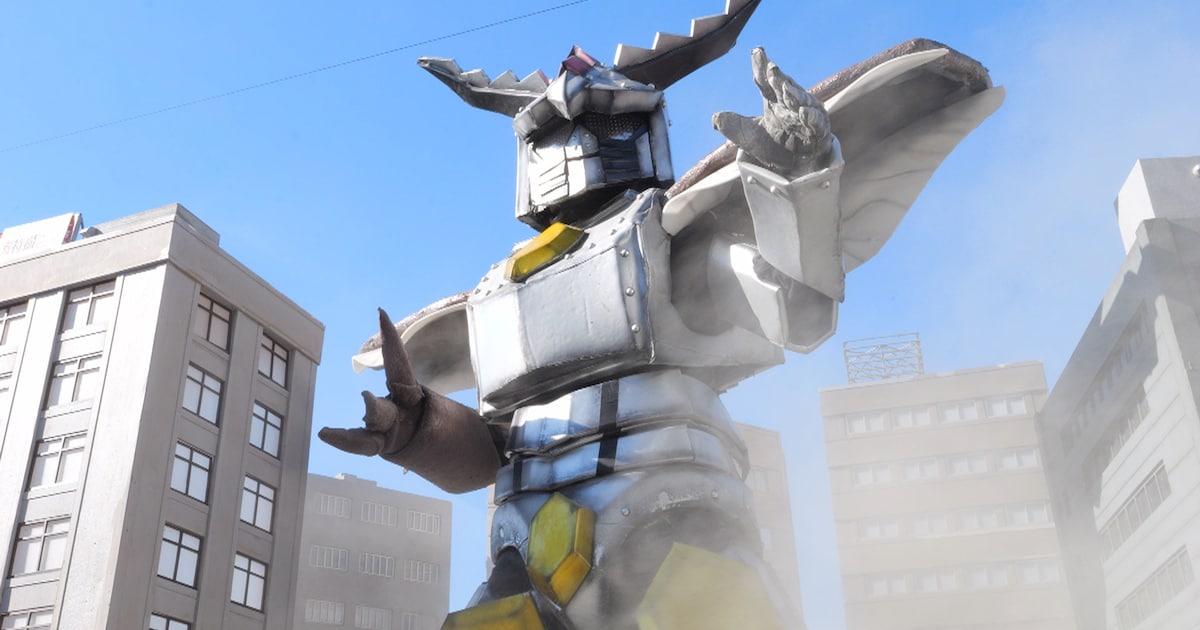
On April 18 at 8:00 PM, NHK E-Tele will air a special episode of 「沼にハマってきいてみた」 (Numa ni Hamatte Kiite Mita) titled 「特撮沼」 (tokusatsu numa), shining a spotlight on the world of Japanese special effects. Voice actor Miyano Mamoru—known as the voice of Ultraman Zero—will make a ゲスト出演 (gesuto shutsuen, guest appearance).
For fans of heroes, monsters, and miniature cities, this is a celebration of everything that makes Japan’s 特撮 (tokusatsu) culture so unique.
A Deep Dive into the “Tokusatsu Swamp”
The word 沼 (numa) literally means “swamp,” but in modern Japanese slang, it describes being deeply obsessed with something—so much so that you feel like you’ve sunk into it. The episode is described as 「特撮沼」と題した回 (tokusatsu numa to daishita kai), meaning “an episode titled ‘The Tokusatsu Swamp.’”
The program will feature:
- A middle school creator who makes original monster movies by 駆使する (kushi suru, making full use of) clay and 3D printers
- A powerful new stop-motion (コマ撮り) film created by this young filmmaker
- Close coverage of the “Sukagawa Tokusatsu School” in Fukushima Prefecture
This kind of behind-the-scenes look is described in Japanese media as 密着 (micchaku), meaning close coverage or following someone closely with a camera.
The Legacy of Eiji Tsuburaya
The show also visits Sukagawa City in Fukushima, the hometown of director 円谷英二 (Tsuburaya Eiji), the visionary who brought series like 「ウルトラマン」 (Ultraman) to life.
Tsuburaya is one of the most important figures in Japanese film history. He helped shape the style of tokusatsu—live-action productions filled with practical special effects, giant heroes, and detailed miniature sets. Unlike Hollywood’s heavy reliance on CGI, traditional tokusatsu often features actors in suits, handcrafted models, and carefully filmed explosions.
At the Sukagawa Tokusatsu School, young creators can learn these classic techniques, keeping the tradition alive for a new generation.
Learning Special Effects at Home
The episode also includes film director 田口清隆 (Taguchi Kiyotaka), who has 「ウルトラマン」シリーズなどを手がけた (Urutoraman shirīzu nado o tegaketa)—meaning he has worked on the Ultraman series and other productions.
During the program, Taguchi shares home-based special effects techniques, 伝授する (denju suru, passing on skills or secrets). Viewers will also hear Miyano Mamoru talk about his experiences with tokusatsu and at アフレコ (afureko) recording sessions—the Japanese term for post-recording or dubbing voices after filming.
The reporter for the episode is comedian Shinomiya Akira, known for being a huge tokusatsu fan. Other cast members include:
- Narration: Hanamori Yumiri
- Host: Jumbo Takao (Rainbow)
- Appearances: Saaya (Lalande) and Taguchi Kiyotaka
- Voice: Ito Kento
Cultural Context: Why Tokusatsu Matters
特撮 (tokusatsu) is short for 特殊撮影 (tokushu satsuei), meaning “special filming.” It refers to live-action productions that rely heavily on practical special effects.
Series like 「ウルトラマン」, 「仮面ライダー」 (Kamen Rider), and classic monster films shaped childhood for generations of Japanese viewers. These shows often blend action with moral lessons, teamwork, and perseverance—values deeply embedded in Japanese storytelling.
By focusing on young creators and regional workshops, this episode highlights how tokusatsu isn’t just nostalgia—it’s a living, evolving art form.
Learn Japanese from This Article
Let’s break down some of the key vocabulary and grammar used in this news story.
Key Vocabulary
| Japanese | Romaji | Meaning |
|---|---|---|
| 特撮 | tokusatsu | live-action special effects (heroes, monsters) |
| 沼 | numa | swamp; deep obsession (slang) |
| ゲスト出演 | gesuto shutsuen | guest appearance |
| 駆使する | kushi suru | to make full use of |
| 密着 | micchaku | close coverage; following closely |
| 伝授する | denju suru | to pass on skills |
| アフレコ | afureko | post-recording; dubbing |
| 手がける | tegakeru | to work on; to produce |
Notice how many entertainment-related words are written in katakana, such as ゲスト and アフレコ. These are perfect examples of how Japanese adapts foreign words.
Grammar Spotlight
1️⃣ 〜と題した
Pattern: Noun + と題した + 名詞
Meaning: “titled ~” or “under the title ~” Often used in news headlines.
Example from the article:
- 「特撮沼」と題した回 tokusatsu numa to daishita kai “An episode titled ‘Tokusatsu Swamp’”
Another example:
- 「春の特集」と題した番組 haru no tokushū to daishita bangumi “A program titled ‘Spring Special’”
2️⃣ 〜を手がけた
Pattern: Noun + を手がけた
Meaning: “worked on,” “handled,” or “produced” (creative projects).
Example:
- 「ウルトラマン」シリーズなどを手がけた田口清隆 Urutoraman shirīzu nado o tegaketa Taguchi Kiyotaka “Taguchi Kiyotaka, who worked on the Ultraman series”
You’ll often see this expression in entertainment news when describing directors, producers, or designers.
Useful Expression
〜にハマる
Although not listed separately in the article, the title includes ハマって, from ハマる (hamaru), meaning “to get hooked on.”
特撮にハマる tokusatsu ni hamaru “To get hooked on tokusatsu”
アニメにハマっています。 anime ni hamatte imasu. “I’m really into anime.”
This is everyday Japanese you’ll hear constantly.
Continue Learning
To better understand entertainment vocabulary and katakana words like ゲスト and アフレコ, check out:
- Katakana Essentials: Adapting Global Words to Japanese
- Basic Vocabulary Building: Embracing Words Without Latin Ties
- Introduction to Kanji: Pictorial Foundations of Japanese Script
Japanese entertainment news is full of rich vocabulary, creative grammar patterns, and cultural history. By reading stories like this, you're not just learning words—you’re stepping into the same media world Japanese audiences experience every day.
これからもよろしくお願いします。 Kore kara mo yoroshiku onegaishimasu.