
If you've started learning Japanese, you've probably run into its three writing systems: hiragana, katakana, and kanji. Hiragana curves softly for native words, kanji layers on deep meanings, but katakana cuts sharp with its angles, standing ready for something special. So why does Japanese have katakana at all? Today, we'll explore its essentials the way native speakers do—focusing on how it really works in everyday Japanese, not through Western textbooks that brush it off as just another alphabet.
Imagine the Nara period, from 710 to 794 AD, when Buddhist monks grappled with Chinese texts. They needed a way to note pronunciations, so they stripped down kanji into phonetic symbols—that's how katakana was born, a practical tool for cultural exchange. Now, in modern times, it's your gateway to loanwords, sound effects, and more. By the end of this lesson, you'll be reading, writing, and seeing how katakana smoothly folds global words into Japanese.
The Origins of Katakana: From Monks to Modern Use
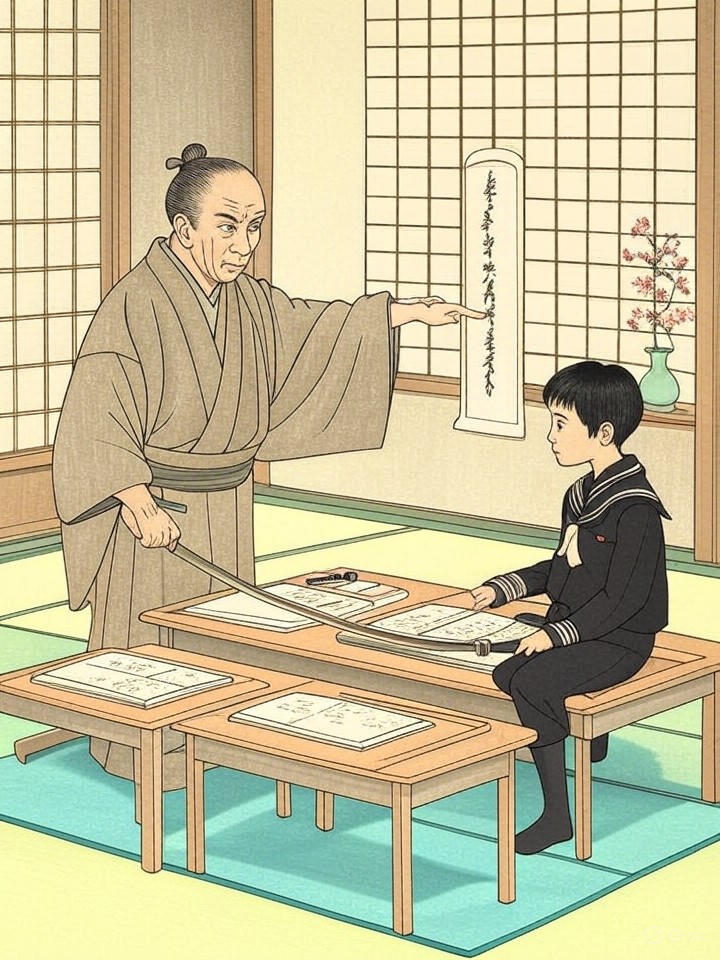
Katakana emerged in the 9th century, crafted by Buddhist monks annotating Chinese scriptures. Unlike hiragana, which women used for poetry, katakana's straight lines suited quick scholarly notes, derived from 万葉仮名 (man'yōgana)—kanji used phonetically, even touched by Sanskrit via Buddhism.
This backstory shows katakana's true role: capturing non-native sounds. Many Western resources treat it like hiragana's twin, just another set of letters, but that's off base. Japanese kids learn it for foreign words and emphasis, not as an English stand-in. If apps have you memorizing without context, switch up—embrace its adaptive power.
In bustling Nara, Japan's early capital, imports flooded in, and monks used katakana for Chinese transliterations. Today, it thrives in manga sounds and borrowed terms. This evolution turns katakana into a cultural bridge, empowering you to connect with Japanese on its own terms.
Reading and Writing Katakana: The Basics
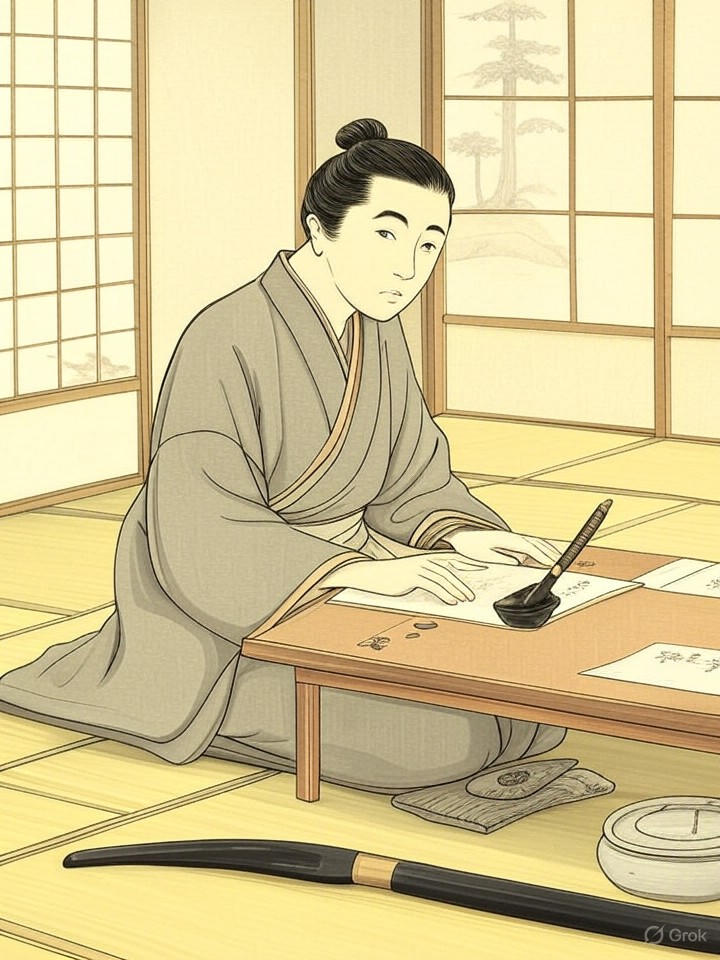
Time to dive in. Katakana mirrors hiragana's 46 sounds but with bolder, angular forms. Practice the strokes—its lines are crisp, echoing hasty annotations. For instance, ア (a) angles like a pointed "A," and イ (i) stands with a vertical hook.
Reading means grasping phonetic approximations, since Japanese tweaks foreign sounds to fit. The English "ice cream" turns to アイスクリーム (aisukurīmu), stretching "cream" with extra vowels. Trace and write: カ (ka) boxes with a line, キ (ki) adds a dash.
Skip the Western habit of forcing Roman letter matches, which muddles pronunciation. Listen to natives—the "r" in ラ (ra) flaps softly, not like English's roll. Copy basics like コーヒー (kōhī, coffee). Soon, you'll read and write with confidence.
Basic Katakana Chart
Use this table for the a-line basics. Practice reading and writing each one.
| Katakana | Romaji | Stroke Order Hint | Example Word |
|---|---|---|---|
| ア | a | Two slanted lines meeting | アメリカ (amerika) — America |
| イ | i | Vertical line with hook | インターネット (intānetto) — internet |
| ウ | u | Curved top, straight down | ウイスキー (uisukī) — whiskey |
| エ | e | Box with internal line | エレベーター (erebētā) — elevator |
| オ | o | Three strokes, open top | オレンジ (orenji) — orange |
Notebook time—copy them repeatedly. Memorize by heart, and you'll spot katakana everywhere.
Katakana in Action: Loanwords and Sound Effects
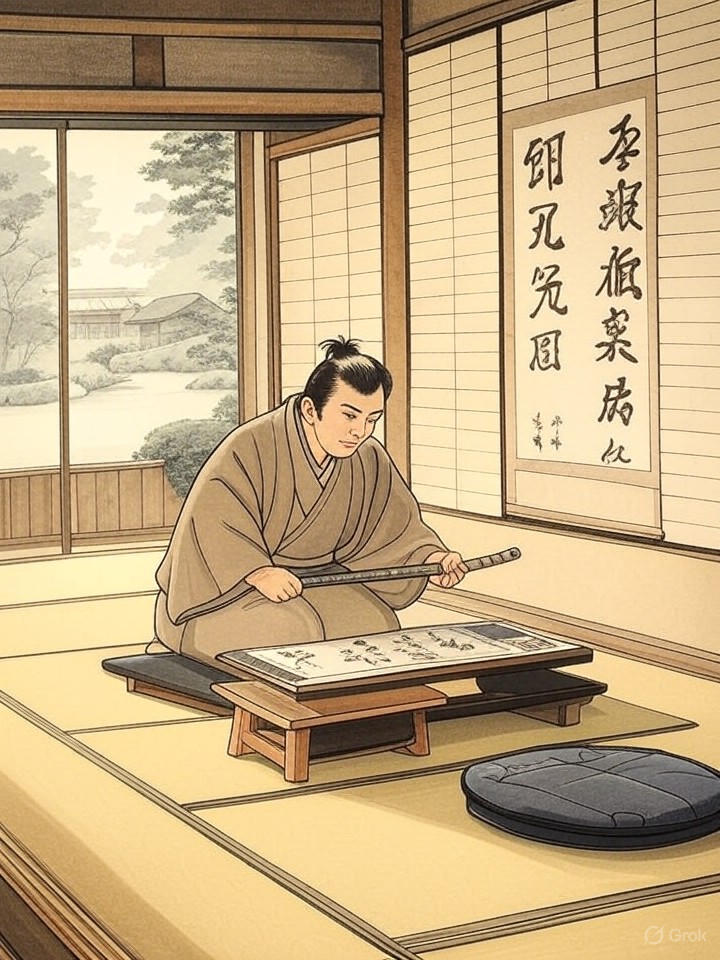
Katakana excels with 外来語 (gairaigo)—borrowed words. Since the Meiji era (1868-1912), English floods in, but katakana reshapes them to Japanese rhythms, trimming or adjusting for flow.
"Hamburger" becomes ハンバーガー (hanbāgā), slotting in perfectly without original roots. This keeps imports distinct, flagging them as foreign. Western teaching might call them easy English hacks, but that's shallow—meanings shift, like マンション (manshon) for condo, not mansion.
Katakana also captures onomatopoeia, like ドキドキ (dokidoki) for heartbeats or ガチャ (gacha) for clicks. Anime overflows with these, adding expression hiragana can't match. Spot them in media, and you'll dive deeper into Japanese flair.
Examples of Loanwords
See these adaptations up close:
| Original Word | Katakana | Romaji | Notes |
|---|---|---|---|
| Computer | コンピューター | konpyūtā | Vowels extended for smooth flow |
| Pizza | ピザ | piza | Shortened, no heavy "zz" |
| Hotel | ホテル | hoteru | "Ho" tweaked, ends with "ru" |
| Smartphone | スマートフォン | sumātofon | Blended compound |
| Virus | ウイルス | uirusu | Extra "u" for syllable fit |
Notice the clever molding? It's Japanese ingenuity at work.
Comparing Adaptations: No Shared Etymologies Needed
Japanese borrows freely, ignoring original etymologies. Isolated for ages, it developed uniquely, making katakana essential for imports. Chinese words get kanji, but Western ones stay phonetic in katakana—like コンピューター (konpyūtā), no kanji needed.
English absorbs like "karaoke" with little change, but Japanese transforms: "stress" to ストレス (sutoresu), gaining cultural twists in work talk. Some say katakana warps English learning, but for you, it's a strength—engage globals on Japanese ground.
This highlights katakana's edge: adaptation without full merge. Western books list loanwords as shortcuts, but real skill comes from tracking evolutions. Hunt them in Japanese content, and savor the blend.
Conclusion
You've grasped katakana's core: monk origins, reading and writing basics, loanword roles, sounds, and unique adaptations. Ditch Western mappings to English; embrace it as Japanese's dynamic tool. Practice steadily, and it'll unlock authentic content.
In future lessons, we'll expand to more scripts and grammar.
Until next time,
これからもよろしくお願いします。
Kore kara mo yoroshiku onegaishimasu