
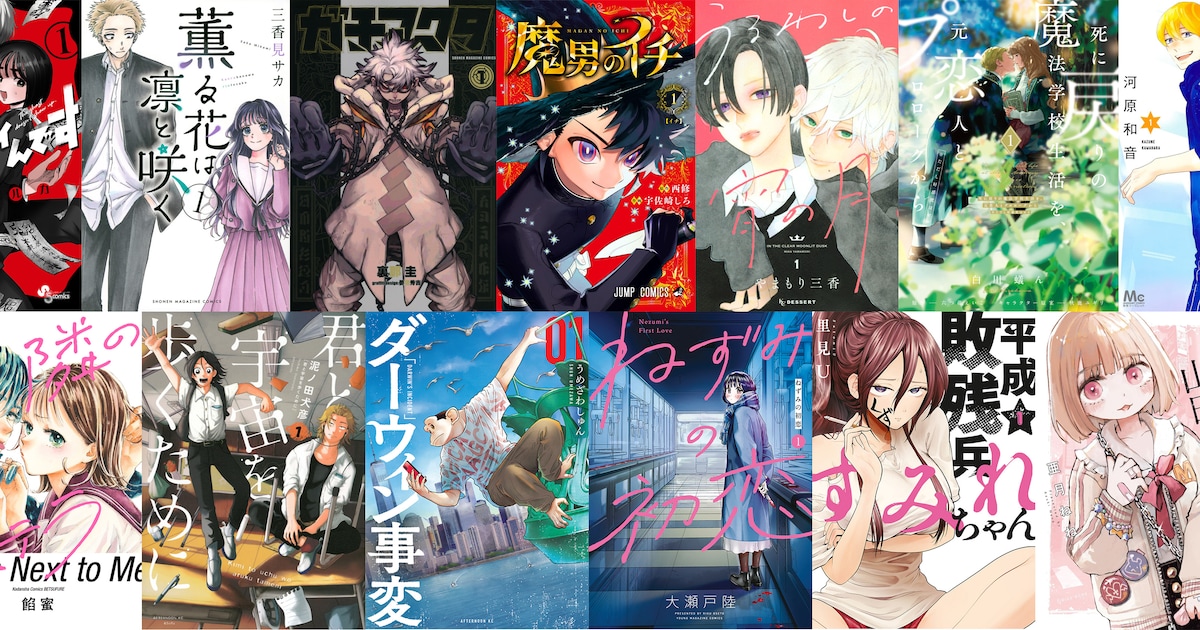
On April 6, 2026, the finalists for the 50th Kodansha Manga Awards were officially announced. A total of 13 works were selected across three categories, marking a major milestone for one of Japan’s most respected manga prizes.
Let’s take a closer look at what was 発表された (happyou sareta, announced) — and learn some authentic Japanese along the way.
13 Finalists Announced for the 50th Kodansha Manga Awards
The Kodansha Manga Awards (講談社漫画賞) are hosted annually by the major Japanese publisher Kodansha. This year marks the 50th edition — a significant anniversary.
The 13 最終候補 (saishuu kouho, final nominees) were divided into three 部門 (bumon, categories):
- 少年部門 (Shōnen category)
- 少女部門 (Shōjo category)
- 総合部門 (General category)
In Japanese news style, the announcement was reported as:
最終候補作13作品が発表された。 Saishuu kouhosaku juu-san sakuhin ga happyou sareta. “Thirteen finalist works were announced.”
Notice the passive form — we’ll come back to that in the grammar section.
少年部門 (Shōnen Category) Finalists
The following four works were 選出された (senshutsu sareta, selected):
- 「写らナイんです」 by コノシマルカ (Shogakukan)
- 「薫る花は凛と咲く」 by 三香見サカ (Kodansha)
- 「ガチアクタ」 by 裏那圭 (graffiti design by 晏童秀吉) (Kodansha)
- 「魔男のイチ」 原作:西修、作画:宇佐崎しろ (Shueisha)
Here you can see a common manga credit pattern:
原作:西修 作画:宇佐崎しろ Gensaku: Nishi Osamu, Sakuga: Usazaki Shiro
- 原作 (gensaku) refers to the original author or creator of the story.
- 作画 (sakuga) refers to the artist responsible for drawing the manga.
When reporting this in Japanese, you’ll often see:
西修原作による宇佐崎しろ「魔男のイチ」 Nishi Osamu gensaku ni yoru Usazaki Shiro “Madan no Ichi” “Madan no Ichi by Usazaki Shiro, based on the original work by Nishi Osamu.”
We’ll break down that grammar soon.
少女部門 (Shōjo Category) Finalists
The four nominees in the shōjo division are:
- 「うるわしの宵の月」 by やまもり三香 (Kodansha)
- 「死に戻りの魔法学校生活を、元恋人とプロローグから(※ただし好感度はゼロ)」 漫画:白川蟻ん、原作:六つ花えいこ、キャラクター原案:秋鹿ユギリ (KADOKAWA)
- 「太陽よりも眩しい星」 by 河原和音 (Shueisha)
- 「隣のステラ」 by 餡蜜 (Kodansha)
Notice how detailed credits can be in Japanese publishing. For example:
- 漫画 (manga) — the comic adaptation artist
- 原作 (gensaku) — original story
- キャラクター原案 — original character design concept
Japanese publishing culture places strong emphasis on clearly crediting each creative role.
総合部門 (General Category) Finalists
The five finalists in the general category are:
- 「君と宇宙を歩くために」 by 泥ノ田犬彦 (Kodansha)
- 「ダーウィン事変」 by うめざわしゅん (Kodansha)
- 「ねずみの初恋」 by 大瀬戸陸 (Kodansha)
- 「平成敗残兵すみれちゃん」 by 里見U (Kodansha)
- 「みいちゃんと山田さん」 by 亜月ねね (Kodansha)
The award-winning works — 受賞作 (jushousaku) — will be announced on May 11.
Last year’s (49th) winners included:
- 少年部門: 「バーサス」
- 少女部門: 「恋せよまやかし天使ども」
- 総合部門: 「ヒストリエ」
Cultural Context: Why the Kodansha Manga Awards Matter
In Japan, manga awards are a major part of the publishing ecosystem. Unlike international prizes that may focus on literary prestige, manga awards directly influence:
- Sales boosts
- Anime adaptation opportunities
- An author’s long-term career
The Kodansha Manga Awards are especially significant because Kodansha is one of Japan’s largest publishers. Being named a 最終候補 (saishuu kouho) alone is a mark of industry recognition.
You’ll often see news written in a very formal, passive tone. This reflects Japanese journalistic style — focusing on the event itself rather than the announcer.
Learn Japanese from This Article
Let’s turn this news into practical language study.
Key Vocabulary
| Japanese | Romaji | Meaning |
|---|---|---|
| 最終候補 | saishuu kouho | final nominee / finalist |
| 発表 | happyou | announcement |
| 受賞作 | jushousaku | award-winning work |
| 部門 | bumon | category / division |
| 原作 | gensaku | original work / original author |
| 作画 | sakuga | manga artwork / illustrator |
| 選出 | senshutsu | selection |
These are extremely common words in Japanese news. You’ll see them not just in manga articles, but in reporting about films, novels, music awards, and even politics.
Grammar Spotlight 1: 〜が発表された / 〜が選出された
Pattern: > Noun + が + Passive Verb
Example:
最終候補作が発表された。 Saishuu kouhosaku ga happyou sareta. “The finalist works were announced.”
13作品が選出された。 Juu-san sakuhin ga senshutsu sareta. “Thirteen works were selected.”
Why passive?
Japanese news often uses the passive form to create an objective tone. Instead of saying “Kodansha announced…,” it focuses on the result: “It was announced.”
This structure is extremely common in headlines.
Grammar Spotlight 2: AによるB
Pattern: > A による B > “B by A” / “B created by A”
Example:
- 西修原作による宇佐崎しろ「魔男のイチ」 “Madan no Ichi by Usazaki Shiro, based on the original work by Nishi Osamu.”
Another example:
- ONE原作による作品 “A work based on an original story by ONE.”
This structure is formal and often used in publishing, academic writing, and journalism.
Useful Expression
高画質で見る Kougashitsu de miru “View in high resolution”
You’ll often see this phrase next to images on Japanese news sites.
Continue Learning
Want to strengthen your reading skills so articles like this feel easier?
Working on your reading skills? Our Introduction to Kanji: Pictorial Foundations of Japanese Script lesson is a great next step.
Curious about the Japanese used here? Our Basic Vocabulary Building: Embracing Words Without Latin Ties lesson covers this in depth.
Noticing katakana titles like ダーウィン (Daarwin, Darwin)? Our Katakana Essentials: Adapting Global Words to Japanese lesson will help you decode them naturally.
The more you read real Japanese news, the more patterns like 〜が発表された will start to feel natural.
これからもよろしくお願いします。 Kore kara mo yoroshiku onegaishimasu.