
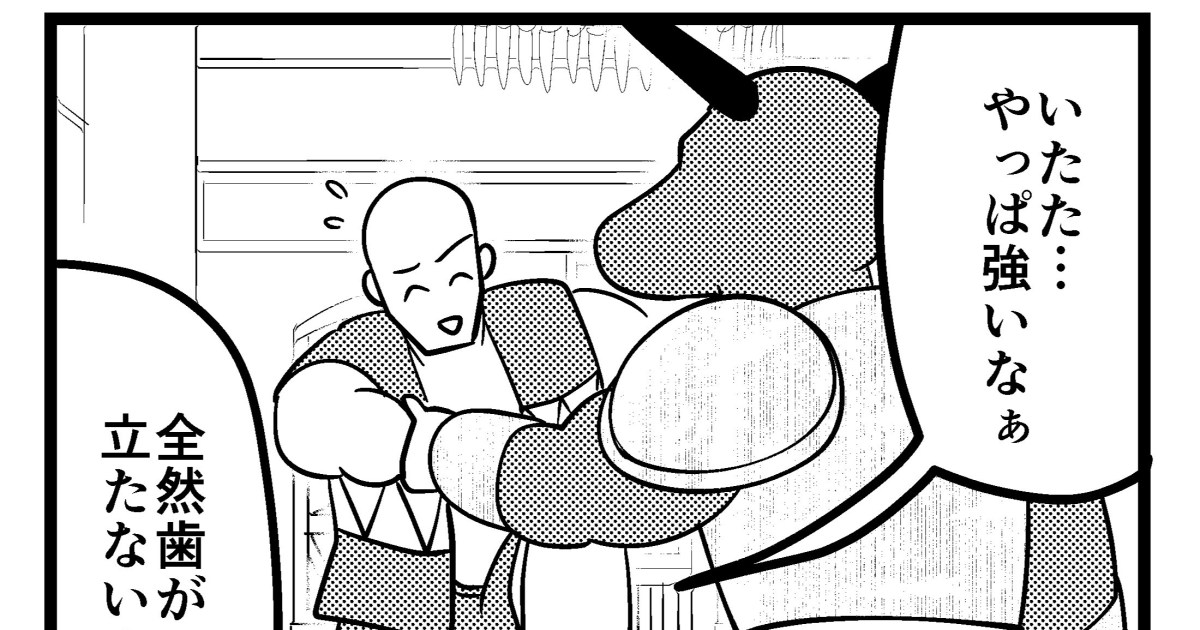
【4コマ】魔王軍はホワイト企業 2063話目「ヤマダの選択⑬」 was published on July 27, 2026, on Rocket News. The credit line is simple: 漫画:スガラジカル (manga: Sugarajikaru) — Manga by Sugarajikaru.
This long-running series continues with episode 2063, titled “Yamada’s Choice (13).” Even from just these short lines, there’s a lot of natural Japanese you can learn — especially the kind of phrases you’ll see again and again on Japanese websites.
What We Know from the Article
Here’s what appears in the original text:
- 漫画:スガラジカル
- « 前の話へ
- 第1回から読む
- ▼キャラ一覧はこちら
Let’s break this down in a way that helps you read Japanese media more confidently.
A Long-Running 4-Panel Manga
The title begins with 【4コマ】 (yonkoma), meaning “4-panel.”
In Japan, a 4コマ漫画 (yonkoma manga) is a short comic strip made up of four panels, usually arranged vertically. This format is extremely popular in newspapers, websites, and magazines. The structure is typically:
- Introduction
- Development
- Twist
- Punchline
The series title is 魔王軍はホワイト企業 (Maō-gun wa howaito kigyō), which literally means “The Demon King’s Army Is a White Company.”
In Japanese business culture, a ホワイト企業 (howaito kigyō) is a “white company” — meaning a company that treats its employees well (good work-life balance, fair treatment). It’s the opposite of a ブラック企業 (burakku kigyō), a “black company” known for exploitative labor practices.
Even without the full story text, the title alone sets up a humorous contrast: the Demon King’s Army — but run like an ideal workplace.
Navigation Phrases You’ll See Everywhere
The rest of the content includes common website navigation phrases. These are incredibly useful for real-world reading.
« 前の話へ
前 (mae) means “before” or “previous.” 話 (hanashi) means “story” or “episode.”
So 前の話へ (mae no hanashi e) means:
“To the previous episode”
The particle へ (e) indicates direction — “toward.”
第1回から読む
This phrase is packed with useful grammar.
- 第〜回 (dai~kai) = episode number / occurrence number
- 第1回 (dai ikkai) = Episode 1
- から (kara) = from
- 読む (yomu) = to read
So:
第1回から読む (dai ikkai kara yomu) “Read from Episode 1”
Grammar Spotlight: 〜から (kara)
から means “from” or “starting from.”
Structure:
- Noun + から
- Time/point + から
Examples:
月曜日から働きます。 Getsuyōbi kara hatarakimasu. I will work starting from Monday.
第1回から読みます。 Dai ikkai kara yomimasu. I’ll read from Episode 1.
You’ll see から constantly in daily Japanese.
▼キャラ一覧はこちら
Let’s break this one apart:
- キャラ (kyara) = character (casual form of キャラクター)
- 一覧 (ichiran) = list; overview
- こちら (kochira) = this way; here (polite)
So:
キャラ一覧はこちら (kyara ichiran wa kochira) “The character list is here.”
Grammar Spotlight: Nはこちら
This is a very common polite 안내 expression online and in stores.
Structure:
- N + は + こちら
It means: “N is here (this way).”
Examples:
メニューはこちらです。 Menyū wa kochira desu. The menu is here.
出口はこちらです。 Deguchi wa kochira desu. The exit is this way.
On Japanese websites, this structure guides readers politely.
Cultural Context: Why Episode Numbers Matter
The phrase 第2063話目 tells us this is the 2063rd episode.
That’s not unusual in Japan.
Many manga series — especially online gag manga and 4-panel comics — run for years with numbered installments. Readers often jump in mid-series, which is why you frequently see:
- 前の話へ (Go to the previous episode)
- 第1回から読む (Read from Episode 1)
- 一覧はこちら (The list is here)
Japanese sites are designed to help readers navigate long-running content easily.
Learn Japanese from This Article
Here’s the key vocabulary used in the original text:
| Japanese | Romaji | Meaning |
|---|---|---|
| 漫画 | manga | comic; manga |
| 前 | mae | before; previous |
| 話 | hanashi | story; episode; talk |
| 第〜回 | dai~kai | episode number; occurrence number |
| 読む | yomu | to read |
| 一覧 | ichiran | list; overview |
| こちら | kochira | this way; here (polite) |
| から | kara | from; starting from |
Useful Expressions You Can Start Using
第3回から読みます。 Dai sankai kara yomimasu. I’ll read from Episode 3.
一覧はこちらです。 Ichiran wa kochira desu. The list is here.
前の話を読みました。 Mae no hanashi o yomimashita. I read the previous episode.
Notice the polite verb ending 〜ます in 読みます (yomimasu). This is the standard polite form used in everyday Japanese.
Continue Learning
📚 Want to understand the verb forms used here? Check out Masu Form: Mastering Polite Everyday Speech.
📚 Ready to dive deeper? Our lesson on Greetings and Self-Introductions: Authentic Entry Phrases will help you master these concepts.
📚 Ready to dive deeper? Our lesson on Basic Vocabulary Building: Embracing Words Without Latin Ties will help you master these concepts.
Basic Vocabulary Building: Embracing Words Without Latin Ties
これからもよろしくお願いします。 Kore kara mo yoroshiku onegaishimasu.