
On July 12, 2026, a financial advice article asked a question many families quietly think about: if your cousin’s husband is a police officer and she has been a full-time housewife since marriage, does that mean police officers earn that much more?
Let’s take a closer look at police work in Japan — and what the numbers actually say.
What Kind of Work Do Police Officers Do?
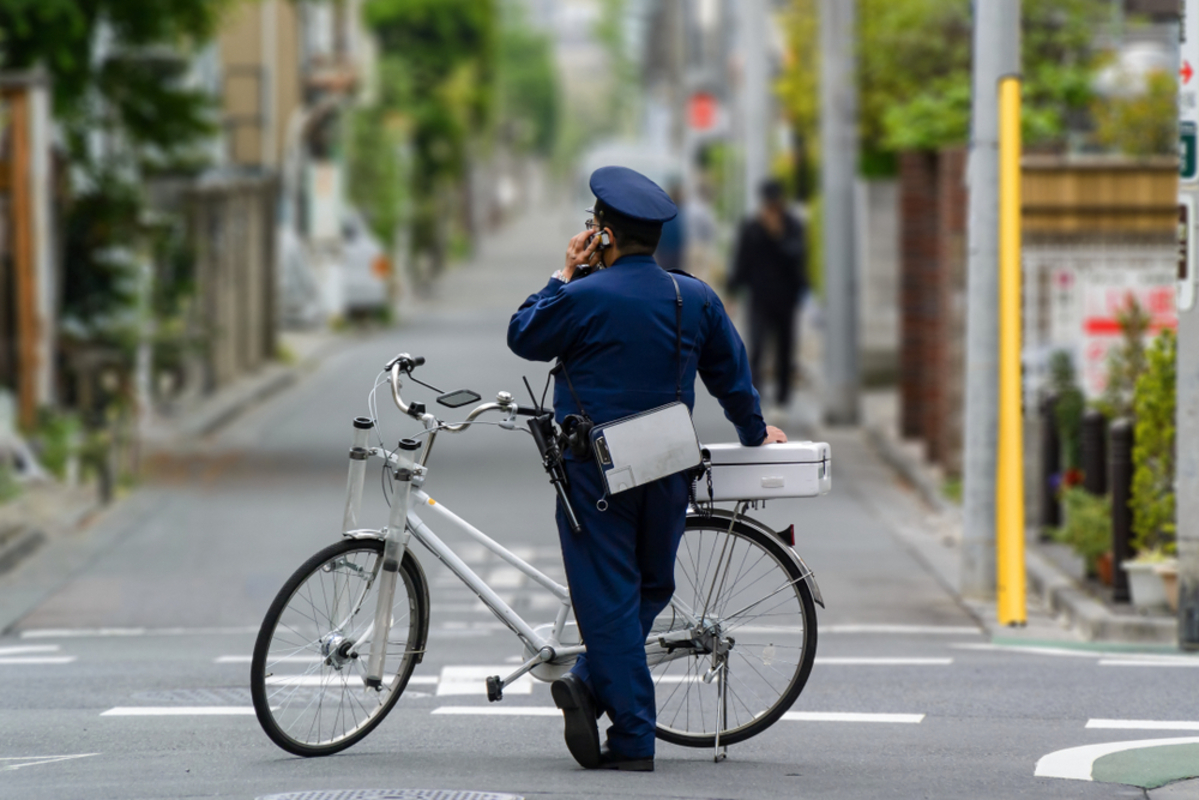
When you hear “police officer,” you might picture a neighborhood officer standing at a small police box, or 交番 (kōban). In Japan, these community officers are often called お巡りさん (omawarisan), a friendly, everyday term.
But police work includes much more than that. According to the article, there are several divisions:
- 生活安全警察 (seikatsu anzen keisatsu) – community safety police
- 刑事警察 (keiji keisatsu) – criminal investigation
- 交通警察 (kōtsū keisatsu) – traffic police
- 警備警察 (keibi keisatsu) – security police
- 公安警察 (kōan keisatsu) – public security police
Police officers handle everything from everyday crimes to major criminal cases. They also take part in disaster rescue operations. Behind the scenes, some officers work in human resources or accounting to support those in the field.
A Unique Work Schedule
Neighborhood officers typically follow a four-shift rotation:
日勤 → 夜勤 → 非番 → 週休 (nikkin → yakin → hiban → shūkyū) Day shift → Night shift → Off-duty day → Regular day off
After a 夜勤 (yakin, night shift), work may end before noon, and the following day is usually a rest day. Officers may also have consecutive days off during the month, and summer vacation can be as long as 12 days.
This kind of schedule is very different from a typical 9-to-5 company job.
Are Police Officers’ Salaries High?
Police officers in Japan are local public servants. Their average monthly salary is about 480,000 yen.
However, pay differs depending on location. One key factor is the 地域手当 (chiiki teate), or regional allowance. Urban areas receive higher allowances, and in Tokyo’s 23 wards, this allowance can reach up to 20% of base salary.
Veteran officers or those in management positions may earn an annual income of 8 to 9 million yen, and some can exceed 10 million yen depending on rank.
とは言え (to wa ie), “having said that,” police work is closely 隣り合わせ (tonari-awase) with danger. Officers must deal with serious crimes, emergencies, and various troubles. Considering the risks and responsibilities involved in protecting the community, the income may be seen as appropriate compensation.
How Much Is the Bonus?
Police officers receive 賞与 (shōyo, formal term for bonus) twice a year.
The amount varies by region and age, but it generally totals around 1.5 to 2 million yen annually. In Tokyo, the average bonus is about 2.1 million yen, and the average annual income reaches 8.6 million yen.
With a bonus of 2.1 million yen and an annual income of 8.6 million yen, a household with children in Tokyo may not struggle financially.
However, because working hours are irregular, cooperation from a spouse is often necessary.
Are Many Police Officers’ Wives Full-Time Homemakers?
The article does not provide specific statistics. However, it suggests that because police schedules are irregular and may involve sudden call-ins during major incidents or disasters, families often need flexibility.
Officers may also experience 異動 (idō, job transfers) that require relocation. For these reasons, it can be difficult to maintain a 共働き (tomo-bataraki, dual-income household), especially when children are young.
As a result, it is not uncommon for a spouse to be a 専業主婦 (sengyō shufu, full-time housewife).
That said, every family situation is different. Some households manage dual incomes because grandparents live nearby or because they live together with parents.
The article ends with an important reminder: while someone might think, “It must be nice to be a full-time housewife,” in reality there may be cases where working outside the home is difficult even if someone wants to.
Cultural Context: Stability and Public Service in Japan
In Japan, public servant jobs (公務員, kōmuin) are often associated with stability. Regular salary increases, structured bonuses, and predictable benefits make these careers attractive.
At the same time, there is strong social awareness that police work involves risk and public responsibility. The idea that the job is 危険と隣り合わせ (kiken to tonari-awase, side by side with danger) shapes how people view police salaries.
Family structure is also important in Japanese society. Because work schedules may prioritize duty over personal time, the spouse often plays a key role in maintaining household stability — especially in jobs like policing.
Learn Japanese from This Article
Key Vocabulary
| Japanese | Romaji | Meaning |
|---|---|---|
| 共働き | tomo-bataraki | dual-income household |
| 専業主婦 | sengyō shufu | full-time housewife |
| 異動 | idō | job transfer |
| 夜勤 | yakin | night shift |
| 地域手当 | chiiki teate | regional allowance |
| 賞与 | shōyo | bonus (formal term) |
| 隣り合わせ | tonari-awase | side by side; closely associated with |
Grammar Spotlight
1️⃣ 〜とは言え — “having said that; although it is true that…”
Used to soften or balance a previous statement.
警察官は収入が高いとは言え、危険と隣り合わせの仕事です。 Kēsatsukan wa shūnyū ga takai to wa ie, kiken to tonari-awase no shigoto desu. Although police officers have high incomes, their work is closely connected with danger.
This pattern helps you sound balanced and thoughtful — very common in news writing.
2️⃣ 〜ため(に) — “for the sake of; because of”
Used to show reason or purpose.
勤務が不規則なため、共働きが難しいことがあります。 Kinmu ga fukisoku na tame, tomo-bataraki ga muzukashii koto ga arimasu. Because work hours are irregular, having a dual-income household can be difficult.
You’ll see this structure frequently in explanations and formal writing.
Useful Expressions
危険と隣り合わせ kiken to tonari-awase “Side by side with danger” — often used for risky professions.
急な呼び出し kyū na yobidashi “A sudden call-in” — common in emergency-related jobs.
Continue Learning
Curious about the Japanese used in this article? Strengthen your foundation with:
Working on your reading skills? Build your kanji knowledge here:
To better understand social and professional culture in Japan:
Behind every salary figure is a lifestyle, a work schedule, and a family adjusting to it. Looking at the language used to describe those realities gives you insight not only into Japanese income structures, but also into how responsibility and family roles are viewed in society.
これからもよろしくお願いします。 Kore kara mo yoroshiku onegaishimasu.