
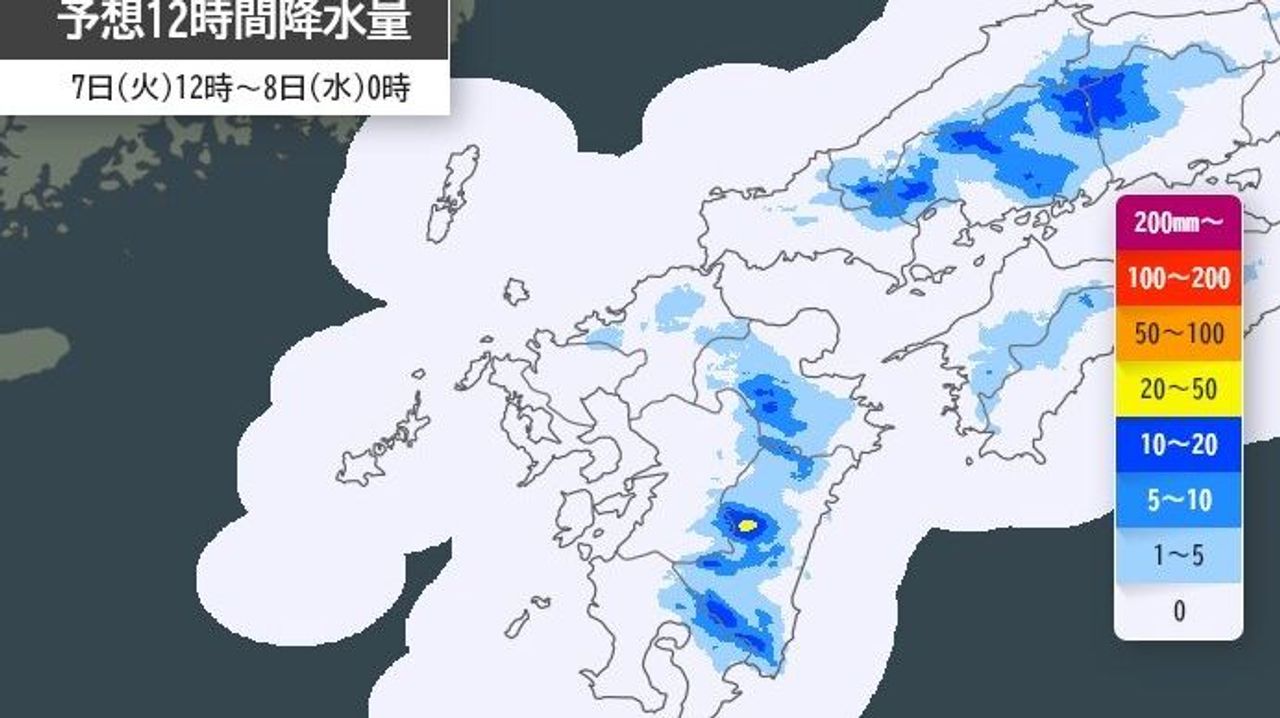
On July 7 (Tuesday), much of 日本列島 (nihon rettō, the Japanese archipelago) is covered in clouds, with rain and even thunderstorms expected in various areas. In western Japan, some places are forecast to experience especially heavy rainfall. At the same time, temperatures remain high, and many regions are facing midsummer-level heat.
Cloudy Skies and Thunderstorms Across Japan
According to the report, today much of the country will see cloudy conditions. In 所々 (tokorodokoro, here and there; in places), the weather will turn into rain or 雷雨 (raiu, thunderstorms).
In western Japan in particular, there are 所もあります (tokoro mo arimasu, places where…) that may experience intense rainfall. The combination of unstable skies and summer heat creates a day that feels both humid and unpredictable—something many people in Japan are familiar with during this season.
High Temperatures and Midsummer Heat
The 最高気温 (saikō kion, highest temperature of the day) is expected to be around or above the seasonal average. Many areas will reach 真夏日 (manatsubi), which means a day when the high temperature reaches 30°C (86°F) or more.
This is an important weather word in Japan. Rather than just saying “hot,” Japanese weather reports often use precise temperature-based terms like 真夏日 to describe the day.
With such heat, officials warn that people need to be careful about 熱中症 (necchūshō, heatstroke). Staying hydrated and avoiding prolonged exposure to the sun are common precautions during this time of year.
Cultural Context: Weather Awareness in Japan
Weather reports play a significant role in daily life in Japan. Because the country stretches from north to south across the long chain of islands known as the 日本列島, conditions can vary greatly by region.
Seasonal rain, sudden downpours, and summer heat are typical in early July. This period often overlaps with the rainy season, when heavy showers and thunderstorms can develop quickly. At the same time, temperatures can climb high enough to create dangerous heat conditions. That’s why you’ll often hear warnings about 熱中症 on television and in public announcements.
Understanding these weather terms helps you follow Japanese news more naturally—just like native speakers do.
Learn Japanese from This Article
Key Vocabulary
| Japanese | Romaji | Meaning |
|---|---|---|
| 日本列島 | nihon rettō | the Japanese archipelago |
| 所々 | tokorodokoro | here and there; in places |
| 雷雨 | raiu | thunderstorm |
| 最高気温 | saikō kion | highest temperature |
| 真夏日 | manatsubi | a day with a high of 30°C or more |
| 熱中症 | necchūshō | heatstroke |
Try reading these words out loud. Weather vocabulary is extremely common in daily conversation in Japan.
Grammar Spotlight 1: 〜となる
Pattern: Noun + となる
This pattern means “to become” or “to turn into,” and it’s often used in formal or written Japanese, such as news reports.
From the article:
- 雨や雷雨となり It turns into rain or thunderstorms.
Additional examples:
明日は晴れとなります。 Ashita wa hare to narimasu. Tomorrow will become sunny.
会議は中止となりました。 Kaigi wa chūshi to narimashita. The meeting has been canceled (lit. became canceled).
Notice how this sounds more formal than the casual 〜になる.
Grammar Spotlight 2: 〜所もあります
Pattern: Verb (plain form) + 所もあります
Meaning: “There are places where…” or “In some areas…”
From the article:
- 激しく降る所もあります。 There are places where it will rain heavily.
More examples:
雪が降る所もあります。 Yuki ga furu tokoro mo arimasu. There are places where it will snow.
風が強い所もあります。 Kaze ga tsuyoi tokoro mo arimasu. In some areas, the wind is strong.
This structure is very common in weather forecasts and news reports.
Useful Expression
- 熱中症に十分注意が必要です。 Necchūshō ni jūbun chūi ga hitsuyō desu. It is necessary to be fully cautious about heatstroke.
You’ll often hear 〜に注意が必要です in formal announcements, meaning “It is necessary to be careful about…”
Continue Learning
- Reading and Writing in Japanese II: Hiragana and Katakana: Want to learn more about general? Check out our lesson on Reading and Writing in Japanese II: Hiragana and Katakana.
- Introduction to Kanji: Pictorial Foundations of Japanese Script: Working on your reading skills? Our Introduction to Kanji: Pictorial Foundations of Japanese Script lesson is a great next step.
- Basic Vocabulary Building: Embracing Words Without Latin Ties: To understand more about general, explore our Basic Vocabulary Building: Embracing Words Without Latin Ties lesson.
By following real weather reports like this, you’re training yourself to read Japanese the way people in Japan actually use it—clear, seasonal, and precise.
これからもよろしくお願いします。 Kore kara mo yoroshiku onegaishimasu.