
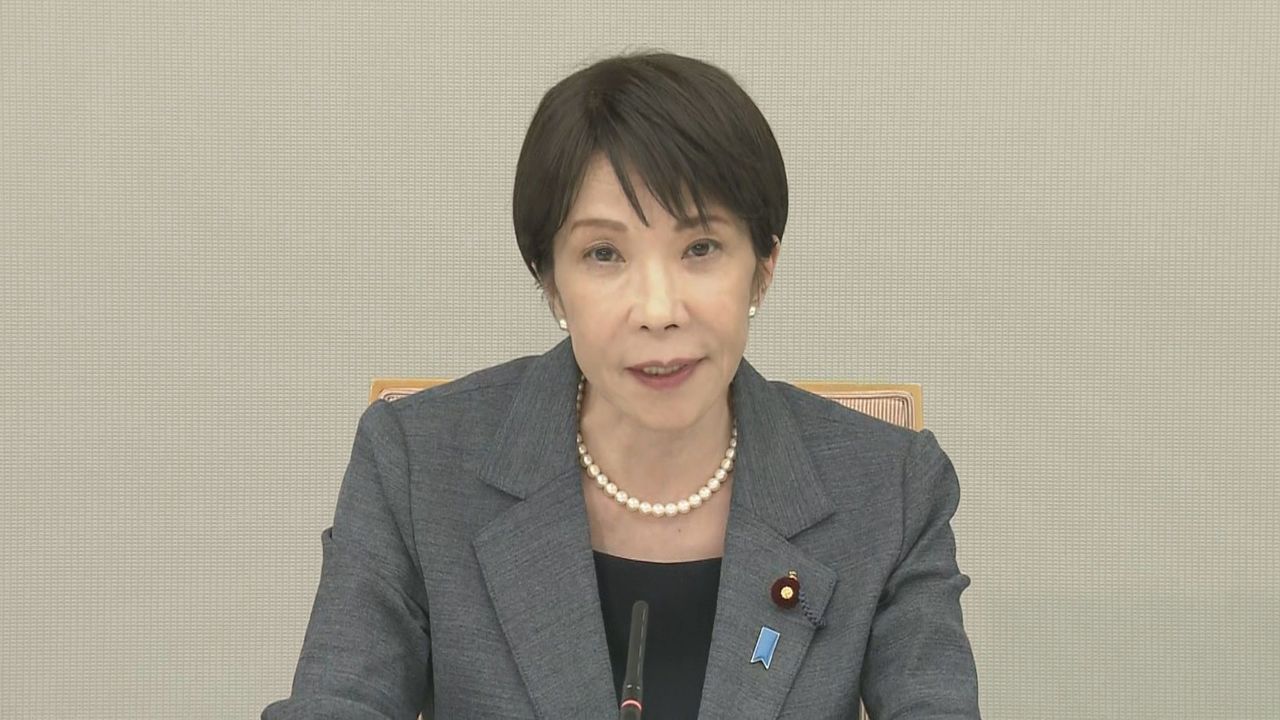
Thirty people have died in the recent Kumamoto earthquake, according to Prime Minister Takaichi.
On July 30, Prime Minister 総理 (sōri) Takaichi announced that the 死者数 (shishasū, number of deaths) from the recent Kumamoto 地震 (jishin, earthquake) has reached 30. This figure includes people whose deaths are still being examined for a possible connection to the 災害 (saigai, disaster).
The Prime Minister clarified that the total includes individuals currently 調査中 (chōsa-chū, under investigation) to determine whether their deaths are 関連 (kanren, related) to the earthquake. In Japanese, the verb のぼる (noboru) is used to express that a number has reached a certain level — in this case, 30.
Understanding the Announcement
The key sentence from the original report reads:
今回の熊本地震での死者数が災害との関連を調査中の人を含めて、30人にのぼったとあきらかにしました。 Konkai no Kumamoto jishin de no shishasū ga saigai to no kanren o chōsa-chū no hito o fukumete, sanjū-nin ni nobotta to akiraka ni shimashita. “(He/She) clarified that the number of deaths from this Kumamoto earthquake has reached 30, including those whose relation to the disaster is under investigation.”
There are two important grammar patterns here that you’ll see often in Japanese news.
Cultural Context: How Japanese News Reports Disasters
Japanese news reports often use careful, precise language when discussing casualties. It is common to separate confirmed disaster-related deaths from those still under investigation. That’s why phrases like 調査中 (under investigation) and 関連 (connection/relationship) appear frequently in coverage of earthquakes and other natural disasters.
Japan experiences frequent seismic activity, so the word 地震 (jishin) is one of the first disaster-related words children learn in school. Official statements from the 総理 (Prime Minister) carry particular weight, especially when confirming casualty figures.
Learn Japanese from This Article
Key Vocabulary
| Japanese | Romaji | Meaning |
|---|---|---|
| 総理 | sōri | Prime Minister |
| 地震 | jishin | earthquake |
| 死者数 | shishasū | number of deaths |
| 災害 | saigai | disaster, calamity |
| 関連 | kanren | relation, connection |
| 調査中 | chōsa-chū | under investigation |
| のぼる | noboru | to reach (a number or amount) |
Notice how many of these are Sino-Japanese compounds (made from kanji). Learning to recognize the individual characters can dramatically improve your reading speed.
Grammar Spotlight
1. 〜を含めて — “including…”
Structure: Noun + を含めて (o fukumete)
Meaning: including; with ~ included
Example from the article:
- 調査中の人を含めて、30人にのぼった。 Chōsa-chū no hito o fukumete, sanjū-nin ni nobotta. “Including those under investigation, the number reached 30.”
More examples:
家族を含めて、5人が参加しました。 Kazoku o fukumete, go-nin ga sanka shimashita. “Including family members, five people participated.”
税金を含めて、1万円です。 Zeikin o fukumete, ichiman-en desu. “Including tax, it’s 10,000 yen.”
2. 〜にのぼる — “to reach / to amount to”
Structure: Number + にのぼる (ni noboru)
Meaning: to reach (a number), to amount to
From the article:
- 死者数は30人にのぼった。 Shishasū wa sanjū-nin ni nobotta. “The death toll reached 30.”
More examples:
被害額は100億円にのぼる。 Higaigaku wa hyaku-oku en ni noboru. “The damage amounts to 10 billion yen.”
応募者は1万人にのぼった。 Ōbosha wa ichiman-nin ni nobotta. “The number of applicants reached 10,000.”
This expression is extremely common in news reporting. Whenever you see a large number in an article, there’s a good chance you’ll see にのぼる.
Useful Expression
- あきらかにしました (akiraka ni shimashita) — “(He/She) clarified” or “(He/She) made it clear”
This is a standard phrase in formal reporting when an official announces or confirms information.
Continue Learning
Curious about the Japanese used here? Our Reading and Writing in Japanese II: Hiragana and Katakana lesson covers this in depth.
Working on your reading skills? Our Introduction to Kanji: Pictorial Foundations of Japanese Script lesson is a great next step.
Ready to dive deeper? Our lesson on Basic Vocabulary Building: Embracing Words Without Latin Ties will help you master these concepts.
これからもよろしくお願いします。 Kore kara mo yoroshiku onegaishimasu.