
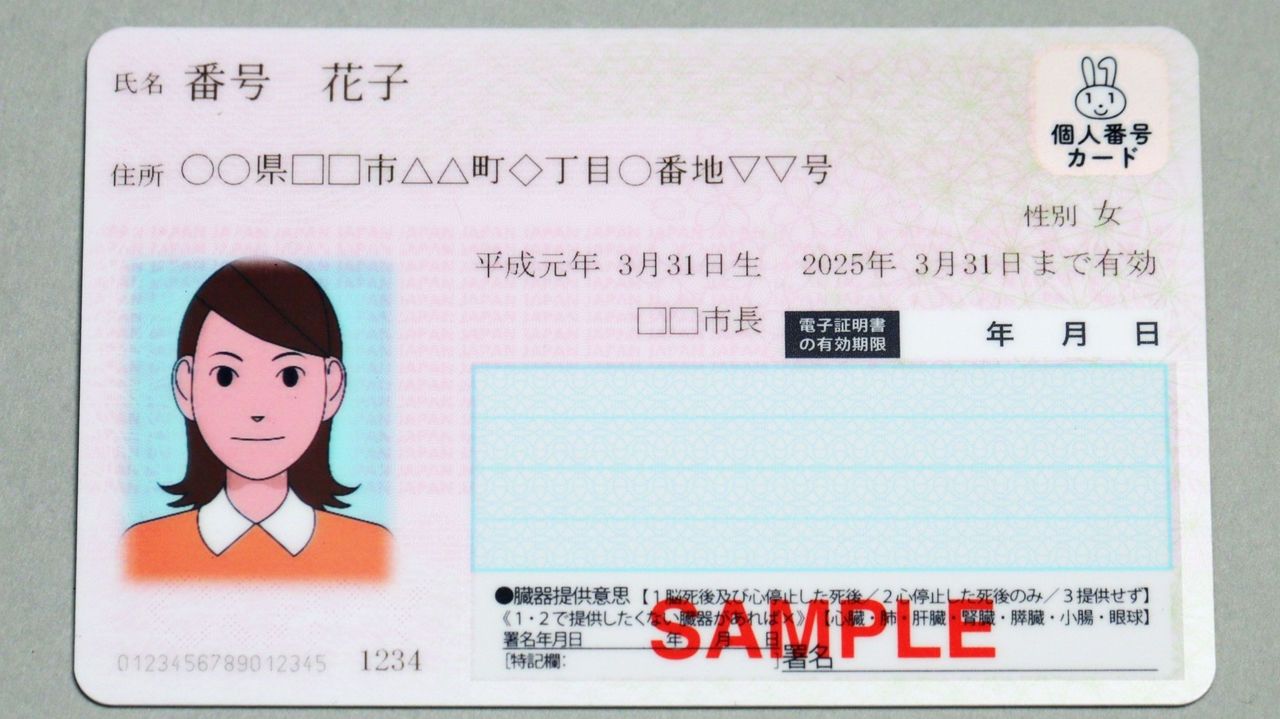
On August 1, Japan completed a 完全移行 (kanzen ikō)—a full transition—to a new system for receiving insured medical treatment. From this date, patients must use either a My Number–integrated insurance card or a newly issued eligibility confirmation document when accessing care.
A New System for Receiving Medical Treatment
When receiving 保険診療 (hoken shinryō)—medical treatment covered by public insurance—patients will now use one of two documents:
- A マイナンバーカード (mainanbā kādo) that has been integrated with health insurance information
- A 資格確認書 (shikaku kakuninsho), which is 発行される (hakkō sareru, issued) to people who do not have the integrated card
This change marks a full shift in the country’s healthcare administrative 仕組み (shikumi, system or mechanism). Patients must present either one or the other when visiting a medical institution.
In Japanese, the article describes this as a move to using:
マイナ保険証か、資格確認書のどちらかを使う仕組みに完全移行する。 Maina hokenshō ka, shikaku kakuninsho no dochira ka o tsukau shikumi ni kanzen ikō suru. “A complete transition to a system that uses either the My Number health insurance card or the eligibility confirmation document.”
The key structure here is 〜か〜のどちらか, meaning “either A or B.”
Cultural Context: Why This Matters
Japan has a national health insurance system that covers most residents. Traditionally, patients presented a separate health insurance card when visiting hospitals or clinics.
The 一体化 (ittaika, integration or unification) of health insurance with the マイナンバーカード reflects a broader administrative effort to consolidate identification and public services into a single card.
For learners of Japanese, this is a good example of how modern administrative vocabulary blends traditional kanji-based words like 資格確認書 with loanwords such as カード (kādo, card).
You’ll frequently encounter these kinds of compound nouns in news articles—especially when reading about government systems and policy changes.
Learn Japanese from This Article
Key Vocabulary
| Japanese | Romaji | Meaning |
|---|---|---|
| 保険診療 | hoken shinryō | medical treatment covered by insurance |
| 一体化 | ittaika | integration, unification |
| マイナンバーカード | mainanbā kādo | My Number (national ID) card |
| 資格確認書 | shikaku kakuninsho | eligibility confirmation document |
| 発行される | hakkō sareru | to be issued |
| 仕組み | shikumi | system, mechanism |
| 完全移行 | kanzen ikō | complete transition |
Notice how many of these are compound kanji words. Breaking them apart can help:
- 資格 (shikaku) = qualification
- 確認 (kakunin) = confirmation
- 書 (sho) = document
Put together, 資格確認書 literally means “qualification confirmation document.”
Grammar Spotlight
1. 〜際(に) — “when,” “on the occasion of” (formal)
From the article:
保険診療を受ける際、 Hoken shinryō o ukeru sai, “When receiving insured medical treatment,”
Structure: Verb (dictionary form) + 際(に)
Examples:
日本へ行く際に、ビザを確認してください。 Nihon e iku sai ni, biza o kakunin shite kudasai. “When going to Japan, please check your visa.”
申請する際、必要な書類を提出します。 Shinsei suru sai, hitsuyō na shorui o teishutsu shimasu. “When applying, you submit the necessary documents.”
This pattern sounds formal and is common in announcements and official writing.
2. 〜か〜のどちらか — “either A or B”
From the article:
マイナ保険証か、資格確認書のどちらか Maina hokenshō ka, shikaku kakuninsho no dochira ka “Either the My Number health insurance card or the eligibility confirmation document”
Structure: A か B のどちらか
Examples:
コーヒーかお茶のどちらかを選んでください。 Kōhī ka ocha no dochira ka o erande kudasai. “Please choose either coffee or tea.”
電車かバスのどちらかで行きます。 Densha ka basu no dochira ka de ikimasu. “I’ll go either by train or by bus.”
You’ll see this pattern often in official rules and instructions.
Useful Expression
- 〜を受ける (~ o ukeru) — “to receive (a service or treatment)”
- 診療を受ける (shinryō o ukeru) — to receive medical treatment
- 試験を受ける (shiken o ukeru) — to take an exam
This verb 受ける is extremely versatile and worth mastering early.
Continue Learning
- Reading and Writing in Japanese II: Hiragana and Katakana: Want to learn more about general? Check out our lesson on Reading and Writing in Japanese II: Hiragana and Katakana.
- Introduction to Kanji: Pictorial Foundations of Japanese Script: Working on your reading skills? Our Introduction to Kanji: Pictorial Foundations of Japanese Script lesson is a great next step.
- Basic Vocabulary Building: Embracing Words Without Latin Ties: Curious about the Japanese used here? Our Basic Vocabulary Building: Embracing Words Without Latin Ties lesson covers this in depth.
Administrative Japanese may look complex at first, but articles like this are excellent practice. You’re seeing real-world vocabulary, formal grammar like 〜際, and practical patterns such as 〜か〜のどちらか—all exactly as they appear in Japanese news.
これからもよろしくお願いします。 Kore kara mo yoroshiku onegaishimasu.