
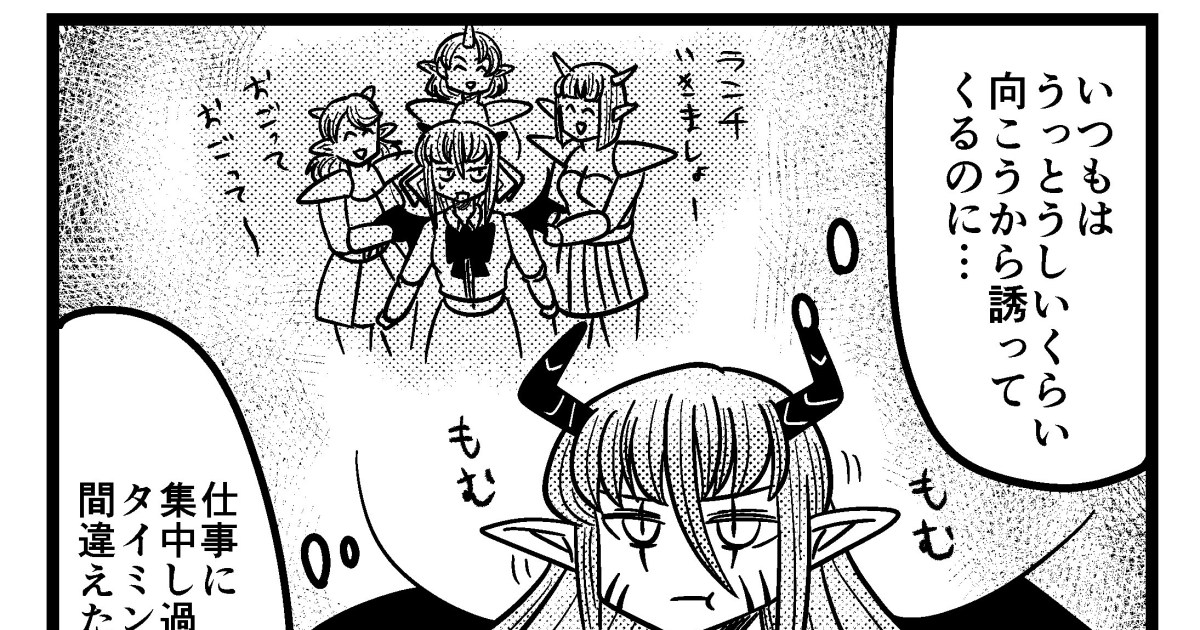
【4コマ】魔王軍はホワイト企業 2041話目「指導⑰」 was released on July 5, 2026, on Rocket News. The long-running 漫画 (manga) series has now reached its 2041話目 (ni-sen yonjuu ichi wa-me) — episode 2041 — under the title 「指導⑰」 (shidō jū-nana), meaning “Guidance (17).”
The comic is created by スガラジカル (Suga Rajikaru), and as usual, readers are given navigation links such as 「前の話へ」 (mae no hanashi e) — “to the previous episode” — and 「第1回から読む」 (dai-ikkai kara yomu) — “read from episode 1.” There’s also a link to 「キャラ一覧はこちら」 (kyara ichiran wa kochira) — “the character list is here.”
Even in these short navigation phrases, there’s a lot of natural, everyday Japanese you can learn from.
A Long-Running 4-Panel Manga
The title begins with 【4コマ】 (yon-koma), which literally means “four panels.” A 4-panel manga is a classic Japanese comic format, typically structured as:
- Introduction
- Development
- Twist
- Punchline
This format is extremely common in newspapers and online media. The fact that this series has reached its 2041st episode shows how popular and enduring it is.
The series title, 魔王軍はホワイト企業 (maō-gun wa howaito kigyō), literally means “The Demon King’s Army Is a White Company.”
- 魔王軍 (maō-gun) = Demon King’s army
- ホワイト企業 (howaito kigyō) = “white company,” meaning a company with good working conditions
In Japan, a ホワイト企業 is the opposite of a ブラック企業 (burakku kigyō), a “black company” known for overwork and harsh conditions. Even without reading the full episode, the title itself reflects modern Japanese work culture vocabulary.
How Navigation Language Works in Japanese
Online manga pages often include simple but powerful phrases. Let’s look at a few from this article.
「前の話へ」 — To the Previous Episode
- 前 (mae) = before, previous
- 話 (hanashi) = story, episode
- へ (e) = toward
The structure 前の話 uses the grammar pattern NのN, meaning “Noun + の + Noun.”
Here, it works like this:
- 前の話 = “the previous story”
The particle の connects nouns, showing description or possession. You’ll see this pattern everywhere in Japanese.
「第1回から読む」 — Read from Episode 1
- 第〜回 (dai~kai) = the ~th time/episode
- 読む (yomu) = to read
- から (kara) = from
This phrase uses the pattern:
Starting point + から + Verb
So:
- 第1回から読む dai-ikkai kara yomu “Read from episode 1.”
The particle から marks the starting point. You can use it in many situations:
9時から始まります。 ku-ji kara hajimarimasu “It starts from 9 o’clock.”
ここから行きます。 koko kara ikimasu “I’ll go from here.”
This structure is essential for everyday conversation.
「一覧はこちら」 — The List Is Here
- 一覧 (ichiran) = list, overview
- こちら (kochira) = this way, here (polite)
こちら is more polite than ここ (koko, here). It’s commonly used on websites and in customer service language.
You’ll often see:
- 詳細はこちら (shōsai wa kochira) — Details here
- ご予約はこちら (go-yoyaku wa kochira) — Reservations here
This is practical, real-world Japanese — the kind native speakers see every day.
Cultural Context: Episode Numbers and Consistency
Japanese manga frequently number episodes using 第〜回 (dai~kai). This system is used not only in comics but also in:
- TV programs
- Competitions
- Annual events
For example:
- 第100回大会 (dai-hyak-kai taikai) “The 100th tournament”
Reaching 2041話目 shows a deep culture of serialization and consistency in Japanese media. Many manga continue for years — sometimes decades — building loyal readerships.
Learn Japanese from This Article
Vocabulary
| Japanese | Romaji | Meaning |
|---|---|---|
| 漫画 | manga | comic, manga |
| 前 | mae | before, previous |
| 話 | hanashi | story, episode, talk |
| 第〜回 | dai~kai | the ~th time/episode |
| 読む | yomu | to read |
| 一覧 | ichiran | list, overview |
| こちら | kochira | this way, here (polite) |
| 〜から | kara | from (starting point) |
Grammar Spotlight 1: NのN
Structure: Noun + の + Noun
Function: Shows possession or description.
Examples:
前の話 mae no hanashi “the previous story”
日本の漫画 nihon no manga “Japanese manga”
先生の本 sensei no hon “the teacher’s book”
This is one of the most fundamental patterns in Japanese.
Grammar Spotlight 2: 〜から + Verb
Structure: Starting point + から + Verb
Examples:
第1回から読む。 dai-ikkai kara yomu “Read from episode 1.”
月曜日から勉強します。 getsuyōbi kara benkyō shimasu “I will study from Monday.”
ここから始めましょう。 koko kara hajimemashō “Let’s start from here.”
This pattern helps you clearly express where something begins — in time, place, or sequence.
Useful Expressions
- 前の話へ — To the previous episode
- 第1回から読む — Read from episode 1
- 一覧はこちら — The list is here
Try spotting these the next time you browse a Japanese website.
Continue Learning
- Want to understand the verb forms used here? Check out Masu Form: Mastering Polite Everyday Speech.
- Curious about the Japanese used here? Our Basic Vocabulary Building: Embracing Words Without Latin Ties lesson covers this in depth.
- To understand more about lifestyle, explore our Greetings and Self-Introductions: Authentic Entry Phrases lesson.
Even a short manga navigation page can teach you natural, everyday Japanese. The key is learning to notice these small phrases — they appear everywhere.
これからもよろしくお願いします。 Kore kara mo yoroshiku onegaishimasu.