
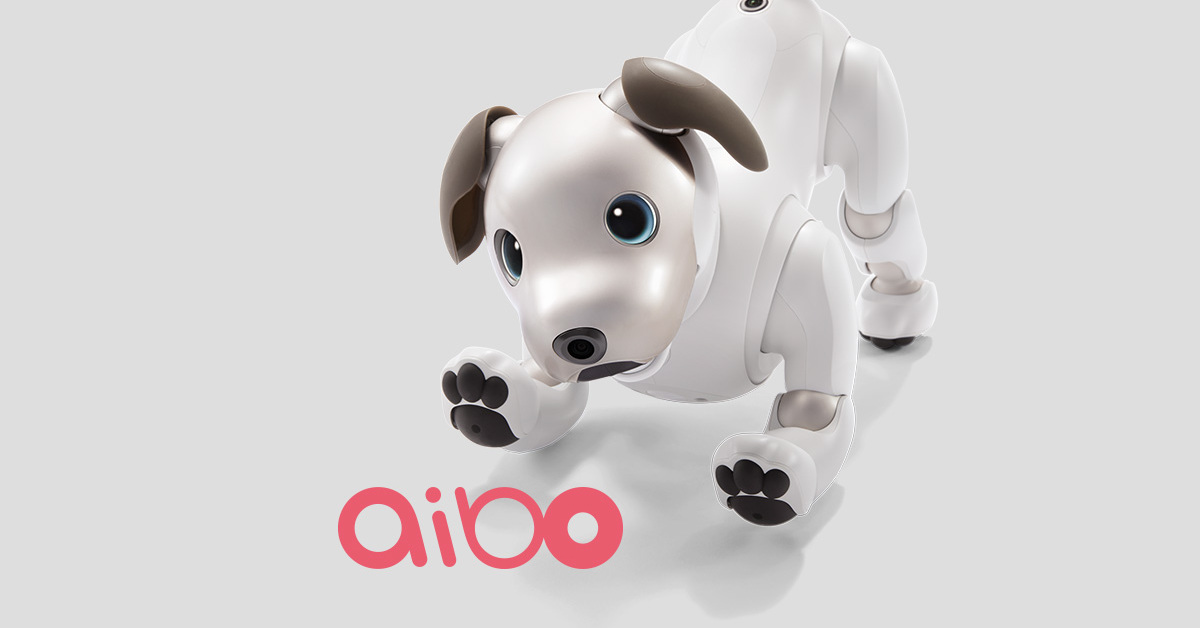
On June 25, Sony Group announced that it will end 国内販売 (kokunai hanbai, domestic sales) of its current Aibo model, ERS-1000/W, once stock runs out. The model, which debuted in 2018 as the sixth-generation Aibo, will no longer be sold in Japan after existing 在庫 (zaiko, inventory) is gone.
The decision marks a turning point for the beloved robotic dog, though Sony emphasized that support and related services will continue.
Sales End “As Soon As” Stock Runs Out
Sony stated that sales of the 現行モデル (genkō moderu, current model) will end 在庫がなくなり次第 (zaiko ga nakunari shidai)—“as soon as inventory runs out.”
This expression, 〜次第 (~shidai), is commonly used in formal announcements and business contexts. It conveys that something will happen immediately after a condition is met. In this case, once there is no stock left, sales will conclude.
The ERS-1000 was introduced in 2018 6代目のaiboとして (rokudaime no aibo to shite)—“as the sixth-generation Aibo.” The grammar pattern 〜として (~to shite) means “as” or “in the role/capacity of,” and you’ll see it often in news articles.
Services Will Continue
While hardware sales are ending, Sony confirmed that various サービス (sābisu, services) will remain available.
These include:
- aiboベーシックプラン (Aibo Basic Plan)
- aiboプレミアムプラン (Aibo Premium Plan)
- aiboケアサポートサービス (Aibo Care Support Service)
- Related アクセサリー (akusesarī, accessories) and parts
- The My aiboアプリ (apuri, app)
- Repairs and treatment for Aibo
- The Aibo Dock
In other words, even though the 現行モデル will no longer be sold domestically, existing owners can continue using subscription plans, purchasing parts, and accessing support.
“A Partner That Grows Together”
Sony commented:
“今後もaiboがオーナーの皆様に愛され、ともに成長していくパートナーとなれるよう、新しい商品やサービスを拡充していきます。”
In English:
“We will continue to expand new products and services so that Aibo can remain a beloved partner for its owners and grow together with them.”
Here, the key word is 拡充 (kakujū), meaning “expansion” or “enhancement.” The company suggests that while this particular model’s sales are ending, Aibo as a brand will continue to develop through new products and services.
Cultural Context: Why Aibo Matters in Japan
Aibo is more than just a gadget in Japan. It’s often described as a “partner” rather than a tool. Notice the word パートナー (pātonā, partner) in Sony’s statement. In Japanese culture—especially in technology marketing—robots are sometimes framed as companions that live alongside humans.
The ERS-1000, released in 2018 as the sixth-generation model, represents a continuation of that philosophy. Referring to it as 6代目 (rokudaime, sixth generation) highlights lineage and evolution—something Japanese companies often emphasize when talking about long-running products.
Even though 国内販売 is ending, the careful continuation of services shows a strong commitment to existing owners, which is an important aspect of Japanese customer support culture.
Learn Japanese from This Article
Key Vocabulary
| Japanese | Romaji | Meaning |
|---|---|---|
| 現行モデル | genkō moderu | current model |
| 国内販売 | kokunai hanbai | domestic sales (within Japan) |
| 在庫 | zaiko | stock, inventory |
| サービス | sābisu | service |
| アプリ | apuri | app (application) |
| アクセサリー | akusesarī | accessories |
| 拡充 | kakujū | expansion, enhancement |
| 6代目 | rokudaime | sixth generation |
Notice how many of these are written in katakana—especially tech-related words like サービス, アプリ, and アクセサリー. This is common in Japanese technology news.
Grammar Spotlight
1. 〜次第(しだい)— “As soon as; once”
Structure: Verb (ます-stem) + 次第
Example from the article:
- 在庫がなくなり次第、販売を終了します。 Zaiko ga nakunari shidai, hanbai o shūryō shimasu. “Sales will end as soon as stock runs out.”
More examples:
準備ができ次第、ご連絡します。 Junbi ga deki shidai, go-renraku shimasu. “I will contact you as soon as preparations are complete.”
詳細が分かり次第、お知らせします。 Shōsai ga wakari shidai, oshirase shimasu. “We will inform you once the details are known.”
This pattern is common in formal announcements and business emails.
2. 〜として — “As; in the role of”
Structure: Noun + として
Example from the article:
- 6代目のaiboとして2018年に登場した。 Rokudaime no aibo to shite 2018-nen ni tōjō shita. “It appeared in 2018 as the sixth-generation Aibo.”
More examples:
教師として働いています。 Kyōshi to shite hataraite imasu. “I work as a teacher.”
日本代表として参加しました。 Nihon daihyō to shite sanka shimashita. “I participated as Japan’s representative.”
You’ll see this constantly in news articles introducing people, products, and roles.
Useful Expressions
- 販売を終了する (hanbai o shūryō suru) — to end sales
- サービスを継続する (sābisu o keizoku suru) — to continue services
- ともに成長していく (tomo ni seichō shite iku) — to grow together
These expressions are common in corporate announcements and press releases.
Continue Learning
Working on your reading skills? Our Katakana Essentials: Adapting Global Words to Japanese lesson is a great next step.
Ready to dive deeper? Our lesson on Basic Vocabulary Building: Embracing Words Without Latin Ties will help you master these concepts.
To understand more about tech, explore our Reading and Writing in Japanese II: Hiragana and Katakana lesson.
Technology news like this is full of real-world Japanese—formal grammar, katakana loanwords, and cultural nuance. Keep reading, and you’ll start recognizing these patterns everywhere.
これからもよろしくお願いします。 Kore kara mo yoroshiku onegaishimasu.