
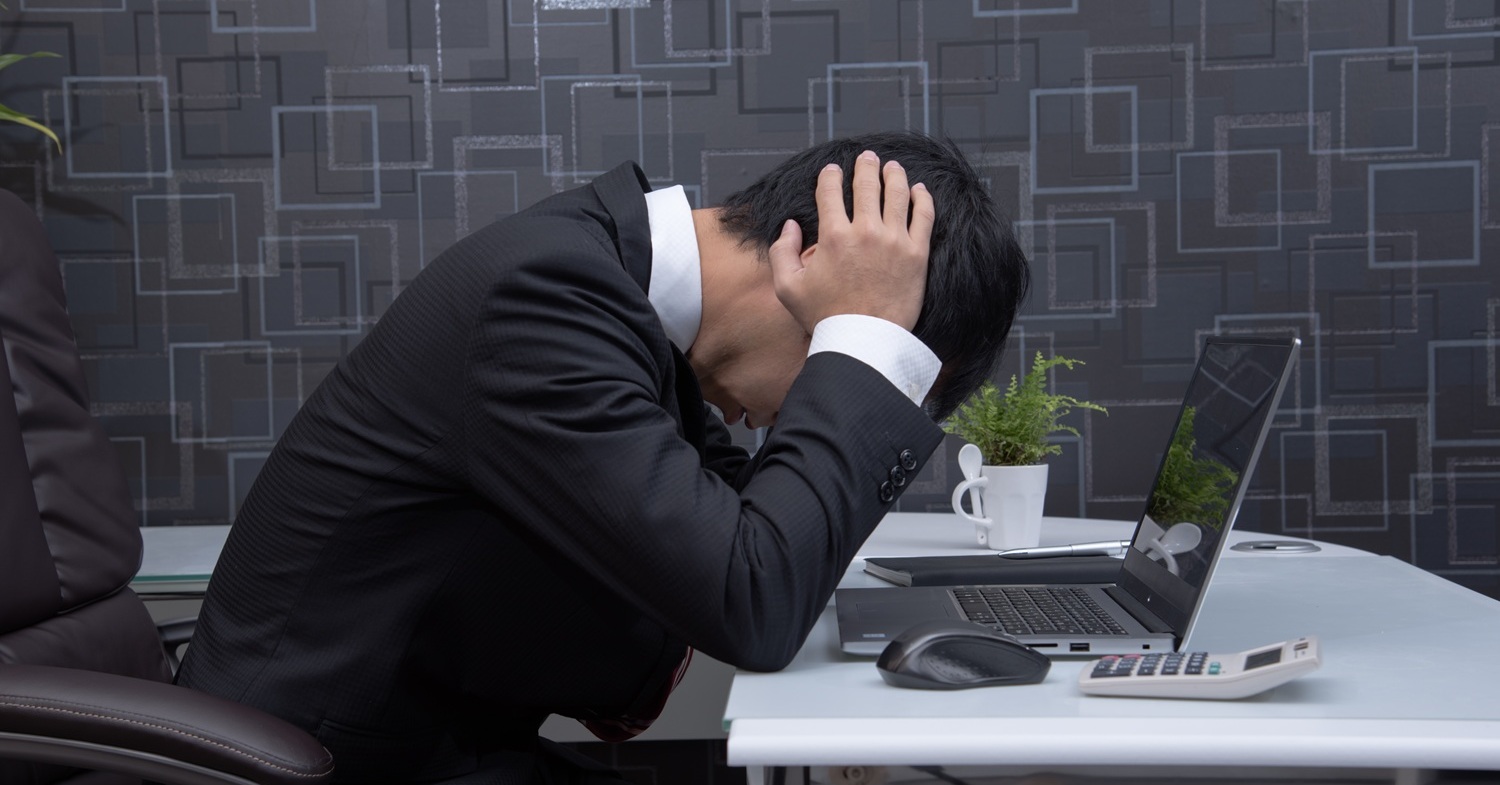
“AI fatigue” and even “AI depression” are the words increasingly heard on SNS (esuenuesu, social networking services) and at gatherings of ITエンジニア (aiti enjinia, IT engineers). Generative AI was supposed to make work faster and easier. So why are people on the ground saying, “We introduced AI, but it hasn’t improved efficiency as much as we expected… I’m just tired”?
On July 24, 2026, ITmedia reported on this growing phenomenon, pointing out that the problem may not be the tools themselves—but something deeper.
“It Should Be Easier… But” — The Paradox of AI at Work
At first glance, the situation sounds contradictory. If tasks are completed more quickly thanks to AI, shouldn’t people feel less exhausted?
According to the article, companies that push AI adoption in a トップダウン (toppu daun, top-down) manner often experience stronger fatigue. Management gives the order: “Use AI for something.” However, how to use it—and how to define success—is left to the frontline employees.
This structure quietly accumulates pressure.
It’s tempting to think this is just the stress of adapting to a new tool. But the author argues that would miss the point. The real issue isn’t the tool itself. It’s the fact that the very way we work has changed.
The Real Cause: An Explosion of Decisions
Discussions about AI often focus on issues like:
- ハルシネーション (harushinēshon) — AI-generated false information
- Risk of information leaks
- Rising usage コスト (kosuto, cost)
These are important concerns. But they are problems of difficulty in handling the tool. They are not the essence of “AI fatigue.”
The more critical change is this: the number of decisions people must make has dramatically increased.
Before AI, system and software development took time. If building one feature required several days, an engineer could concentrate on a single theme during that period.
Now, with AI speeding up implementation, the number of themes handled within the same amount of time has surged. Instead of “having free time,” workers face a constant stream of questions:
- Is this design acceptable?
- Is this output correct?
- Which method should we adopt?
The hands may be freer—but the mind is not.
From Execution to Redesigning the Workflow
There’s another key shift. In the past, the focus was: “How accurately and efficiently can you complete the assigned task?” There was usually a range of acceptable answers.
Now, people must ask: “What should we be doing in the first place?”
It’s not only about how to use AI. Entire 業務フロー (gyōmu furō, workflows) may need to be reorganized. That means continuously making decisions without clear correct answers.
This ongoing 意思決定 (ishi kettei, decision-making) accumulates as mental strain.
The author summarizes it clearly: the true nature of AI fatigue is an increase in decision-making costs. The fatigue of “moving your hands” has been replaced by the fatigue of “continuing to think.”
Some research even suggests that as people externalize their thinking to AI, their critical thinking and memory retention abilities may weaken. The convenience remains on the surface—but the heavy responsibility of judgment stays with humans.
That weight is at the core of AI fatigue.
A Broader Issue Beyond IT
AI use is spreading beyond engineers to non-IT roles as well. Today, it’s difficult for business professionals to remain completely unrelated to AI.
By examining the IT engineering field—where AI adoption came earlier—the article suggests we can find clues about how individuals should think and adapt going forward.
This isn’t just a technical issue. It’s about mindset.
Cultural Context: Top-Down Pressure in Japanese Companies
The article highlights トップダウン (toppu daun) management. In many Japanese organizations, especially large ones, directives from upper management can be very strong. When a new trend like AI emerges, leaders may feel pressure to adopt it quickly.
However, Japanese workplace culture also values harmony and endurance. Employees may hesitate to openly resist unclear policies. As a result, the burden of figuring out “how to make it work” often falls quietly on individuals.
Understanding this cultural background helps explain why fatigue can build up silently.
Learn Japanese from This Article
Let’s look at key vocabulary and grammar you can use in real conversations about technology and work.
Vocabulary
| Japanese | Romaji | Meaning |
|---|---|---|
| SNS | esuenuesu | social networking service |
| ITエンジニア | aiti enjinia | IT engineer |
| トップダウン | toppu daun | top-down (management style) |
| ハルシネーション | harushinēshon | AI hallucination (false output) |
| 業務フロー | gyōmu furō | workflow |
| 意思決定 | ishi kettei | decision-making |
| コスト | kosuto | cost |
Notice how many of these are loanwords written in katakana. Modern Japanese—especially in tech—absorbs global terminology but uses it within Japanese grammar.
Grammar Spotlight ①: 〜はいいが
Pattern: Verb (casual) + のはいいが… “It’s good that…, but…” / “Although…, (negative result follows)”
From the article’s title: 生成AIで仕事が楽になるのはいいが、疲れてしまう。 Seisei AI de shigoto ga raku ni naru no wa ii ga, tsukarete shimau. “It’s good that generative AI makes work easier, but we end up exhausted.”
Another example: AIを導入したのはいいが、効率は上がっていない。 AI o dōnyū shita no wa ii ga, kōritsu wa agatte inai. “It’s good that we introduced AI, but efficiency hasn’t improved.”
This pattern is perfect when you want to express mixed feelings.
Grammar Spotlight ②: 〜ことによって
Pattern: Verb (dictionary form) + ことによって “By doing…” / “Due to…” / “As a result of…”
Example inspired by the article:
AIが普及したことによって、意思決定の回数が増えた。 AI ga fukyū shita koto ni yotte, ishi kettei no kaisū ga fueta. “Due to the spread of AI, the number of decisions has increased.”
This structure is common in formal writing and news articles.
Useful Expression
なんだか、疲れました。 Nandaka, tsukaremashita. “I’m kind of tired.”
The word なんだか (nandaka) adds a vague, emotional nuance—perfect when you can’t fully explain why you feel exhausted.
Continue Learning
Want to learn more about time expressions like このところ (“recently”) that often appear in news writing? Check out our lesson on:
Understanding how Japanese handles time without strict tense markers will help you read articles like this more smoothly.
AI was meant to reduce effort. Instead, for many workers, it has transformed the very nature of effort—from physical execution to constant judgment.
As you study Japanese, you’re also training your own 意思決定 (ishi kettei) skills: choosing words, structures, and expressions. It may feel demanding—but unlike AI fatigue, this kind of mental effort builds your ability step by step.
これからもよろしくお願いします。 Kore kara mo yoroshiku onegaishimasu.