
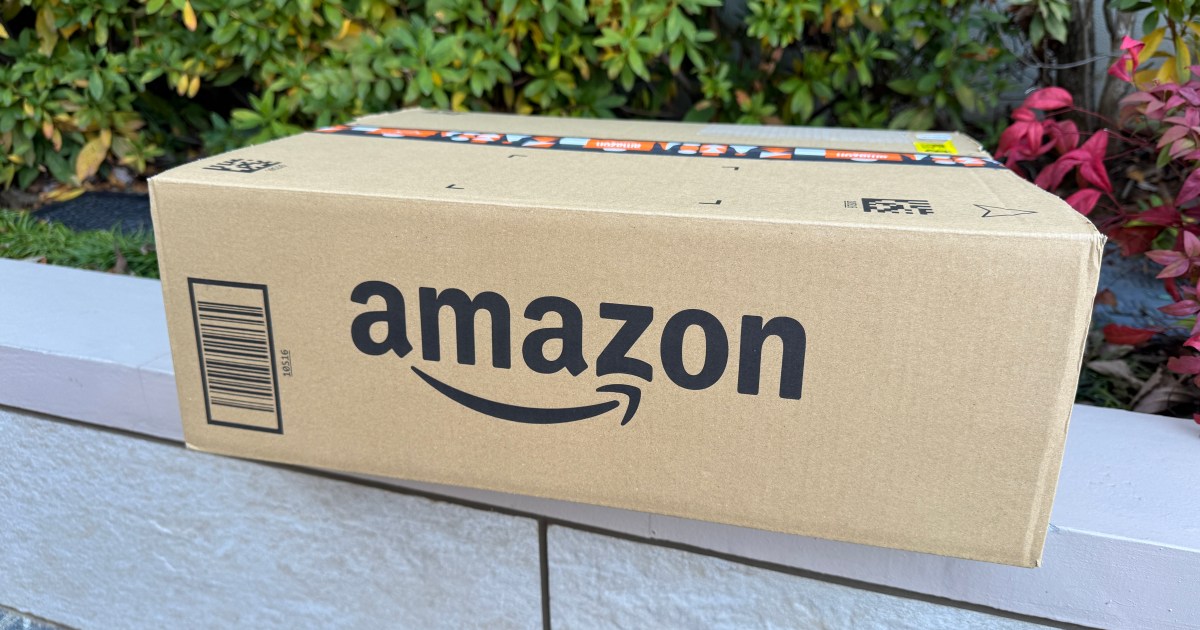
On June 22, Amazon Japan announced a new round of price drops, featuring up to 61% off selected products. From clothing to food and more, 36 carefully chosen items are now available at significantly reduced prices.
Here’s what’s happening—and what you can learn from the Japanese used in the announcement.
Amazon’s Ongoing Time Sales
Amazon is 毎日お得なタイムセールを開催している (mainichi otoku na taimu sēru o kaisai shite iru), meaning it “is holding profitable daily time sales.”
The phrase タイムセール (taimu sēru) means “limited-time sale.” You’ll see this word everywhere on Japanese shopping sites. It refers to short-term discounts that encourage quick purchases.
The verb 開催している (kaisai shite iru) uses the grammar pattern 〜ている, which shows an ongoing action. In this case, Amazon “is holding” these sales continuously.
According to the article, shoppers have a chance to buy items from categories such as:
- Home appliances
- Food and drinks
- Fashion
All at a 特別価格 (tokubetsu kakaku)—a “special price.”
36 Carefully Selected Deals
For June 22, the site highlights 36 featured items.
The article says these products were 厳選 (gensen), meaning “carefully selected.” This word often appears in advertising to suggest high quality or thoughtful curation.
The deals are described as:
- 本日の日替わり目玉商品36選 honjitsu no higawari medama shōhin sanjūroku-sen “Today’s 36 daily featured bargain items”
Here are some useful words from that phrase:
- 日替わり (higawari) — changing daily
- 目玉商品 (medama shōhin) — featured bargain item (literally “eyeball product,” meaning something that catches attention)
Example Deal
One example from the list:
- 50% off “Champion” men’s T-shirt
- Sale price: 1,381 yen
This falls under the アパレル24選 (apareru nijūyon-sen) — “24 apparel selections.”
The full breakdown is:
- 24 apparel items
- 4 drinks and food items
- 8 other items
Important Notes About Pricing
The article includes careful disclaimers, which are very common in Japanese online shopping.
It states that prices and the 割引率 (waribikiritsu)—“discount rate”—are accurate as of June 22, 2026.
However:
- Some items may already be 完売 (kanbai) — “sold out.”
- The discount rate, including coupons, may change.
You’ll also see a polite sentence:
最後までご覧いただきたい。 Saigo made goran itadakitai. “We would like you to view (this) until the end.”
Here, いただく (itadaku) is a humble and polite form of “to receive.” It softens the request and makes it more formal—very common in business writing.
Another note explains that purchases made through article links may return part of the sales to Rocket News 24.
Cultural Context: How Japan Shops Online
Limited-time discounts are extremely popular in Japan. The concept of urgency—short windows, daily changes, limited quantities—encourages quick decisions.
Words like:
- タイムセール (taimu sēru)
- 日替わり (higawari)
- 目玉商品 (medama shōhin)
appear constantly on major shopping platforms.
You’ll also notice how carefully companies mention changing prices and possible sellouts. Clear disclaimers help maintain trust and transparency—an important value in Japanese retail culture.
Learn Japanese from This Article
Key Vocabulary
| Japanese | Romaji | Meaning |
|---|---|---|
| タイムセール | taimu sēru | limited-time sale |
| 開催する | kaisai suru | to hold (an event) |
| 特別価格 | tokubetsu kakaku | special price |
| 厳選 | gensen | carefully selected |
| 日替わり | higawari | daily changing |
| 割引率 | waribikiritsu | discount rate |
| 完売 | kanbai | sold out |
Grammar Spotlight
1. 〜ている (Ongoing Action or State)
開催している kaisai shite iru “(is) holding”
Structure: Verb (て-form) + いる
Examples:
セールを開催している。 Sēru o kaisai shite iru. “(They) are holding a sale.”
商品が売れている。 Shōhin ga urete iru. “The product is selling.”
This pattern shows something currently happening or in progress.
2. 〜いただく (Humble/Polite Form of もらう)
ご覧いただきたい。 goran itadakitai “We would like you to take a look.”
Structure: Verb (honorific form) + いただく
This makes requests more polite and formal. You’ll see it often in advertisements, announcements, and business emails.
Useful Shopping Expressions
特別価格でゲットできる。 Tokubetsu kakaku de getto dekiru. “You can get (it) at a special price.”
価格が一気に下がった。 Kakaku ga ikki ni sagatta. “The price dropped all at once.”
完売する可能性があります。 Kanbai suru kanōsei ga arimasu. “There is a possibility it may sell out.”
Continue Learning
📚 Want to understand the verb forms used here? Check out Masu Form: Mastering Polite Everyday Speech.
📚 Ready to dive deeper? Our lesson on Greetings and Self-Introductions: Authentic Entry Phrases will help you master these concepts.
📚 Curious about the Japanese used here? Our Basic Vocabulary Building: Embracing Words Without Latin Ties lesson covers this in depth.
Basic Vocabulary Building: Embracing Words Without Latin Ties
これからもよろしくお願いします。 Kore kara mo yoroshiku onegaishimasu.