
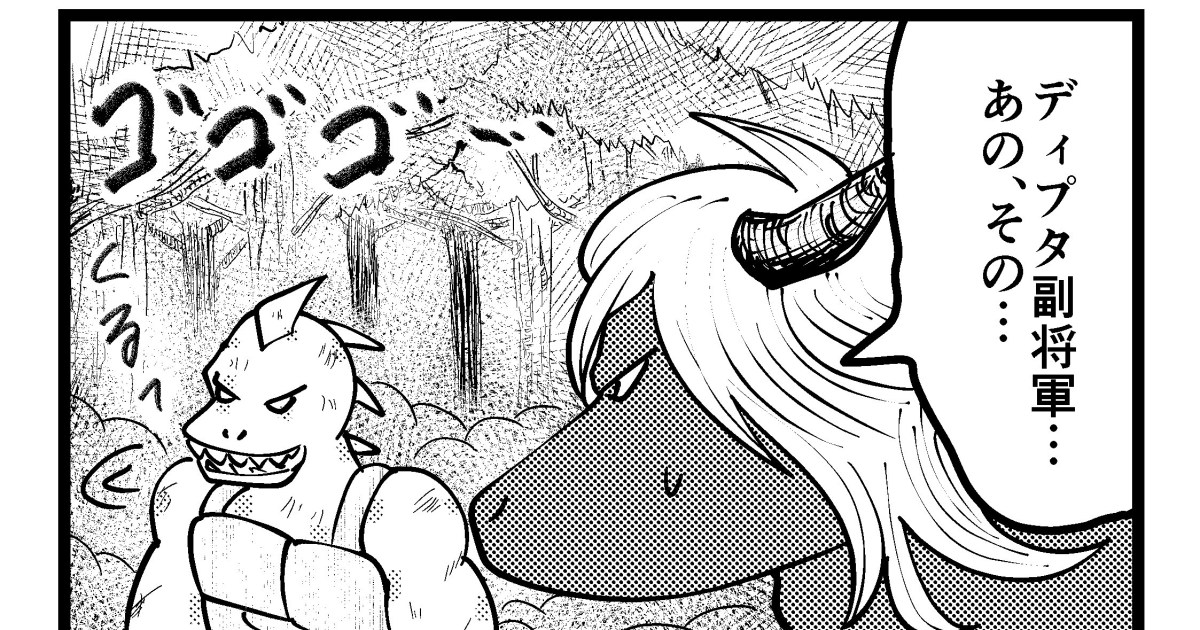
On June 14, 2026, Rocket News published the 2020th installment of its ongoing 4-panel series titled 【4コマ】魔王軍はホワイト企業 2020話目「休暇明け㉒」 — a milestone episode in a long-running workplace comedy.
The series title alone gives Japanese learners a lot to explore. It’s labeled 4コマ (yonkoma), meaning a four-panel 漫画 (manga) — a short comic strip told in four frames. This particular installment is marked as 2020話目 (ni-sen ni-jū wa-me), meaning “Episode 2020,” and the subtitle is 休暇明け㉒ (kyūka ake nijū-ni), “After the Vacation (22).”
The comic is illustrated by スガラジカル (Sugarajikaru), and the page includes navigation links such as:
- « 前の話へ (mae no hanashi e) — “To the previous episode”
- 第1回から読む (dai ikkai kara yomu) — “Read from Episode 1”
- ▼キャラ一覧はこちら (kyara ichiran wa kochira) — “Character list is here”
Even with just this small amount of text, you can see how natural, everyday Japanese is used in real online media.
What Is “魔王軍はホワイト企業”?
The title 魔王軍はホワイト企業 (Maō-gun wa howaito kigyō) literally means:
- 魔王軍 (maō-gun) — the Demon King’s army
- ホワイト企業 (howaito kigyō) — a “white company” (a company with good working conditions)
In Japan, a ホワイト企業 is the opposite of a ブラック企業 (burakku kigyō), a “black company” known for overworking employees and poor treatment. The joke in the title comes from contrast: you’d expect the Demon King’s army to be harsh and ruthless, yet it’s described as a model workplace.
This episode, numbered 2020話目, continues the storyline 休暇明け (kyūka ake) — “after vacation.” The small circled number ㉒ shows it’s part 22 of this specific sub-arc.
Understanding the Navigation Language
Web comics in Japan often include simple, practical phrases that are perfect for learners. Let’s look at a few.
前の話へ (mae no hanashi e)
- 前 (mae) — before, previous
- 話 (hanashi) — story, episode
- 〜へ (e) — toward
Together, this means “To the previous episode.”
第1回から読む (dai ikkai kara yomu)
- 第〜回 (dai~kai) — numbered installment
- 1回 (ikkai) — first time / first episode
- から (kara) — from
- 読む (yomu) — to read
This means “Read from Episode 1.”
Notice the grammar pattern 〜から (kara), meaning “from.” It marks the starting point — in this case, starting from the first installment.
キャラ一覧はこちら (kyara ichiran wa kochira)
- キャラ (kyara) — characters (casual shortening of キャラクター)
- 一覧 (ichiran) — list, overview
- こちら (kochira) — this way / here (polite)
This means “The character list is here.”
The use of こちら feels slightly more polite and website-friendly than just saying ここ (koko, “here”).
Cultural Context: The 4コマ Tradition
The term 4コマ漫画 (yonkoma manga) refers to a specific comic format in Japan: four vertical panels, typically structured as:
- Introduction
- Development
- Twist
- Punchline
This format has been popular in newspapers and magazines for decades and is still widely used online. Because each episode is short, it’s common for series to reach high numbers like 2020話目. Long-running consistency is something Japanese readers appreciate.
You’ll also notice how clearly episodes are numbered with 第〜回. This structure appears everywhere in Japan — from TV shows to school events — and mastering it helps you understand schedules, programs, and serialized content.
Learn Japanese from This Article
Let’s break down the key vocabulary and grammar you can take away from this short news item.
Vocabulary
| Japanese | Romaji | Meaning |
|---|---|---|
| 漫画 | manga | comic, manga |
| 前 | mae | before, previous |
| 話 | hanashi | story, episode, talk |
| 第〜回 | dai~kai | numbered episode or installment |
| 読む | yomu | to read |
| 一覧 | ichiran | list, overview |
| こちら | kochira | this way, here (polite) |
| 休暇明け | kyūka ake | after vacation |
Try making your own sentence:
- 第3回から読みます。 Dai san-kai kara yomimasu. “I will read from Episode 3.”
Notice the polite 読みます (yomimasu). If you want to strengthen your understanding of this form, review our lesson on Masu Form below.
Grammar Spotlight 1: 〜から (from)
Structure: Noun + から
Used to show a starting point in time, place, or sequence.
Examples:
第1回から読む。 Dai ikkai kara yomu. “Read from Episode 1.”
今日から始まります。 Kyō kara hajimarimasu. “It starts from today.”
Grammar Spotlight 2: NのN (Noun + の + Noun)
This is one of the most important patterns in Japanese. It connects two nouns, often showing possession or description.
Example from the article:
- 前の話 Mae no hanashi “The previous episode” (literally “the before story”)
Another example:
- 魔王軍の会社 Maō-gun no kaisha “The Demon King’s army’s company”
Understanding NのN will unlock a huge amount of natural Japanese.
Useful Expression
- こちら (kochira) — “here” (polite)
You’ll see this constantly on websites and in stores:
- 出口はこちらです。 Deguchi wa kochira desu. “The exit is this way.”
It’s softer and more polite than ここ (koko).
Continue Learning
📚 Want to understand the verb forms used here? Check out Masu Form: Mastering Polite Everyday Speech.
📚 To understand more about lifestyle, explore our Greetings and Self-Introductions: Authentic Entry Phrases lesson.
📚 Want to learn more about lifestyle? Check out our lesson on Basic Vocabulary Building: Embracing Words Without Latin Ties.
Basic Vocabulary Building: Embracing Words Without Latin Ties
これからもよろしくお願いします。 Kore kara mo yoroshiku onegaishimasu.