
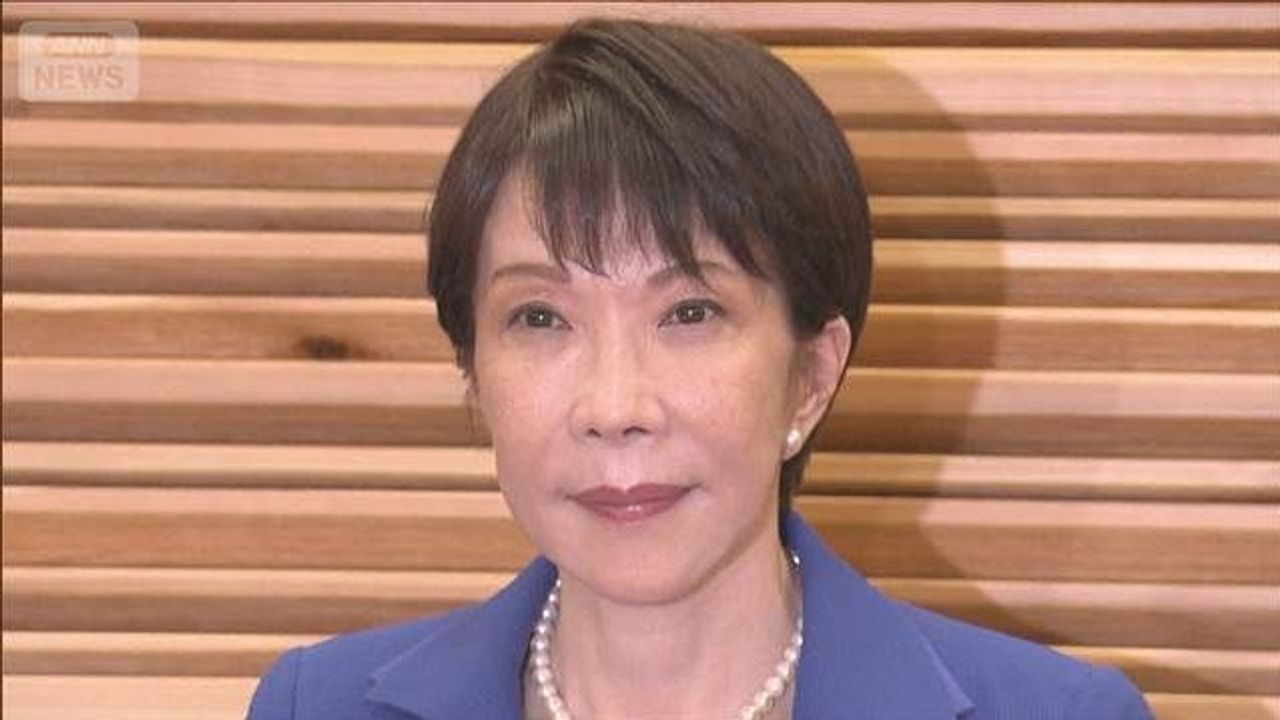
Prime Minister 高市総理大臣 (Takaichi sōri daijin) will soon depart for France to attend the G7 summit, marking her first visit to Europe since taking office.
Prime Minister to Attend G7 in France
According to Yahoo Japan, 高市総理大臣 (Takaichi sōri daijin), Japan’s 総理大臣 (sōri daijin, Prime Minister), is preparing for 出発 (shuppatsu, departure) to France. The trip is scheduled in conjunction with the G7 summit, known in Japanese as G7=主要7カ国の首脳会議 (G7 = shuyō nana-kakoku no shunō kaigi).
The term 主要 (shuyō) means “main” or “major,” and here it describes the world’s seven major countries. 首脳会議 (shunō kaigi) literally means “leaders’ meeting,” referring to a summit where national leaders gather to discuss important international issues.
This European 訪問 (hōmon, official visit) will be her first since her 就任 (shūnin, assumption of office). In Japanese political reporting, it’s common to emphasize whether something is the “first time since taking office,” highlighting milestones in a leader’s tenure.
A Visit Timed with the Summit
The article uses the expression 〜にあわせて (~ni awasete), meaning “in conjunction with” or “to coincide with.” In this case, the Prime Minister’s trip to Europe is timed to match the G7 summit being held in France.
This phrasing reflects how official schedules are often coordinated around major international meetings. Rather than making a separate trip, leaders frequently combine bilateral visits with multilateral events like the G7.
Cultural Context: Why “First Visit” Matters
Japanese news reports often stress whether an overseas trip is 就任後初めてとなる訪問 (shūnin-go hajimete to naru hōmon) — “the first visit since assuming office.”
In Japan, political leadership transitions are closely followed by the public and media. An overseas visit can symbolize diplomatic priorities and signal how a new 総理大臣 (sōri daijin) plans to engage internationally. Even a short article will highlight this milestone to frame the significance of the trip.
You’ll notice that Japanese reporting tends to be concise and factual, focusing on timing, location, and official context rather than speculation or commentary.
Learn Japanese from This Article
Let’s break down the key vocabulary and grammar you can take from this short but rich news report.
Key Vocabulary
| Japanese | Romaji | Meaning |
|---|---|---|
| 総理大臣 | sōri daijin | Prime Minister |
| 主要 | shuyō | main; major |
| 首脳会議 | shunō kaigi | summit meeting (of leaders) |
| 就任 | shūnin | inauguration; assumption of office |
| 訪問 | hōmon | official visit |
| 出発 | shuppatsu | departure |
Notice how many of these are Sino-Japanese (漢語 / kango) words often used in formal news contexts. Learning these will dramatically improve your ability to read real Japanese articles.
Grammar Spotlight 1: 〜にあわせて
Structure: Noun + にあわせて
Meaning: In conjunction with; to coincide with
Example from the article: 首脳会議にあわせて、ヨーロッパ訪問へ出発します。 Shunō kaigi ni awasete, Yōroppa hōmon e shuppatsu shimasu. “He will depart for a European visit in conjunction with the summit meeting.”
More examples:
イベントにあわせて、新商品を発売します。 Ibento ni awasete, shinshōhin o hatsubai shimasu. “We will release a new product to coincide with the event.”
季節にあわせて、服を変えます。 Kisetsu ni awasete, fuku o kaemasu. “I change my clothes according to the season.”
This pattern is extremely common in news and business Japanese.
Grammar Spotlight 2: 〜後初めてとなる
Structure: Noun + 後初めてとなる
Meaning: The first time since ~
Example from the article: 就任後初めてとなるヨーロッパ訪問 Shūnin-go hajimete to naru Yōroppa hōmon “The first European visit since assuming office”
More examples:
卒業後初めてとなる同窓会です。 Sotsugyō-go hajimete to naru dōsōkai desu. “It’s the first reunion since graduation.”
移住後初めてとなる帰国です。 Ijū-go hajimete to naru kikoku desu. “It’s my first return home since moving abroad.”
You’ll frequently see this structure in formal writing, especially in newspapers.
Useful Expression
まもなく出発します。 Mamonaku shuppatsu shimasu. “He/She will depart soon.”
まもなく (mamonaku) means “soon” or “before long,” a useful adverb in both spoken and written Japanese.
Continue Learning
To strengthen your reading skills and better understand articles like this:
- To understand more about general topics, explore our Reading and Writing in Japanese II: Hiragana and Katakana lesson.
- Working on your reading skills? Our Introduction to Kanji: Pictorial Foundations of Japanese Script lesson is a great next step.
- Curious about the Japanese used here? Our Basic Vocabulary Building: Embracing Words Without Latin Ties lesson covers this in depth.
Short news articles like this are perfect practice. They’re concise, formal, and packed with essential political vocabulary you’ll see again and again.
これからもよろしくお願いします。 Kore kara mo yoroshiku onegaishimasu.