
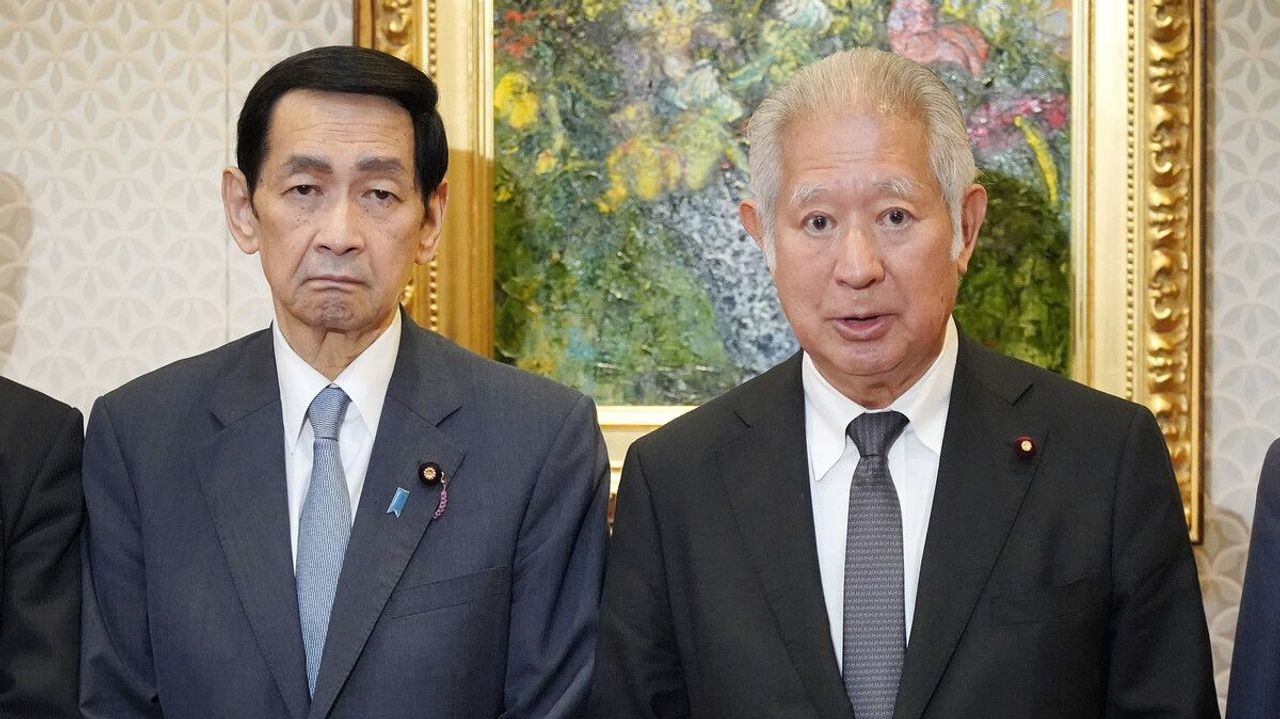
On June 5, the speakers of both houses of Japan’s Diet compiled a draft proposal described as the “collective will of the legislature” and decided to report it to the government. The focus: measures aimed at securing a stable imperial succession.
A Proposal from Both Houses
The article states that the 衆参両院 (shūsan ryōin) — both houses of Japan’s National Diet (the House of Representatives and the House of Councillors) — took coordinated action.
Specifically, the 議長 (gichō), or speakers, of these two chambers put together a draft described as the 立法府の総意 (rippōfu no sōi), meaning “the consensus of the legislative branch.”
This draft concerns policies related to:
- 安定的な皇位継承 (anteiteki na kōi keishō) — a stable imperial succession
- 皇族数確保策 (kōzokusū kakuhosaku) — measures to secure the number of imperial family members
In other words, the proposal addresses how to maintain a stable line of succession to the Chrysanthemum Throne by ensuring there are enough members of the imperial family.
The speakers 取りまとめた (torimatameta) — compiled or coordinated — this draft and will report it to the government.
What Does This Mean?
Japan’s imperial system is hereditary, and succession follows specific rules. The phrase 皇位継承 (kōi keishō) refers to the passing of the throne from one emperor to the next.
The article also uses the formal written expression 〜に関し (ni kan shi), meaning “regarding” or “concerning,” which you’ll often see in official documents and news reports.
Here, the matter is described as:
安定的な皇位継承に向けた皇族数確保策に関し anteiteki na kōi keishō ni muketa kōzokusū kakuhosaku ni kan shi “Regarding measures to secure the number of imperial family members aimed at stable imperial succession.”
This kind of phrasing is typical of formal political reporting in Japanese.
Cultural Context: The Role of the Diet
The 立法府 (rippōfu), or legislative branch, refers to Japan’s National Diet. It consists of two houses:
- The House of Representatives (lower house)
- The House of Councillors (upper house)
When the article says 立法府の総意, it emphasizes that this proposal reflects a shared position from the legislature as a whole — not just one party or one chamber.
In Japanese political language, words like 総意 (sōi, consensus) carry a strong nuance of unity and coordination. This choice of wording suggests that the proposal aims to represent broad agreement within the Diet.
Learn Japanese from This Article
Let’s break down the key vocabulary and grammar so you can read similar political news with confidence.
Key Vocabulary
| Japanese | Romaji | Meaning |
|---|---|---|
| 衆参両院 | shūsan ryōin | both houses of the Diet |
| 議長 | gichō | chairperson; speaker (of the house) |
| 安定的 | anteiteki | stable; steady |
| 皇位継承 | kōi keishō | imperial succession |
| 確保策 | kakuhosaku | measures to secure (something) |
| 立法府 | rippōfu | legislative branch |
| 総意 | sōi | consensus; collective will |
| 取りまとめる | torimatomeru | to compile; to coordinate; to put together |
Try reading this sentence again with your new vocabulary:
衆参両院議長は、立法府の総意案を取りまとめた。 Shūsan ryōin gichō wa, rippōfu no sōi-an o torimatameta. “The speakers of both houses compiled a draft reflecting the legislature’s consensus.”
Grammar Spotlight
1. 〜に向けた (ni muketa) — “aimed at; toward”
This pattern modifies a noun and shows the goal or direction of an action.
Structure: > Noun + に向けた + Noun
Example from the article: > 安定的な皇位継承に向けた確保策 > anteiteki na kōi keishō ni muketa kakuhosaku > “Measures aimed at stable imperial succession”
Another example: > 将来に向けた計画 > shōrai ni muketa keikaku > “A plan aimed at the future”
2. 〜に関し (ni kan shi) — “regarding; concerning” (formal)
This is a written, formal version of 〜に関して.
Structure: > Noun + に関し
Example: > この問題に関し、報告を行う。 > Kono mondai ni kan shi, hōkoku o okonau. > “We will make a report regarding this issue.”
You’ll see 〜に関し often in government documents and newspaper articles.
Useful Expression
- 総意を取りまとめる sōi o torimatomeru “to compile or coordinate a consensus”
This expression is common in political and organizational contexts.
Continue Learning
- Want to learn more about general? Check out our lesson on Reading and Writing in Japanese II: Hiragana and Katakana.
- Working on your reading skills? Our Introduction to Kanji: Pictorial Foundations of Japanese Script lesson is a great next step.
- Ready to dive deeper? Our lesson on Basic Vocabulary Building: Embracing Words Without Latin Ties will help you master these concepts.
By reading short, formal news like this, you’re training your eye to recognize high-level vocabulary and written grammar patterns used in real Japanese society.
これからもよろしくお願いします。 Kore kara mo yoroshiku onegaishimasu.