
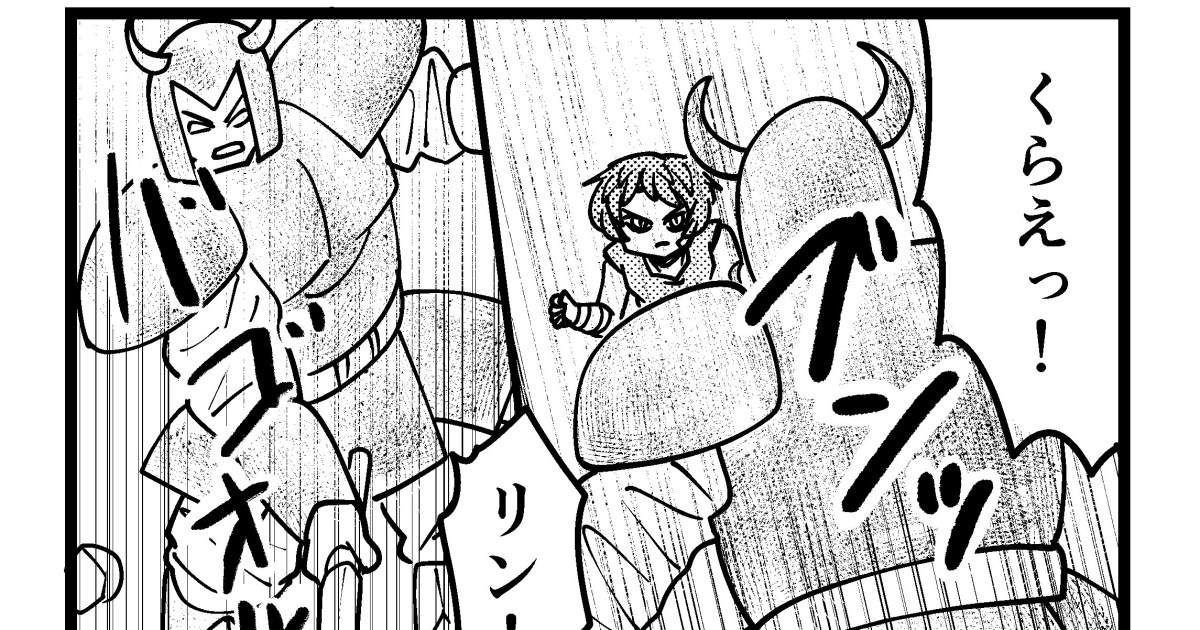
【4コマ】魔王軍はホワイト企業 1984話目「再会㉔」 was published on May 9, 2026, featuring manga by スガラジカル. This installment marks the 1984th episode of the ongoing four-panel series.
A Four-Panel Series at Episode 1984
The title begins with 【4コマ】 (yonkoma), meaning “four-panel comic.” In Japan, this style of 漫画 (manga, comic) is a classic format. Each episode typically fits into four vertical panels and follows a rhythm that Japanese readers grow up with: introduction, development, twist, and punchline.
This particular series is titled 魔王軍はホワイト企業 (Maōgun wa howaito kigyō), which literally means “The Demon King’s Army Is a White Company.” The phrase “white company” in Japanese refers to a workplace with good conditions—reasonable hours, fair treatment, and supportive management. Even without more story details, the contrast between a “demon king’s army” and a “white company” hints at the humor.
The article lists this as 1984話目 (sen kyūhyaku hachijūyon wa-me), meaning “Episode 1984.”
- 話 (hanashi) can mean “story,” “episode,” or “talk,” depending on context.
- In manga and TV series, it often refers to an individual episode.
The subtitle is 「再会㉔」 (Saikai 24), meaning “Reunion (24).” The circled number suggests this is the 24th part of a continuing “Reunion” storyline.
Navigating the Series
The page also includes several standard navigation phrases you’ll see on Japanese websites:
- « 前の話へ (mae no hanashi e) — “To the previous episode”
- 第1回から読む (dai ikkai kara yomu) — “Read from Episode 1”
- ▼キャラ一覧はこちら (kyara ichiran wa kochira) — “Character list is here”
Let’s break these down, because they’re extremely useful for real-life Japanese reading.
「前の話へ」
- 前 (mae) means “before” or “previous.”
- 話 (hanashi) means “episode” here.
- へ (e) indicates direction: “to.”
So the whole phrase means “Go to the previous episode.”
「第1回から読む」
- 第〜回 (dai~kai) is used to count occurrences, like episodes or events.
- 第1回 (dai ikkai) = “the first time” or “Episode 1.”
- から (kara) means “from.”
- 読む (yomu) means “to read.”
So this literally means: “Read from Episode 1.”
Notice how 〜から shows a starting point. You’ll use this pattern constantly in everyday Japanese.
「キャラ一覧はこちら」
- 一覧 (ichiran) means “list” or “overview.”
- こちら (kochira) is a polite way to say “this way” or “here.”
The structure N + はこちら means “As for N, it’s here.” It’s a polite guiding expression often used on websites and in stores.
Cultural Context: The World of 4コマ Manga
Four-panel comics are everywhere in Japan—newspapers, magazines, and online platforms. Many Japanese children first encounter structured storytelling through short 4コマ漫画 (yonkoma manga).
The format traditionally follows a structure called:
- 起 (ki) – introduction
- 承 (shō) – development
- 転 (ten) – twist
- 結 (ketsu) – conclusion
Even when the topic is something as fantastical as a demon king’s army, the storytelling logic is deeply rooted in Japanese narrative tradition.
Web navigation phrases like 前の話へ and 第1回から読む are also part of everyday digital literacy in Japan. Learning to recognize these helps you move through Japanese websites confidently—just like a native reader.
Learn Japanese from This Article
Key Vocabulary
| Japanese | Romaji | Meaning |
|---|---|---|
| 漫画 | manga | comic; manga |
| 第〜回 | dai~kai | the ~th time/episode |
| 話 | hanashi | story; episode; talk |
| 前 | mae | before; previous; front |
| 読む | yomu | to read |
| 一覧 | ichiran | list; overview |
| こちら | kochira | this way; here (polite) |
Grammar Spotlight 1: 〜から (Starting From)
Structure: N + から
Meaning: “from” (starting point in time, place, or sequence)
Example from the article:
- 第1回から読む。 Dai ikkai kara yomu. “Read from Episode 1.”
More examples:
9時から始まります。 Kuji kara hajimarimasu. “It starts from 9 o’clock.”
日本から来ました。 Nihon kara kimashita. “I came from Japan.”
Notice how flexible から is—you’ll hear it constantly in daily conversation.
Grammar Spotlight 2: N + はこちら
Structure: N + はこちら
Meaning: “As for N, it’s here.” (polite guiding expression)
Example from the article:
- キャラ一覧はこちら。 Kyara ichiran wa kochira. “The character list is here.”
This is common in customer service and on websites.
More examples:
メニューはこちらです。 Menyū wa kochira desu. “Here is the menu.”
お手洗いはこちらです。 Otearai wa kochira desu. “The restroom is this way.”
Want to understand why verbs like 始まります (hajimarimasu) and 来ました (kimashita) change form? Check out our lesson on polite verb forms below.
Continue Learning
- Masu Form: Mastering Polite Everyday Speech: Want to understand the verb forms used here? Check out Masu Form: Mastering Polite Everyday Speech.
- Greetings and Self-Introductions: Authentic Entry Phrases: To understand more about lifestyle, explore our Greetings and Self-Introductions: Authentic Entry Phrases lesson.
- Basic Vocabulary Building: Embracing Words Without Latin Ties: Ready to dive deeper? Our lesson on Basic Vocabulary Building: Embracing Words Without Latin Ties will help you master these concepts.
By learning to read even short navigation phrases like 前の話へ and 第1回から読む, you’re building the kind of practical literacy Japanese children develop naturally. Small phrases, repeated often, become powerful tools.
これからもよろしくお願いします。 Kore kara mo yoroshiku onegaishimasu.