
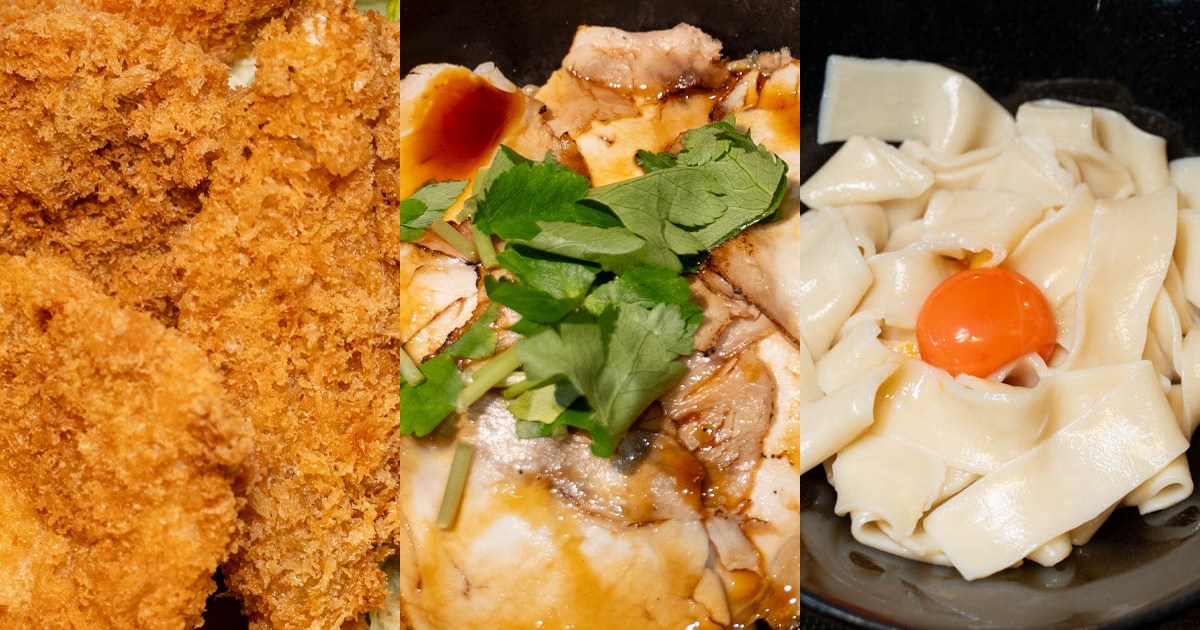
On April 14, 2026, NEXCO East Japan 開催(かいさい) (kaisai, held) the “2nd Highway Meshi Championship” in Tokyo—and what happened there surprised even seasoned food reporters. Out of 125 dishes from 12 prefectures and 112,570 投票(とうひょう) (touhyou, votes), the best highway meal in eastern Japan was officially 決定(けってい) (kettei, decided).
Highway food… better than a ryokan dinner? According to the reporter who tasted the top three, it was “so good you can’t believe it’s from a service area.”
Let’s take a closer look.
What Is the Highway Meshi Championship?
In Japan, highway rest stops are called:
- サービスエリア (saabisu eria) – Service Area (SA)
- パーキングエリア (paakingu eria) – Parking Area (PA)
They’re not just bathrooms and vending machines. Many are famous for regional specialties. This competition crowns the best dish from SAs and PAs across eastern Japan.
At the event, chefs of the top three dishes gathered in person. After the results were announced, they actually cooked their meals on-site. Certificates and trophies were 授与(じゅよ) (juyo, awarded) to the winners.
And yes—the reporter tasted everything.
🥉 3rd Place: Curry Carbonara Mazé Udon (Saitama)
蓮田SA(下り線)「カレボナーラまぜうどん」 Hasuda SA (downbound) – “Curry Carbonara Mazé Udon” (1,000 yen)
At first glance, it looks like simple egg udon. But here’s the twist: you add carbonara sauce and curry sauce to change the flavor.
The official way to eat it:
- Try it “kamatama” style (egg and noodles)
- Add carbonara sauce
- Add curry sauce
- Even add rice at the end!
The surprising part? Each stage tastes complete on its own. It achieves both fun and serious flavor.
The reporter wrote that it’s so good, it SA・PAで食べられるとは思えない (SA・PA de taberareru to wa omoenai) “You can’t believe this is something you can eat at a highway rest stop.”
We’ll look at this grammar pattern later!
🥈 2nd Place: Seafood Mixed Fry Set (Fukushima)
四倉PA(上下線)「海鮮ミックスフライ定食」 Yotsukura PA – “Seafood Mixed Fry Set” (1,480 yen)
This dish impressed with pure freshness.
The chef goes to the fishing port every morning to 仕入れる(しいれる) (shiireru, procure ingredients). Because of that, the types of fish change 魚次第で (sakana shidai de)—depending on the day’s catch.
On the day of judging, the set included:
- Shrimp
- Conger eel
- Monkfish
- Kanagashira (a local fish)
These aren’t typical fried set items in many places. Some are regional specialties.
The key word here is 旬(しゅん) (shun)—food that is in season. The chef also mentioned wanting to incorporate more seasonal fish in the future.
The reporter loved it so much he went back for seconds and said he personally considered it his number one.
If you pass through Yotsukura PA, this is a must.
🥇 1st Place: “Dream Ibaraki Journey” Set (Ibaraki)
友部SA(上り線)「夢の茨城旅行~お守りはmikittyのサイン~THANK YOU SO MUCH cholo」 Tomobe SA (upbound) (1,500 yen)
The name is long and playful, but the content is serious.
The main dish:
- Roast pork bowl (Tsukuba pork) served hitsumabushi-style
But that’s just the beginning.
It also includes:
- Herb-breaded flounder
- Italian-style maitake mushrooms
- Braised Hitachi beef
- Fresh vegetables from Ibaraki
- Wasabi from Daigo
- Local plum pickles
- Clear soup
- Whitebait salad
- Original dessert
While the other competitors focused on one main dish, Tomobe SA delivered something like a full-course meal.
The roast pork is described as tender and gently sweet. Then you pour bonito-based broth over it, completely transforming the flavor. Add wasabi or plum, and the taste becomes even more complex.
Even the dishware is local—custom-made Ibaraki pottery.
For 1,500 yen, the reporter said it rivals hotel or ryokan dinners in technique and flavor.
It’s served at the Tomobe SA (upbound) food court restaurant called 珠玉の蔵 (Shugyoku no Kura).
Cultural Insight: Why Highway Food Is So Good in Japan
Japanese highways are long, and many families travel during Golden Week (GW). Service areas compete to attract visitors.
Regional pride plays a huge role. Each prefecture wants to showcase local ingredients and identity. That’s why you see:
- Local pork brands
- Regional vegetables
- Prefecture-made pottery
- Collaboration with fishing ports
Highway rest stops become mini food destinations.
This competition wasn’t decided by judges alone—it was based on over 112,000 customer votes. That public involvement reflects Japan’s strong culture of food appreciation and regional loyalty.
Learn Japanese from This Article
Key Vocabulary
| Japanese | Romaji | Meaning |
|---|---|---|
| 開催 | kaisai | to hold (an event) |
| 決定 | kettei | decision; to decide |
| 投票 | touhyou | vote; voting |
| 授与 | juyo | to confer; to award |
| 仕入れる | shiireru | to procure; purchase stock |
| 旬 | shun | in season |
| 堪能する | tannou suru | to fully enjoy; savor |
Example sentence:
- 毎朝、漁港まで魚を仕入れます。 Maiasa, gyokou made sakana o shiiremasu. “Every morning, (he) goes to the fishing port to procure fish.”
Notice the polite 〜ます form. Want to master this structure? See our lesson below.
Grammar Spotlight
1️⃣ 〜とは思えない
Meaning: “I can’t believe that…” / “It doesn’t seem like…”
Structure: Plain form + とは思えない
Example from this article:
- SAで食べられるとは思えない。 SA de taberareru to wa omoenai. “I can’t believe this can be eaten at a service area.”
More examples:
- これが1000円だとは思えない。 Kore ga sen-en da to wa omoenai. “I can’t believe this is 1,000 yen.”
2️⃣ 〜次第で
Meaning: “Depending on…”
Structure: Noun + 次第で
Example:
- 魚次第でメニューが変わります。 Sakana shidai de menyuu ga kawarimasu. “The menu changes depending on the fish.”
More examples:
- 天気次第で行きます。 Tenki shidai de ikimasu. “We’ll go depending on the weather.”
This structure is extremely common in daily Japanese.
Useful Expression
- 本気(ほんき) (honki) – serious; full effort
- 一押し(いちおし) (ichioshi) – top recommendation
Example:
- 私の一押しは海鮮フライです。 Watashi no ichioshi wa kaisen furai desu. “My top recommendation is the seafood fry.”
Continue Learning
📚 Want to understand the verb forms used here? Check out Masu Form: Mastering Polite Everyday Speech.
📚 Ready to dive deeper? Our lesson on Greetings and Self-Introductions: Authentic Entry Phrases will help you master these concepts.
📚 Curious about the Japanese used here? Our Basic Vocabulary Building: Embracing Words Without Latin Ties lesson covers this in depth.
Basic Vocabulary Building: Embracing Words Without Latin Ties
これからもよろしくお願いします。 Kore kara mo yoroshiku onegaishimasu.