
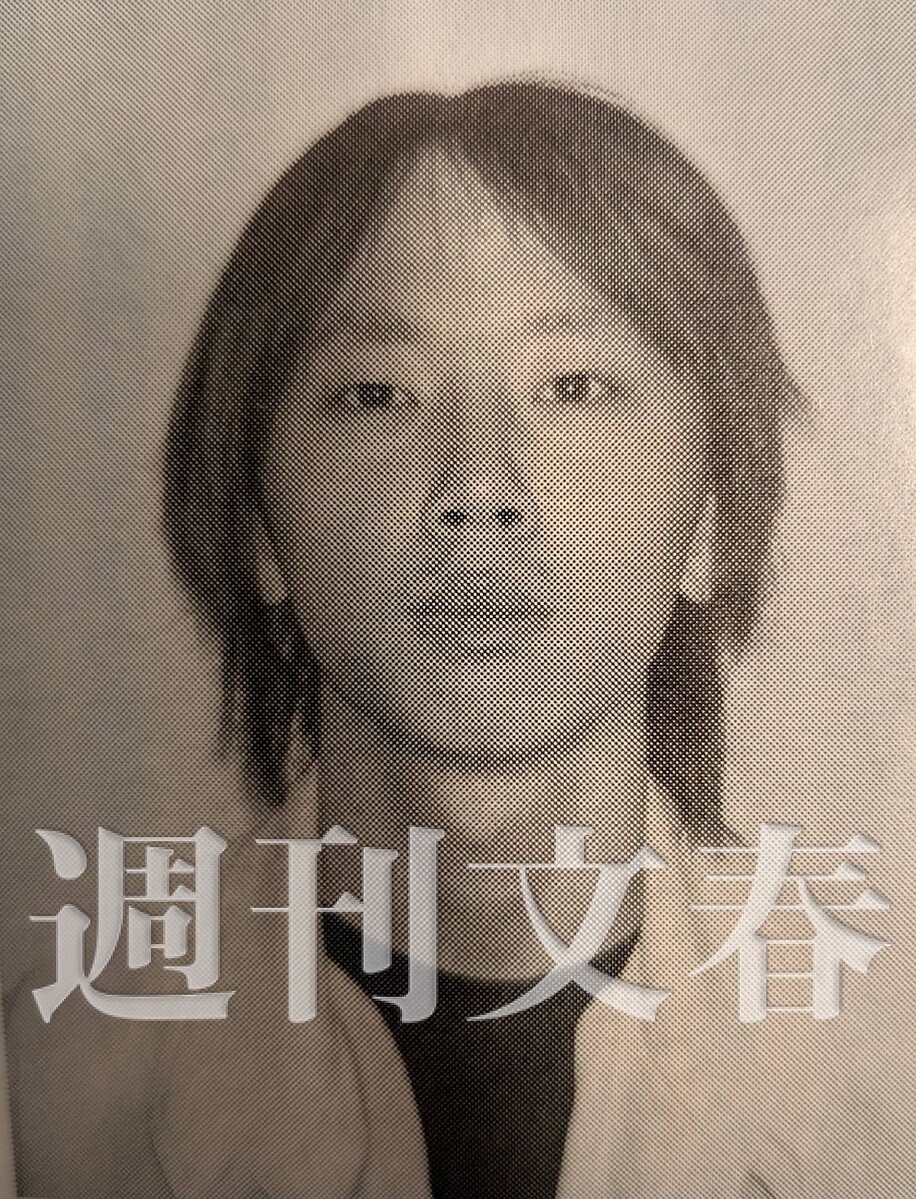
On March 23, an 11-year-old boy went missing. On April 13, his 遺体 (itai)—a respectful term for a dead body—was discovered in the mountains of Nantan City, Kyoto Prefecture. Three days later, on April 16, his 37-year-old stepfather was arrested on suspicion of 死体遺棄 (shitai iki), abandonment of a corpse.
The case has left many unanswered questions.
What Happened
The boy, Adachi Yūki (11), was reported 行方不明 (yukue fumei), meaning his whereabouts were unknown, on March 23. Weeks later, on April 13, his body was found in a mountainous area of Kyoto Prefecture’s Nantan City.
On April 16, police arrested his stepfather, Adachi Yūki (37), as a 容疑者 (yōgisha), or suspect, on charges of corpse abandonment. In Japanese reporting, the word 容疑者 is used before a conviction to emphasize that the person is suspected, not yet proven guilty.
The suspect is described as the boy’s 義父 (gifu), meaning stepfather. (The same word can also mean father-in-law, depending on context.)
A reporter identified as “M,” who has been covering the case locally since April 3, commented that there were several 不可解 (fukakai)—mysterious or difficult-to-explain—points in the suspect’s behavior around the time the boy went missing.
A Phone Call and a Sudden Absence
According to the report, around the time the boy disappeared, the suspect made a phone call to his workplace. In it, he reportedly said something to the effect of, “There are some troubles at home…” and informed them that he would be absent.
The article also notes that four days before the boy went missing, he suddenly told his workplace, “I’ll be taking the day off today.” Additionally, there was testimony mentioning a “Taiwan honeymoon” (台湾新婚旅行), though the details are not fully explained in this excerpt.
These elements—the sudden absences, the phone call citing family issues, and references to travel—are described as leaving lingering questions.
Cultural Context: How Japanese News Reports Crime
Japanese crime reporting tends to follow a careful structure:
- The suspect is referred to as 〜容疑者 (〜 yōgisha), attaching “suspect” directly to the name.
- Ages are almost always included in parentheses, such as (37).
- Formal grammar like 〜となった (〜 to natta, “became”) is used to describe developments in a neutral tone.
- Respectful terms such as 遺体 (itai) are used instead of blunt words.
This style reflects a balance between factual reporting and maintaining a certain level of formality and respect, especially when discussing the deceased.
Learn Japanese from This Article
Let’s turn this difficult news into a language-learning opportunity.
Key Vocabulary
| Japanese | Romaji | Meaning |
|---|---|---|
| 行方不明 | yukue fumei | missing; whereabouts unknown |
| 遺体 | itai | dead body (respectful term) |
| 容疑者 | yōgisha | suspect |
| 義父 | gifu | stepfather; father-in-law |
| 逮捕 | taiho | arrest |
| 死体遺棄 | shitai iki | abandonment of a corpse |
| 不可解 | fukakai | mysterious; inexplicable |
Notice how many of these are written in kanji compounds (熟語). Each kanji contributes meaning:
- 不 (fu) = not
- 明 (mei) = clear → 不明 = unclear
- 行方 (yukue) = whereabouts
If you're building your kanji foundation, understanding these building blocks makes news articles much less intimidating.
Grammar Spotlight 1: 〜となる (Formal “to become”)
In news Japanese, you’ll often see 〜となる instead of the more casual 〜になる.
Example from this case:
- 4月16日に逮捕されることとなった。 Shigatsu jūroku-nichi ni taiho sareru koto to natta. “He came to be arrested on April 16.” (formal tone)
This structure sounds objective and is common in written reports.
Grammar Spotlight 2: 〜で (Reason/Cause in Formal Style)
In news language, で can indicate reason or cause in a concise way.
Example:
- 死体遺棄の容疑で逮捕された。 Shitai iki no yōgi de taiho sareta. “He was arrested on suspicion of corpse abandonment.”
Here, で marks the reason for the arrest.
Useful Expression
- 家庭内でゴタゴタが… Kateinai de gotagota ga… “There are some troubles at home…”
ゴタゴタ (gotagota) is an onomatopoeic word suggesting conflict, confusion, or messy problems. Japanese often uses such sound-symbolic words to soften or vaguely describe sensitive issues.
Continue Learning
Working on your reading skills? Our Introduction to Kanji: Pictorial Foundations of Japanese Script lesson is a great next step.
Want to strengthen your word knowledge? Explore Basic Vocabulary Building: Embracing Words Without Latin Ties.
To understand more about culture and respectful language, check out Honorifics: Keigo for Respectful Dialogue.
Serious news like this can be difficult to read, but it’s also where you encounter real, living Japanese—the kind used every day in newspapers across the country. Step by step, you’re building the ability to understand it directly.
これからもよろしくお願いします。 Kore kara mo yoroshiku onegaishimasu.