
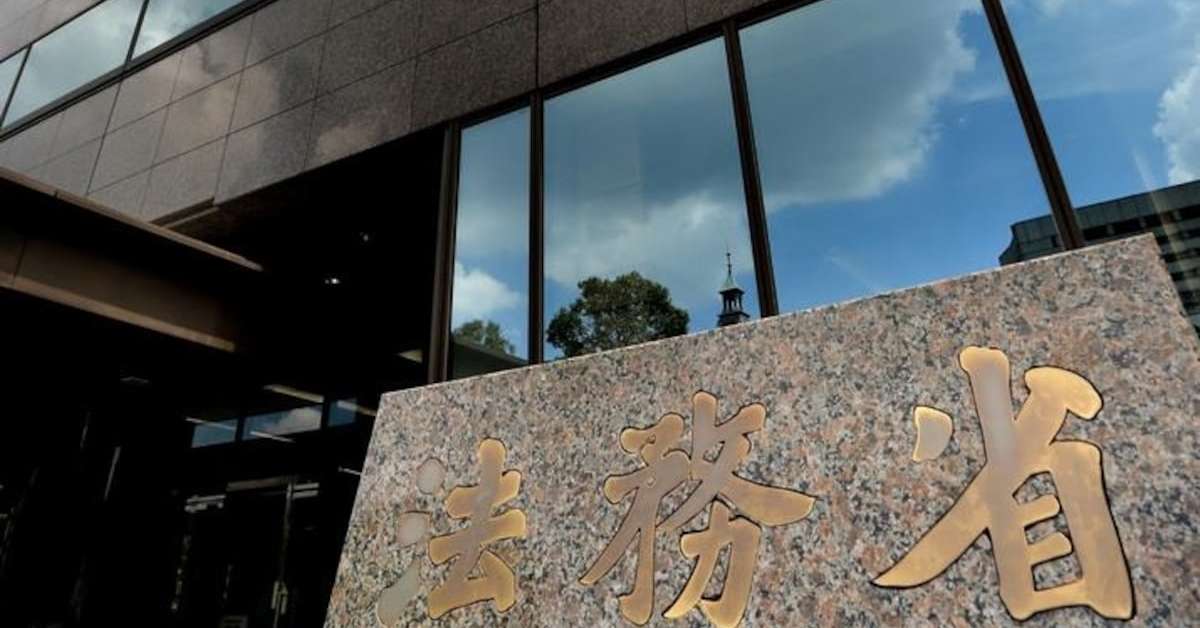
On April 17, Japan’s Ministry of Justice announced it will set up a study group to address a growing problem: videos and audio created with 生成AI (seisei AI, generative AI) that closely imitate the faces and voices of celebrities—often used 無断 (mudan), without permission.
As technology improves, the line between real and artificial is becoming harder to see. Now, the government is stepping in to clarify what the law can—and cannot—do.
Ministry of Justice Responds to AI Misuse
The new study group was established 〜ことを受けて—in response to—the increasing seriousness of unauthorized AI-generated videos and audio that resemble famous individuals.
According to the Ministry of Justice, the group will examine civil liability related to the use of a person’s likeness and voice. Based on current laws and past court decisions, it will review specific examples and organize its findings into official ガイドライン (gaidorain, guidelines).
These guidelines are expected to clarify:
- Whether certain acts constitute rights violations
- The scope of possible 損害賠償 (songai baishou, damages or legal compensation) claims
- Who is eligible to file such claims
The first meeting is scheduled for April 24, and the group plans to meet five times by July. The final goal is to show what responses are possible under existing law.
Importantly, a ministry official emphasized that this is not a legislative initiative. For example, the パブリシティ権 (paburishiti-ken, right of publicity) is not explicitly written into Japanese law, but has been recognized through court precedents. The study group will not consider creating new laws, only clarifying how current ones apply.
What Rights Are Being Examined?
The study group consists of eight experts, including scholars of intellectual property and civil law, as well as lawyers.
They will consider whether certain AI-generated content violates:
- 肖像権 (shouzouken) — the right not to have one’s face or appearance used without permission
- パブリシティ権 (paburishiti-ken) — the right of public figures not to have their name or likeness used commercially without authorization
In recent years, 生成AI (seisei AI) technology has improved rapidly. 〜に伴って (as, accompanied by this change), it has become easier to create highly realistic videos and audio.
The article highlights examples such as:
- Scenes where someone who closely resembles an actor performs actions the real actor never performed
- Videos in which a character voiced by a professional voice actor sings songs in a voice that closely imitates the original
Some of these works have been 公表する (kouhyou suru, made public) online and have generated revenue—without the permission of the person being imitated. These cases are now being viewed as serious legal concerns.
Cultural Context: Image, Voice, and Celebrity in Japan
In Japan, public figures—actors, voice actors, singers—often have carefully managed public images. Voice actors (声優, seiyuu) in particular hold a special place in pop culture. Their voices are strongly associated with specific characters and can be a major part of a brand’s value.
That’s why 肖像権 (shouzouken) and パブリシティ権 (paburishiti-ken) matter so much. Even though the right of publicity is not clearly written into statute law, Japanese courts have recognized that celebrities can claim damages when their likeness is used commercially without consent.
Now, with AI making imitation easier than ever, the government is trying to clarify how traditional legal concepts apply to new digital realities.
Learn Japanese from This Article
Let’s break down key vocabulary and grammar you can use in real-world discussions about technology and law.
Key Vocabulary
| Japanese | Romaji | Meaning |
|---|---|---|
| 生成AI | seisei AI | generative AI |
| 無断 | mudan | without permission |
| ガイドライン | gaidorain | guidelines |
| パブリシティ権 | paburishiti-ken | right of publicity |
| 肖像権 | shouzouken | portrait rights / right to one’s likeness |
| 損害賠償 | songai baishou | damages (legal compensation) |
| 公表する | kouhyou suru | to make public / announce |
| 検討会 | kentou-kai | study group / review panel |
Notice how many of these are written in katakana, such as ガイドライン and パブリシティ権. These are loanwords adapted into Japanese pronunciation—a common feature in tech and legal discussions.
Grammar Spotlight
1. 〜ことを受けて
Meaning: In response to; following
Structure: Clause (plain form) + ことを受けて
Example from the article: 問題が深刻化していることを受けて、法務省は検討会を設置した。 Mondai ga shinkokuka shite iru koto o ukete, houmushou wa kentou-kai o setchi shita. “In response to the problem becoming more serious, the Ministry of Justice established a study group.”
Use this in formal contexts such as news reports.
2. 〜に伴って
Meaning: As; accompanied by; with (a change)
Structure: Noun + に伴って Verb (dictionary form) + に伴って
Example: 技術の向上に伴って、問題も増えている。 Gijutsu no koujou ni tomonatte, mondai mo fuete iru. “As technology improves, problems are also increasing.”
This pattern is useful for describing social or technological changes.
Useful Expressions
権利侵害にあたるかどうかを検討する Kenri shingai ni ataru ka dou ka o kentou suru “To examine whether something constitutes a rights violation”
現行法でどのような対応が可能かを示す Genkouhou de dono you na taiou ga kanou ka o shimesu “To show what responses are possible under current law”
These phrases are common in formal discussions about policy and regulation.
Continue Learning
Working on your reading skills? Our Katakana Essentials: Adapting Global Words to Japanese lesson is a great next step.
Curious about the Japanese used here? Our Basic Vocabulary Building: Embracing Words Without Latin Ties lesson covers this in depth.
Want to learn more about tech? Check out our lesson on Reading and Writing in Japanese II: Hiragana and Katakana.
As AI continues to evolve, so does the language used to describe it. By learning terms like 生成AI (seisei AI) and grammar patterns such as 〜に伴って, you’re not just studying Japanese—you’re understanding how modern Japan talks about change.
これからもよろしくお願いします。 Kore kara mo yoroshiku onegaishimasu.