
SEO Title: TV Variety Scene Cut from TVer After On-Air Incident Meta Description: A scene from “Aiseki Shokudō” was partially cut from TVer after an on-air incident. Learn key Japanese words like 放送, 配信, and 苦笑い.
On April 7, a portion of the ABC TV program 「相席食堂」 (Aiseki Shokudō) was reportedly cut from its online 配信 (haishin, streaming) on TVer after its original 放送 (hōsō, broadcast). The cut is believed to be related to what appeared to be sexual harassment during the program.
What Happened on “Aiseki Shokudō”?
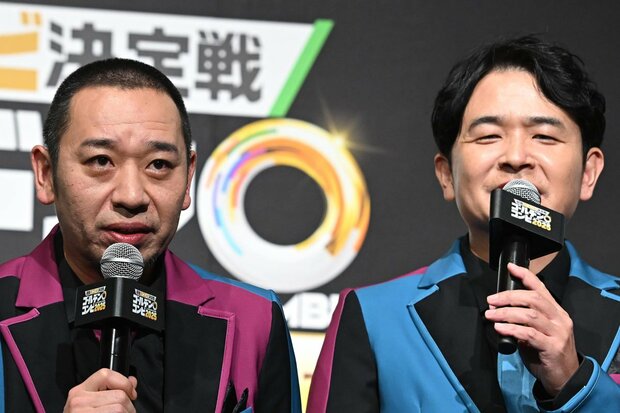
The Osaka-based show, which features comedy duo Chidori (Daigo and Nobu), aired the episode on Tuesday at 11:17 p.m. The April 7 broadcast introduced a traditional eel restaurant in Uji City, Kyoto.
The restaurant is described as a 料亭 (ryōtei), a traditional Japanese restaurant often associated with refined dining. At this particular establishment, customers can catch live eel inside the restaurant and have it grilled and served on the spot.
During the episode, Taichi Shiozaki from the group M!LK participated in the location shoot. A female voice actress also appeared and attempted to skewer an eel — challenging because the skewer would not easily pierce the fish’s body.
As she struggled with the task, a male employee of the restaurant approached her from 背後 (haigo, behind) and patted her waist with both hands. The voice actress noticed and looked up with a 苦笑い (nigawarai, wry smile). Shiozaki, visibly surprised, also responded with a forced smile.
The scene was later partially removed from TVer’s streaming version. It is 〜とみられる (to mirareru, considered/it is believed that*) that the cut was due to the cast member’s sexual harassment behavior.
Why This Matters
In Japanese television, variety shows often include unscripted reactions and spontaneous interactions. However, public sensitivity to harassment — especially on television — has increased in recent years.
The distinction between 放送 (hōsō, TV broadcast) and 配信 (haishin, streaming distribution) is important. Programs may air as originally recorded, but streaming platforms sometimes edit or remove problematic segments afterward.
Understanding this difference gives you insight not just into language, but into how modern Japanese media operates.
Cultural Context: What Is a 料亭?
The word 料亭 (ryōtei) refers to a traditional, often upscale Japanese restaurant. Historically, ryōtei were places where guests enjoyed refined cuisine and careful hospitality. While this particular restaurant featured a hands-on eel-catching experience, the word still carries an image of formality and tradition.
Knowing cultural terms like this helps you understand the atmosphere Japanese audiences might imagine when hearing the word — something that can’t always be captured by simply translating it as “restaurant.”
Learn Japanese from This Article
Key Vocabulary
| Japanese | Romaji | Meaning |
|---|---|---|
| 出演 | shutsuen | appearance (on TV, stage, etc.) |
| 放送 | hōsō | broadcast |
| 配信 | haishin | streaming, online distribution |
| 料亭 | ryōtei | traditional Japanese restaurant |
| 挑戦する | chōsen suru | to challenge, to try |
| 背後 | haigo | behind (someone) |
| 苦笑い | nigawarai | wry smile, forced smile |
Try saying:
女性声優がうなぎの串打ちに挑戦した。 Josei seiyū ga unagi no kushiu chi ni chōsen shita. The female voice actress attempted to skewer the eel.
その場面は配信でカットされたとみられる。 Sono bamen wa haishin de katto sareta to mirareru. That scene is believed to have been cut from the streaming version.
Grammar Spotlight
1️⃣ 〜とみられる
Meaning: “It is believed that…” / “It is considered that…”
This expression is commonly used in news reporting to present conclusions without stating them as confirmed facts.
Structure: Plain form + とみられる
Example:
- セクハラが原因だとみられる。 Sekuhara ga gen’in da to mirareru. It is believed that sexual harassment was the cause.
You’ll often see this in headlines and formal reports.
2️⃣ 〜するしかなかった
Meaning: “Had no choice but to…”
Structure: Verb (dictionary form) + しかなかった
Example from the situation:
- 驚いた後、苦笑いするしかなかった。 Odoroita ato, nigawarai suru shika nakatta. After being surprised, he had no choice but to give a forced smile.
This pattern expresses resignation — when there are no other realistic options.
Useful Expressions
- 顔を上げる (kao o ageru) — to raise one’s face
- 両手で (ryōte de) — with both hands
- 一部カット (ichibu katto) — partially cut
Notice how compact Japanese news language is. Short phrases carry a lot of meaning, which is why building vocabulary step by step is so important.
Continue Learning
Working on your reading skills? Our Introduction to Kanji: Pictorial Foundations of Japanese Script lesson is a great next step.
Want to strengthen your vocabulary naturally? Check out Basic Vocabulary Building: Embracing Words Without Latin Ties.
To understand more about cultural nuance in communication, explore Honorifics: Keigo for Respectful Dialogue.
Moments like this show how language, media, and culture intersect in real life. By reading authentic news, you're seeing Japanese as it’s actually used — in headlines, reporting, and everyday reactions.
これからもよろしくお願いします。 Kore kara mo yoroshiku onegaishimasu.