
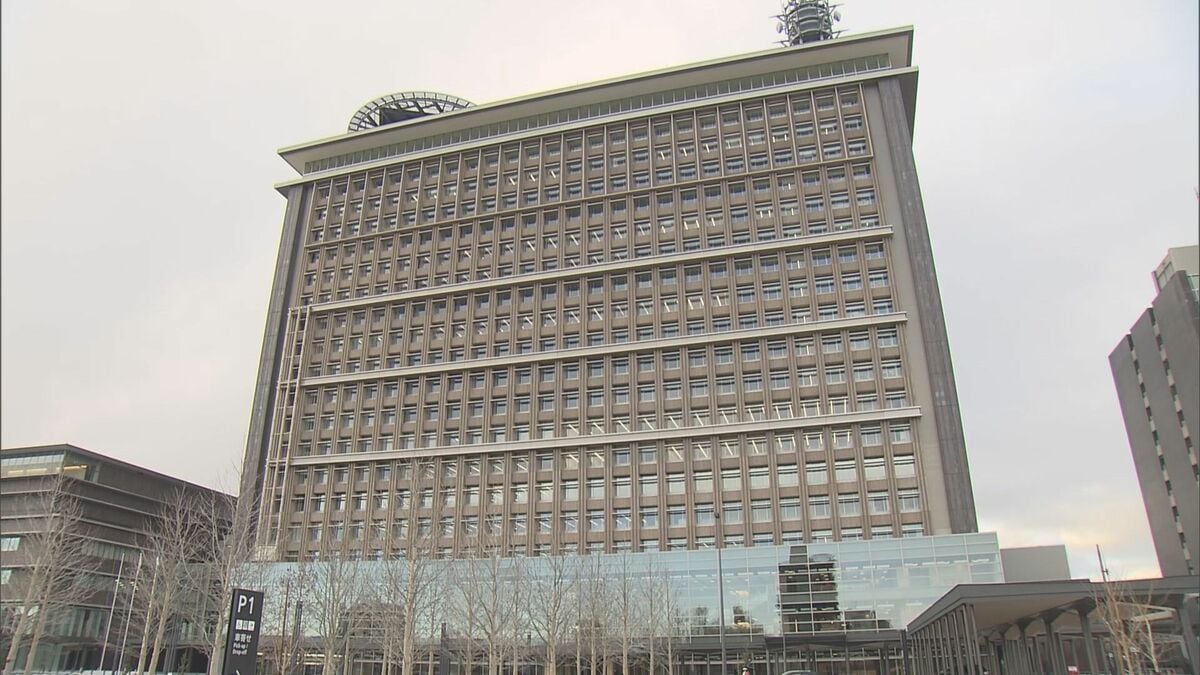
16 customers who dined at a traditional restaurant in Gifu Prefecture developed diarrhea, vomiting, and fever. Authorities have determined that the cause was norovirus—and the restaurant has been ordered to suspend operations.
Norovirus Outbreak at a Kappō Restaurant
According to Gifu Prefecture, on March 30 a report was made to the Tōnō 保健所 (hokenjo, public health center). The caller stated that multiple people who had eaten at a 割烹料理店 (kappō ryōriten, traditional Japanese restaurant) in Mizunami City were experiencing symptoms such as diarrhea, vomiting, and fever.
The restaurant, named “Kōbutei,” had served customers between March 28 and March 30. Out of 42 people who ate there during that period, 16 men and women between the ages of 26 and 84 reported symptoms including diarrhea, vomiting, and fever.
After an investigation, norovirus was detected in stool samples from 12 of the patients and from two of the restaurant’s food preparation staff. Based on these findings, the public health center 断定しました (dantei shimashita, determined definitively) that the outbreak was 食中毒 (shokuchūdoku, food poisoning) caused by norovirus.
As a result, the restaurant received an 営業禁止処分 (eigyo kinshi shobun, business suspension order) effective on the 4th. The suspension will remain in place 〜までの間 (made no aida, until/during the time up to) measures are implemented to prevent a recurrence.
The prefecture is urging thorough handwashing before cooking and eating, as well as proper heating of food. Officials emphasized the need to 徹底する (tettei suru, enforce thoroughly) these preventive measures.
What Is a 割烹料理店?
A 割烹料理店 (kappō ryōriten) is a traditional style of Japanese restaurant where dishes are often prepared in front of customers at a counter. The word 割烹 comes from older culinary terminology:
- 割 (katsu) – to cut
- 烹 (pō) – to cook
These restaurants typically focus on seasonal ingredients and carefully prepared dishes. Because of this emphasis on freshness and close chef-customer interaction, hygiene is especially important.
In Japan, local governments regularly inspect restaurants through regional 保健所 (hokenjo, public health centers). When food poisoning occurs, these centers conduct investigations and can issue administrative penalties such as 営業禁止処分.
Learn Japanese from This Article
News reports are excellent study material because they use formal, structured Japanese. Let’s break down key vocabulary and grammar.
Key Vocabulary
| Japanese | Romaji | Meaning |
|---|---|---|
| 割烹料理店 | kappō ryōriten | traditional Japanese restaurant (kappō-style) |
| 食中毒 | shokuchūdoku | food poisoning |
| 断定する | dantei suru | to determine definitively |
| 営業禁止処分 | eigyo kinshi shobun | business suspension order |
| 保健所 | hokenjo | public health center |
| 徹底する | tettei suru | to enforce thoroughly |
| 下痢 | geri | diarrhea |
| 嘔吐 | ōto | vomiting |
| 発熱 | hatsunetsu | fever |
Notice how many of these are written in kanji compounds. Recognizing patterns in kanji can dramatically improve your reading speed.
Grammar Spotlight
1. 〜によりますと (ni yorimasu to) — “according to” (formal)
This expression is commonly used in news reports.
岐阜県によりますと、16人が症状を訴えました。 Gifu-ken ni yorimasu to, jūroku-nin ga shōjō o uttaemashita. According to Gifu Prefecture, 16 people reported symptoms.
It’s more formal than 〜によると, and you’ll hear it frequently in TV news.
2. 〜までの間 (made no aida) — “until; during the time up to”
Used to describe a time period that continues until a certain condition is met.
再発防止策が講じられるまでの間、営業は禁止されます。 Saihatsu bōshisaku ga kōjirareru made no aida, eigyō wa kinshi saremasu. Business operations are prohibited until preventive measures are implemented.
This structure is very useful in both formal and everyday contexts.
Useful Expressions from the Article
- 症状を訴える (shōjō o uttaeru) — to complain of symptoms
- 原因と断定する (gen’in to dantei suru) — to determine the cause
- 検出される (kenshutsu sareru) — to be detected
These are common phrases in health-related news.
Continue Learning
📚 Working on your reading skills? Our Introduction to Kanji: Pictorial Foundations of Japanese Script lesson is a great next step.
Introduction to Kanji: Pictorial Foundations of Japanese Script
📚 Ready to dive deeper? Our lesson on Honorifics: Keigo for Respectful Dialogue will help you master these concepts.
📚 Ready to dive deeper? Our lesson on Basic Vocabulary Building: Embracing Words Without Latin Ties will help you master these concepts.
Basic Vocabulary Building: Embracing Words Without Latin Ties
これからもよろしくお願いします。 Kore kara mo yoroshiku onegaishimasu.