
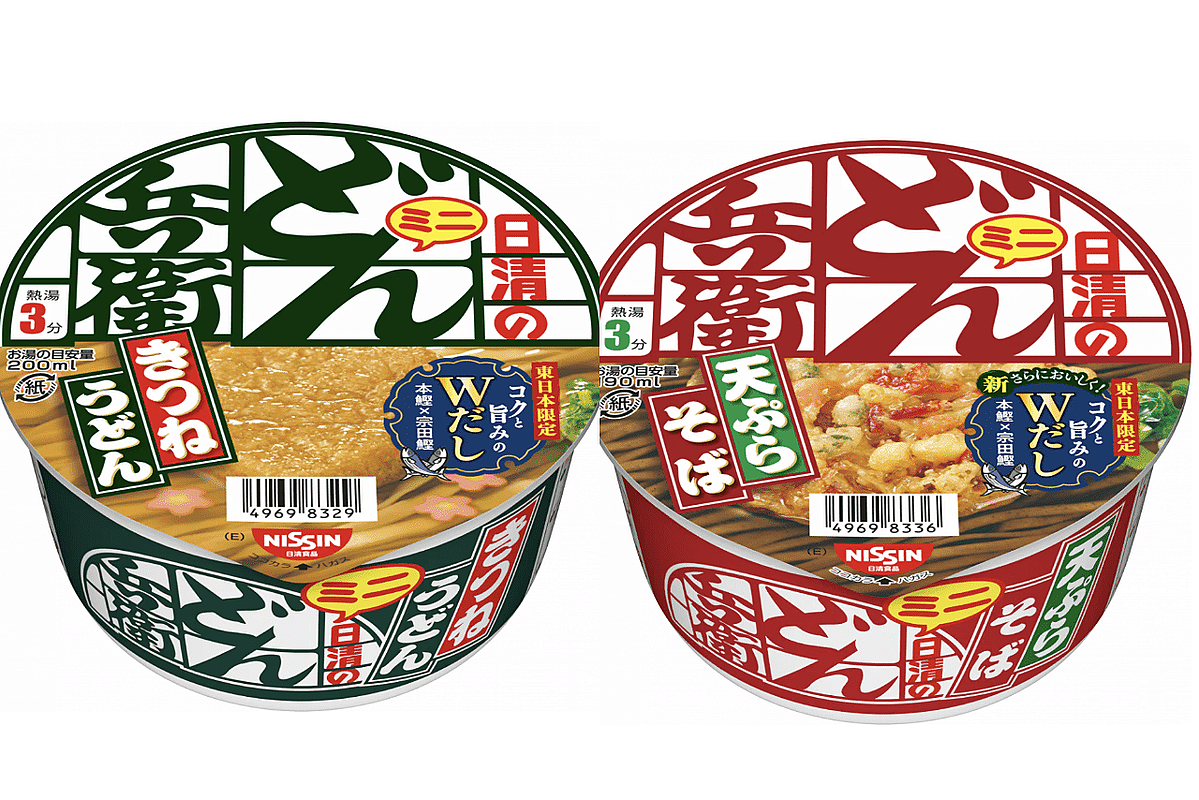
More than 2,500 items across Japan will see price increases starting in April. Coupled with ongoing 物価高 (bukka-daka, rising prices) and growing concerns over a possible 石油危機 (sekiyu kiki, oil crisis) linked to worsening conditions in the Middle East, consumers are now facing yet another wave of higher costs.
The reaction? A nationwide chorus of 悲鳴 (himei)—cries of distress—as daily life becomes more expensive.
A Simultaneous Wave of Price Hikes
Beginning in April, Japan will implement an 一斉値上げ (issei neage), a “simultaneous price increase,” affecting over 2,500 products.
The phrase 怒涛の値上げラッシュ (dotō no neage rasshu) was used to describe the situation. Literally, 怒涛 (dotō) means “raging waves,” but figuratively it refers to a surging rush—like waves crashing one after another. That imagery captures how relentless these price hikes feel to consumers.
What’s Going Up?
First, cooking oil prices will rise 原材料やエネルギー価格の上昇を受けて—“in response to increases in raw material and energy costs.”
Here, 原材料 (genzairyō) means “raw materials,” a word you’ll often see in business and economic news.
In addition, Daio Paper (大王製紙), a major manufacturer of household and commercial paper products such as tissues and toilet paper, announced it will 引き上げる (hikiageru, raise) prices by more than 10% from current levels.
That means everyday essentials—items used in nearly every Japanese home—are becoming significantly more expensive.
Why This Matters in Japan
Japan has experienced long periods of relatively stable or even stagnant prices in the past. For many people, especially older generations, frequent price increases feel unfamiliar and unsettling.
The article notes that these new increases come 物価高に加えて—“in addition to” ongoing inflation. This layering effect makes the impact heavier. It’s not just one category of goods; it’s food, daily necessities, and potentially more.
When news articles use emotionally charged words like 悲鳴 (himei), they’re emphasizing the psychological strain as much as the financial one.
Learn Japanese from This Article
Let’s break down the key vocabulary and grammar that appeared in this news story.
Key Vocabulary
| Japanese | Romaji | Meaning |
|---|---|---|
| 物価高 | bukka-daka | rising prices; inflation |
| 石油危機 | sekiyu kiki | oil crisis |
| 一斉値上げ | issei neage | simultaneous price increase |
| 怒涛 | dotō | surging waves; rush (figurative) |
| 悲鳴 | himei | scream; cry of distress |
| 原材料 | genzairyō | raw materials |
| 引き上げる | hikiageru | to raise; to increase |
Notice how many of these words are compound kanji terms. Understanding the building blocks can help you guess meanings in future articles.
Grammar Spotlight ①: 〜に加えて
Meaning: in addition to; coupled with
Structure: Noun + に加えて
Example from the article:
- 物価高に加えて、さらなる値上げが実施される。 Bukka-daka ni kuwaete, saru naru neage ga jisshi sareru. In addition to rising prices, further price increases will be implemented.
More examples:
- 雨に加えて、風も強い。 Ame ni kuwaete, kaze mo tsuyoi. In addition to rain, the wind is strong.
This pattern is very common in news writing because it shows layered causes or compounding problems.
Grammar Spotlight ②: 〜を受けて
Meaning: in response to; due to (receiving influence from)
Structure: Noun + を受けて
Example from the article:
- 原材料やエネルギー価格の上昇を受けて、食用油が値上がりする。 Genzairyō ya enerugī kakaku no jōshō o ukete, shokuyō abura ga neagari suru. Cooking oil prices are rising in response to increases in raw material and energy costs.
More examples:
- 発表を受けて、株価が動いた。 Happyō o ukete, kabuka ga ugoita. Stock prices moved in response to the announcement.
You’ll see 〜を受けて frequently in business and political reporting.
Useful Expression
- 値上げラッシュ (neage rasshu) — a rush or wave of price hikes
- 悲鳴が続出している (himei ga zokushutsu shite iru) — cries of distress are appearing one after another
These are powerful expressions often used in headlines to convey urgency and emotional impact.
Continue Learning
📚 Working on your reading skills? Our Introduction to Kanji: Pictorial Foundations of Japanese Script lesson is a great next step.
Introduction to Kanji: Pictorial Foundations of Japanese Script
📚 To understand more about culture, explore our Honorifics: Keigo for Respectful Dialogue lesson.
📚 Want to learn more about culture? Check out our lesson on Basic Vocabulary Building: Embracing Words Without Latin Ties.
Basic Vocabulary Building: Embracing Words Without Latin Ties
これからもよろしくお願いします。 Kore kara mo yoroshiku onegaishimasu.