
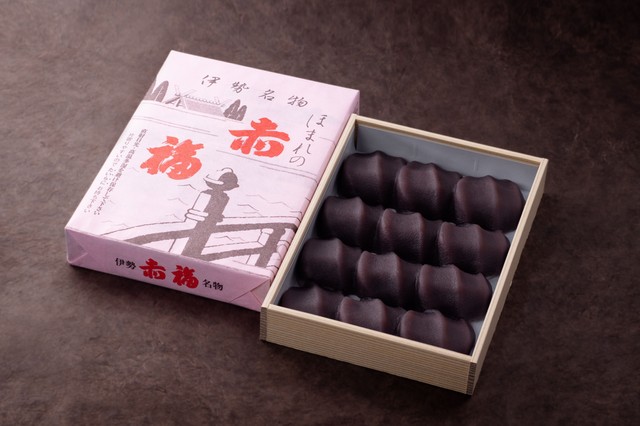
On March 28, 2026, the long-established Ise confectionery maker Akafuku began a limited-time sale at Tokyo Station—and fans in the Kanto region couldn’t contain their excitement.
The company, a 老舗 (shinise) wagashi (traditional Japanese sweets) maker based in Ise City, Mie Prefecture, is known for its iconic 名物 (meibutsu) sweet, 赤福餅 (Akafuku mochi). Because its regular sales areas are limited to the Tokai and Kinki regions, many fans 在住 (zaijū) in Kanto rarely get the chance to buy it. This time, however, they finally can—and the reaction has been pure 歓喜 (kanki), or delight.
Some customers reportedly said, “I got it!” while others described “an amazing line” and even “100 people waiting.”
Where Is It Being Sold?
The pop-up shop is located outside the ticket gates—改札外 (kaisatsu-gai)—at the Yaesu North Exit of Tokyo Station, inside Tokyo Gift Palette’s “WEEKLY PALETTE” area.
In addition to the classic 赤福餅 (Akafuku mochi) and 白餅黑餅 (shiro mochi kuro mochi), the company is also offering:
- 桜どらやき (sakura dorayaki), appearing at Tokyo Station for the first time
- 饌お米のせんべい (sen okome no senbei), a rice cracker made by puffing rice, seasoning it with Ise soy sauce, and baking it without frying
According to the company, this rice cracker is characterized by its light texture and pleasant 香ばしさ (kōbashisa), that roasted, savory fragrance so beloved in Japanese snacks.
Why This Is Such Big News
Akafuku is not just any sweet brand. Founded in Ise, home of the famous Ise Grand Shrine, it carries strong cultural significance. For many Japanese people, especially those who have visited Ise, Akafuku mochi is a nostalgic taste of travel and tradition.
However, its regular sales area is 東海や近畿地方と限られている (Tōkai ya Kinki chihō to kagirarete iru)—limited to the Tokai and Kinki regions. Because of this geographical restriction, Kanto residents often cannot buy it locally.
That regional exclusivity makes this 期間限定 (kikan gentei, limited-time-only) Tokyo Station sale feel like a special event rather than an ordinary product launch. Long lines are almost expected when a famous regional sweet appears in the capital.
Cultural Context: Regional Sweets and Limited Sales
In Japan, many traditional sweets are closely tied to specific regions. These 名物 (meibutsu) products often serve as souvenirs, and some companies intentionally keep their sales areas restricted to preserve regional identity.
You’ll frequently see the phrase 〜と限られている in news articles about such cases. It emphasizes that something is officially limited or restricted.
Limited-time sales—期間限定—also create urgency. Seasonal flavors like 桜 (sakura, cherry blossom) are especially popular in spring, adding to the excitement.
Learn Japanese from This Article
Key Vocabulary
| Japanese | Romaji | Meaning |
|---|---|---|
| 老舗 | shinise | long-established shop |
| 名物 | meibutsu | local specialty; famous product |
| 期間限定 | kikan gentei | limited time only |
| 在住 | zaijū | residing in |
| 歓喜 | kanki | delight; great joy |
| 改札外 | kaisatsu-gai | outside the ticket gates |
| 香ばしさ | kōbashisa | aromatic roastiness; savory fragrance |
Try saying: 関東在住のファンから歓喜の声が上がっています。 Kantō zaijū no fan kara kanki no koe ga agatte imasu. “Voices of delight are rising from fans living in Kanto.”
Grammar Spotlight
1️⃣ 〜と限られている
Meaning: to be limited to; restricted to
Structure: Noun + と限られている
Example from the article: 通常の販売エリアは東海や近畿地方と限られている。 Tsūjō no hanbai eria wa Tōkai ya Kinki chihō to kagirarete iru. “The regular sales area is limited to the Tokai and Kinki regions.”
This structure often appears in formal writing and news.
2️⃣ 〜ため
Meaning: because of; due to (formal written style)
Structure: Noun + のため Verb (plain form) + ため
Example: 販売エリアが限られているため、関東ではあまり買えません。 Hanbai eria ga kagirarete iru tame, Kantō de wa amari kaemasen. “Because the sales area is limited, you can’t usually buy it in Kanto.”
You’ll see 〜ため frequently in news reports and official explanations.
Useful Expression
買えました! Kaemashita! “I was able to buy it!”
A simple but emotionally powerful phrase you’ll hear during limited releases and popular events.
Continue Learning
- Working on your reading skills? Our Introduction to Kanji: Pictorial Foundations of Japanese Script lesson is a great next step.
- Curious about the Japanese used here? Our Honorifics: Keigo for Respectful Dialogue lesson covers this in depth.
- To understand more about culture, explore our Basic Vocabulary Building: Embracing Words Without Latin Ties lesson.
Regional sweets, long lines, and the thrill of a limited-time sale—this story shows how language, culture, and food connect in everyday Japan. When you learn words like 老舗 and 名物, you’re not just memorizing vocabulary—you’re understanding how tradition lives on in modern life.
これからもよろしくお願いします。 Kore kara mo yoroshiku onegaishimasu.