
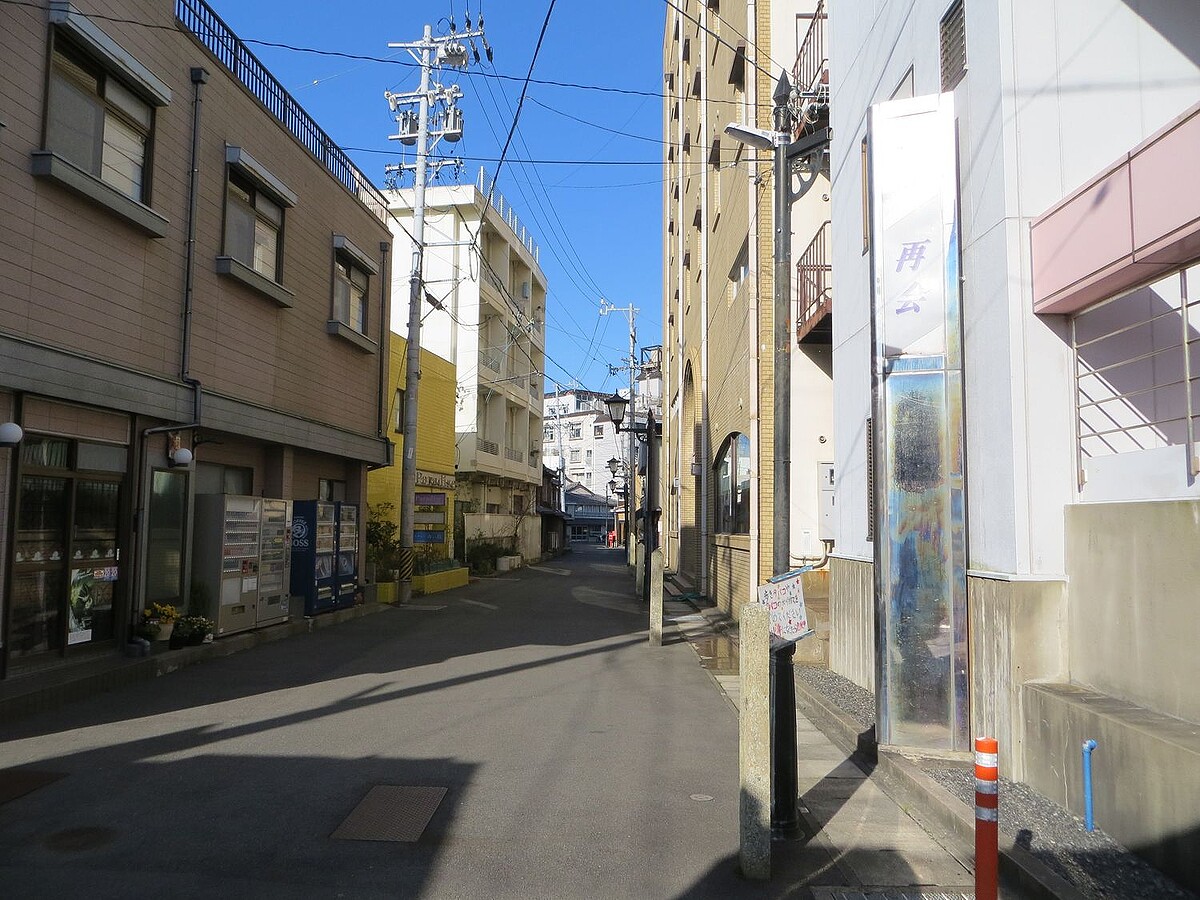
That is how the situation of 渡鹿野島 (わたかのじま, Watakanojima) in Mie Prefecture is described today. Once known as a place that 栄えた (sakaeta) — flourished — as a so-called “prostitution island,” it later 手放す (tebanasu) that business. But what awaited the island after that decision was not a tourism revival. Instead, it faced 人口流出 (jinkō ryūshutsu) and 高齢化 (kōreika): population decline and rapid aging.
This article is adapted from an 一部抜粋 (ichibu bassui, excerpt) of non-fiction writer Takagi Mizuho’s new book ルポ 風俗の誕生 (Report: The Birth of the Sex Industry), published by Seidansha Publico.
From Prosperity to Letting Go
渡鹿野島 once prospered through what the article calls a “売春ビジネス” (ばいしゅんビジネス, baishun bijinesu) — a prostitution business. The island became widely associated with that industry, earning the nickname “売春島” (ばいしゅんじま, baishun-jima).
However, the island eventually chose to 手放す (tebanasu) — let go of — that business.
In Japanese, 手放す literally means “to release from one’s hand,” but it often carries emotional weight. It can suggest giving something up deliberately, even if it once brought profit or security.
The expectation might have been that after this “cleanup,” tourism or some other form of local industry would take its place.
But the article makes it clear: that is not what happened.
What Awaited After “Purification”
The text uses a powerful expression: そのビジネスを手放した先に待っていたのは… sono bijinesu o tebanashita saki ni matte ita no wa… “What awaited after letting go of that business was…”
What followed was not recovery — but 人口流出 (jinkō ryūshutsu) and 高齢化 (kōreika).
- 人口流出 means “population outflow.” People leaving.
- 高齢化 refers to an aging population, with fewer young people and more elderly residents.
The article also uses the word 浄化 (jōka), meaning “purification” or “cleanup.” This suggests that ending the prostitution industry was seen as a moral or social cleansing.
Yet, after this 浄化, the island faced a difficult 現実 (genjitsu) — reality:
- There are no jobs.
- Young people do not return.
The text summarizes the situation with a stark phrase:
観光の再生ではなく、人口流出と高齢化という現実だった。 Kankō no saisei de wa naku, jinkō ryūshutsu to kōreika to iu genjitsu datta. “It was not a revival of tourism, but the reality of population outflow and aging.”
Cultural Context: Rural Japan and Aging
渡鹿野島’s situation reflects a broader national issue. Across Japan, many rural communities face:
- Declining birthrates
- Youth migration to cities
- Shrinking local economies
The word 高齢化 (kōreika) appears constantly in Japanese news. It is not just a demographic term — it describes a social transformation. Schools close. Shops disappear. Public services shrink.
In this case, the island’s economic identity had been tied to one controversial industry. Once that was removed through 浄化, there was no clear replacement.
The result was not moral triumph or economic rebirth — but demographic decline.
That tension — between ethics, economics, and survival — is at the heart of this report.
Learn Japanese from This Article
Let’s break down key vocabulary and grammar you can actively use.
Key Vocabulary
| Japanese | Romaji | Meaning |
|---|---|---|
| 栄えた | sakaeta | prospered; flourished |
| 手放す | tebanasu | to let go of; to give up |
| 人口流出 | jinkō ryūshutsu | population outflow |
| 高齢化 | kōreika | aging (of the population) |
| 浄化 | jōka | purification; cleanup |
| 現実 | genjitsu | reality |
| 一部抜粋 | ichibu bassui | excerpt; partial quotation |
Try making your own sentence:
- 地方は高齢化が進んでいる。 Chihō wa kōreika ga susunde iru. “Rural areas are aging.”
Grammar Spotlight
1️⃣ 〜た先に
Meaning: What awaited after doing ~; the outcome after ~
Structure: Verb (past tense) + 先に
Example from the article:
- 手放した先に待っていたのは、人口流出だった。 Tebanashita saki ni matte ita no wa, jinkō ryūshutsu datta. “What awaited after letting go was population decline.”
More examples:
- 会社を辞めた先に、新しい挑戦があった。 Kaisha o yameta saki ni, atarashii chōsen ga atta. “After quitting the company, a new challenge awaited.”
This pattern is powerful in storytelling and news writing.
2️⃣ 〜という現実
Meaning: The reality that ~; the fact that ~
Structure: Clause + という現実
Example:
- 若者が戻らないという現実。 Wakamono ga modoranai to iu genjitsu. “The reality that young people do not return.”
More examples:
- 人口が減っているという現実を受け入れる。 Jinkō ga hette iru to iu genjitsu o ukeireru. “To accept the reality that the population is decreasing.”
This structure is extremely common in serious journalism and essays.
Useful Expression
〜ではなく…だった “Not ~, but ~”
- 観光の再生ではなく、人口流出だった。 “It was not tourism revival, but population outflow.”
A very common contrast pattern in news writing.
Continue Learning
📚 Working on your reading skills? Our Introduction to Kanji: Pictorial Foundations of Japanese Script lesson is a great next step.
Introduction to Kanji: Pictorial Foundations of Japanese Script
📚 Ready to dive deeper? Our lesson on Honorifics: Keigo for Respectful Dialogue will help you master these concepts.
📚 Curious about the Japanese used here? Our Basic Vocabulary Building: Embracing Words Without Latin Ties lesson covers this in depth.
Basic Vocabulary Building: Embracing Words Without Latin Ties
これからもよろしくお願いします。 Kore kara mo yoroshiku onegaishimasu.