
On March 24, 2026, travel agency Tobu Top Tours released an official 声明 (seimei, statement) on its website regarding a fatal boat accident off the coast of Henoko in Okinawa.
The company began with a formal apology: 「ご報告が遅れましたことを、お詫び申し上げます」 (Gohōkoku ga okuremashita koto o, owabi moushiagemasu.) — “We humbly apologize for the delay in reporting.”
What Happened Off the Coast of Henoko
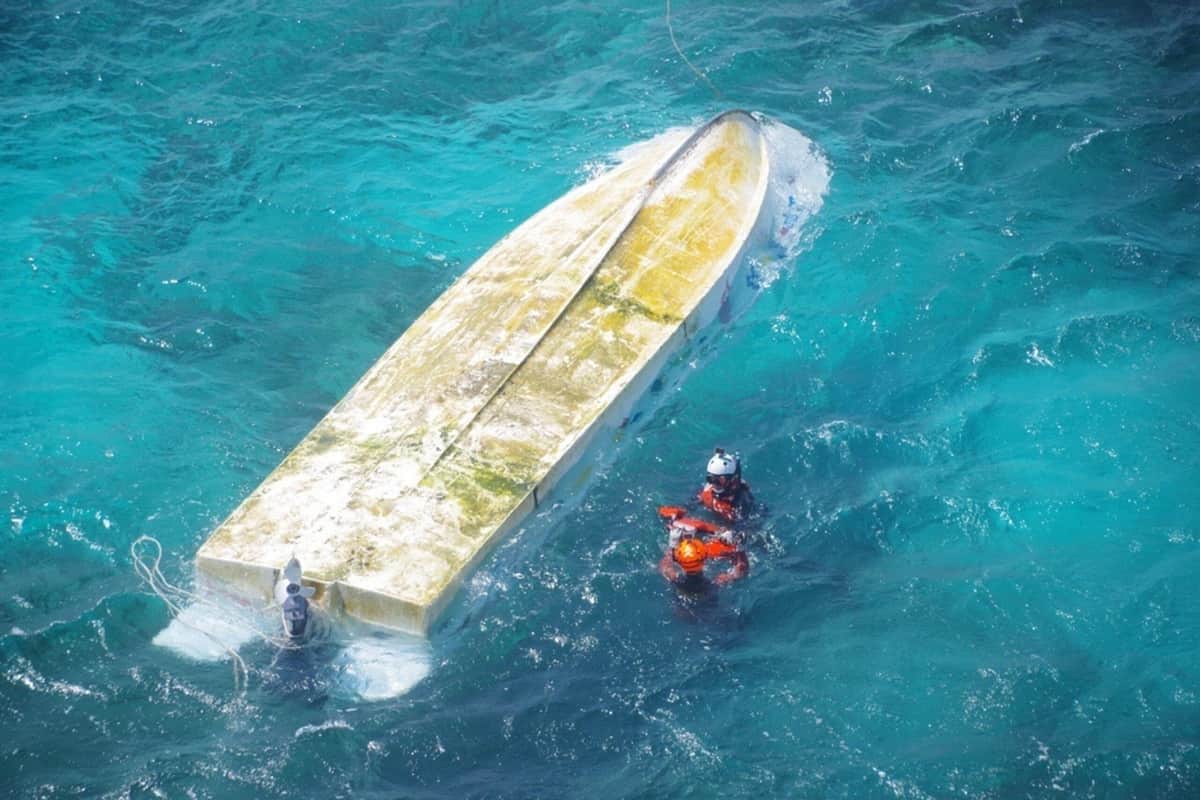
The accident occurred on March 16, off the coast of Henoko in Nago City, Okinawa Prefecture. A boat carrying students from Doshisha International High School in Kyoto Prefecture overturned during a school trip activity.
The students were participating in 平和学習 (heiwa gakushū, peace studies), an educational program often included in Japanese school trips, especially in Okinawa. During the incident, the boat 転覆 (tenpuku, capsized), resulting in the deaths of the male captain and a female student.
According to reports, the vessel had normally been used as a 抗議船 (kōgisen, protest boat) opposing the relocation of the U.S. Marine Corps Air Station Futenma to Henoko. It was also revealed that the boat did not have the required business registration under Japanese law — a fact that later 明らかになった (akiraka ni natta, became clear).
On March 24, the same day the company issued its statement, the high school held a 保護者説明会 (hogosha setsumeikai, briefing session for parents and guardians).
The Company’s Statement
In its 声明 (seimei), Tobu Top Tours addressed the accident 〜について (ni tsuite, regarding/about) the school trip and expressed regret for the delayed communication.
The phrase they used, お詫び申し上げます (owabi moushiagemasu), is an especially polite and humble form of apology. It reflects formal business Japanese, particularly in serious situations involving public responsibility.
The wording signals both acknowledgment of the situation and adherence to Japan’s cultural expectations of corporate accountability.
Cultural Context: Peace Studies in Okinawa
Okinawa plays a unique role in modern Japanese history. It was the site of one of the fiercest battles of World War II, and today it hosts a significant U.S. military presence.
Because of this history, many Japanese schools include 平和学習 (heiwa gakushū) in their curriculum. Students visit Okinawa to learn about war history, peace movements, and current issues related to U.S. military bases.
Henoko, in particular, has been at the center of controversy due to the planned relocation of Futenma Air Station. The mention of a 抗議船 (kōgisen) highlights how local activism intersects with education and tourism in this region.
Understanding these background elements helps you see why this incident carries social and political weight beyond a single tragic event.
Learn Japanese from This Article
Key Vocabulary
| Japanese | Romaji | Meaning |
|---|---|---|
| 声明 | seimei | official statement |
| お詫び申し上げます | owabi moushiagemasu | I humbly apologize |
| 転覆 | tenpuku | capsizing, overturning |
| 平和学習 | heiwa gakushū | peace studies |
| 抗議船 | kōgisen | protest boat |
| 明らかになる | akiraka ni naru | to become clear; to be revealed |
| 保護者説明会 | hogosha setsumeikai | briefing session for parents |
Notice how many of these words are written in kanji compounds. Even if they look complex, they’re built from meaningful characters. For example:
- 平和 (heiwa) = peace
- 学習 (gakushū) = study/learning
Together: “peace studies.”
Grammar Spotlight
1️⃣ 〜について — “regarding; about”
Structure: [Topic] + について
Example from this context:
- 事故について声明を発表しました。 Jiko ni tsuite seimei o happyō shimashita. “They issued a statement regarding the accident.”
You’ll see 〜について constantly in news reports and formal announcements.
2️⃣ 〜ことを、お詫び申し上げます — “I humbly apologize for…”
Structure: [Clause in plain form] + ことを、お詫び申し上げます
Example from the article:
- ご報告が遅れましたことを、お詫び申し上げます。 Gohōkoku ga okuremashita koto o, owabi moushiagemasu. “We humbly apologize for the delay in reporting.”
This is highly formal keigo (honorific language). It’s commonly used in official corporate or public apologies.
Useful Expression
明らかになる (akiraka ni naru) — “to become clear”
- 事実が明らかになりました。 Jijitsu ga akiraka ni narimashita. “The facts became clear.”
This pattern is frequently used in journalism when new information is revealed.
Continue Learning
- Working on your reading skills? Our Introduction to Kanji: Pictorial Foundations of Japanese Script lesson is a great next step.
- Curious about the Japanese used here? Our Honorifics: Keigo for Respectful Dialogue lesson covers this in depth.
- Curious about the Japanese used here? Our Basic Vocabulary Building: Embracing Words Without Latin Ties lesson covers this in depth.
News articles like this expose you to formal structures, compound kanji, and the kinds of expressions used in real-world Japanese society. By reading carefully and breaking down phrases, you're learning Japanese the way it’s actually used — not simplified textbook dialogue.
これからもよろしくお願いします。 Kore kara mo yoroshiku onegaishimasu.