
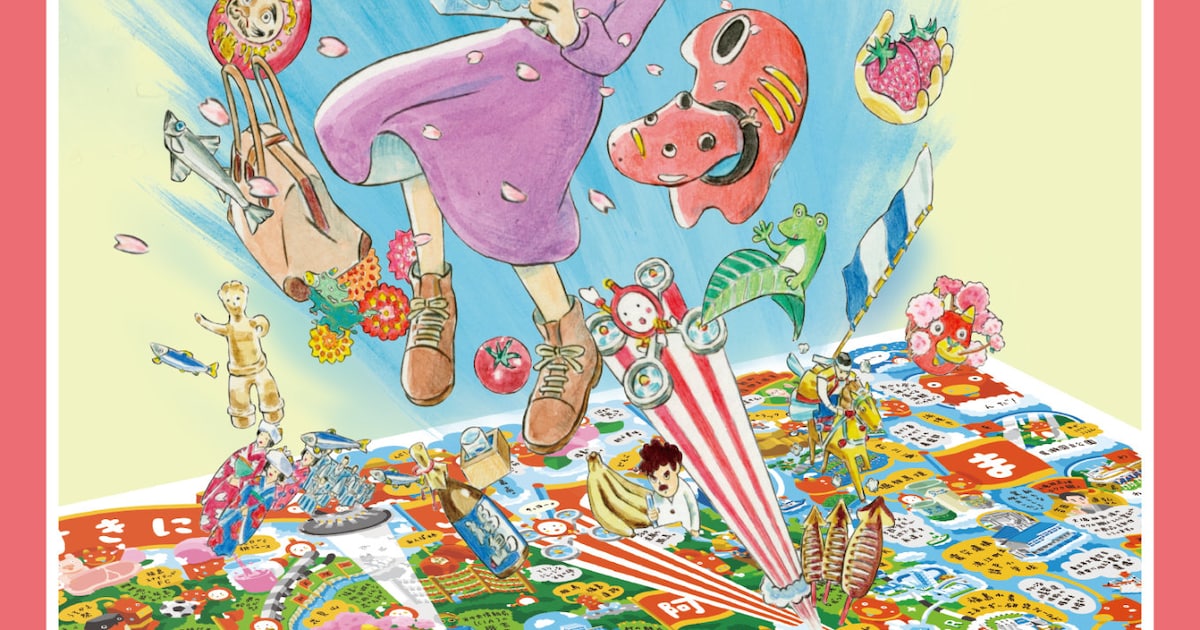
On March 24, director Katabuchi Sunao’s new short animated film 「ふくふくの地図」 (Fukufuku no Chizu, “The Map of Fukufuku”) was officially 公開 (koukai, released) on a special website and Fukushima Prefecture’s official YouTube channel.
Known for the acclaimed film 「この世界の片隅に」 (Kono Sekai no Katasumi ni, In This Corner of the World), Katabuchi returns with a gentle but profound story that turns its gaze toward Fukushima—15 years after the Great East Japan Earthquake.
A Story Rooted in Fukushima
「ふくふくの地図」 was created as a special project of the ふくしままっぷ友の会 (Fukushima Map Friends Association), launched in December 2024. The film was produced 〜を目的に (…o mokuteki ni, for the purpose of…) sharing the appeal of the comprehensive information magazine ふくしままっぷ with a wider audience.
At the heart of the story is Sophie, a French philosopher visiting Fukushima for the first time to attend a friend’s wedding. She loses the map she was relying on and finds herself stranded—until a mysterious “friend” and a single “map” appear before her.
As she walks, guided by this encounter, she takes detours and gradually realizes something important: everything she sees—the landscapes, crafts, food, and architecture—has been passed down by human hands. These are not just objects or scenery. They are culture.
In Japanese, you might describe this as culture that 息づく (ikizuku, lives and breathes) in the land, culture that is deeply 根差す (nezassu, rooted) in place.
A Milestone: 15 Years After the Earthquake
The year 2026 marks a 節目 (fushime, milestone or turning point): 15 years since the 2011 disaster.
Katabuchi has long engaged with disaster-affected regions. In 2013, he directed animation for NHK’s reconstruction support song 「花は咲く」 (Hana wa Saku, “Flowers Will Bloom”). For this new film, he once again traveled through Fukushima, conducting ロケハン (rokehan, location scouting) in more than 20 spots across Hamadori, Nakadori, and Aizu.
This time, he did so 〜を手に (…o te ni, with … in hand)—specifically, with a copy of Fukushima Map in hand.
Through these visits, he says he was reminded that each item filling the pages of the map—traditional crafts like 赤べこ (akabeko, a red cow folk toy), historic buildings, local foods, even trees hundreds of years old—exists because of generations of human effort.
“Human life, human hands—these are what make these things possible,” Katabuchi commented.
The film brings together the creative team from In This Corner of the World: character concepts by manga artist Kōno Fumiyo and music by Kotoringo, who also provides the theme song. Kotoringo shared that she composed the music as if traveling alongside Sophie, expressing gratitude and hoping both locals and new audiences would feel joy.
The Gaze That Connects Past and Present
One word that quietly defines this project is まなざし (manazashi), meaning “gaze” or “way of looking.”
Katabuchi’s manazashi has consistently focused on ordinary lives and overlooked histories. Here, that gaze meets the worldview cherished by Fukushima Map: stories that live in the land and are carefully 紡がれてきた (tsumugarete kita, have been woven or spun) over time.
Interestingly, Sophie is described as someone who easily loses her way. Yet it is through getting lost—through detours—that she discovers the richness around her. Katabuchi calls the film “a story of blessing.”
In Japanese storytelling, detours often symbolize discovery. The idea that meaning is found not in efficiency but in wandering reflects a deeply rooted cultural sensibility.
Learn Japanese from This Article
Let’s look at some key vocabulary and grammar that appeared in this news.
Key Vocabulary
| Japanese | Romaji | Meaning |
|---|---|---|
| 公開 | koukai | release; make public |
| ロケハン | rokehan | location scouting |
| 節目 | fushime | milestone; turning point |
| 息づく | ikizuku | to live on; to breathe within |
| 根差す | nezassu | to be rooted in |
| 紡ぐ | tsumugu | to spin; to weave (stories, history) |
| まなざし | manazashi | gaze; way of looking |
Notice how many of these words are used to describe culture and time. Japanese often expresses history as something living and breathing.
Grammar Spotlight
1. 〜を目的に
Structure: Noun + を目的に
Meaning: For the purpose of ~
Example from the article context:
- 福島の魅力を伝えることを目的に制作された。 Fukushima no miryoku o tsutaeru koto o mokuteki ni seisaku sareta. It was produced for the purpose of sharing Fukushima’s appeal.
You’ll see this structure frequently in news writing.
2. 〜を手に
Structure: Noun + を手に
Meaning: With ~ in hand
Example:
- ふくしままっぷを手に、県内を回った。 Fukushima mappu o te ni, kennai o mawatta. He traveled around the prefecture with the Fukushima Map in hand.
This expression creates a vivid image—very common in narrative writing.
Useful Expression
- 土地に息づく物語 Tochi ni ikizuku monogatari Stories that live and breathe in the land.
This poetic phrasing is typical of cultural and promotional writing in Japan. It reflects how place and identity are often inseparable in Japanese thought.
Continue Learning
Working on your reading skills? These lessons will help you go deeper:
- Katakana Essentials: Adapting Global Words to Japanese
- Introduction to Kanji: Pictorial Foundations of Japanese Script
- Basic Vocabulary Building: Embracing Words Without Latin Ties
Short films like 「ふくふくの地図」 remind us that language, like culture, is something people create and pass down over time. As you continue your Japanese journey, you’re becoming part of that ongoing story.
これからもよろしくお願いします。 Kore kara mo yoroshiku onegaishimasu.