
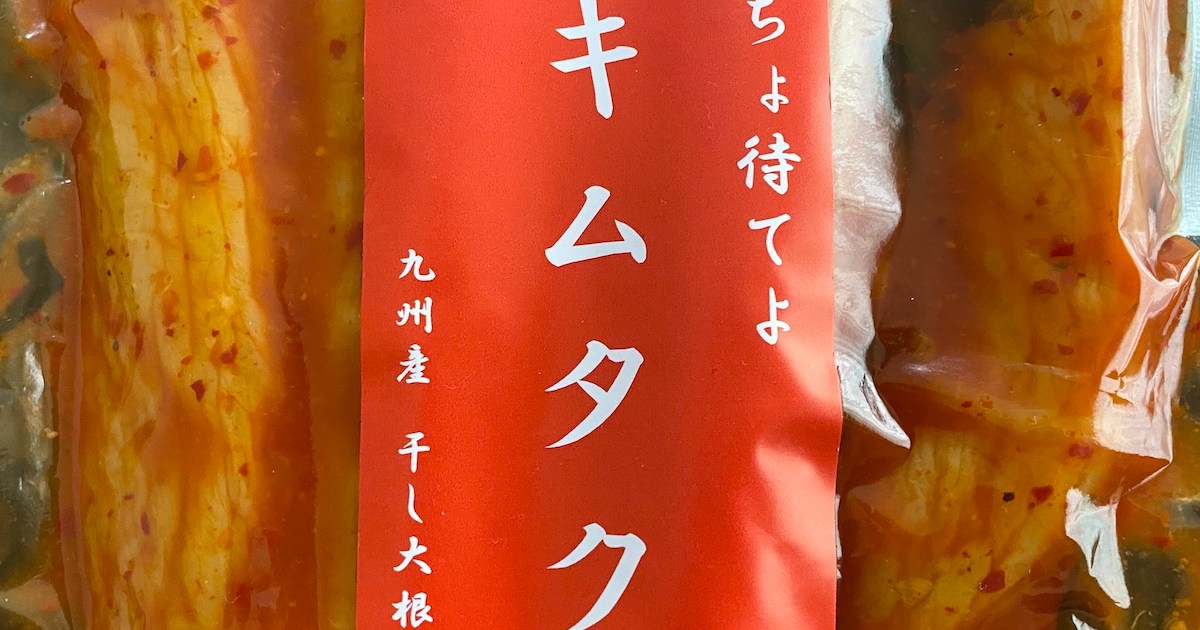
That’s how the story begins. In an age of 物価高 (bukkadaka), or rising prices, seeing “Kimutaku” for just 540 yen (three digits!) is surprising enough. But this wasn’t a celebrity sighting. It was something even more unexpected — and delicious.
Let’s unpack what was really being sold in Beppu.
540-Yen “Kimutaku” in Beppu
The discovery happened in Beppu City, Oita Prefecture, at the Uwajima Unyu Ferry terminal. Inside the facility was a small 売店 (baiten), a kiosk-style shop often found in stations and ports.
While browsing casually, the writer noticed a product with a pop sign that read:
「ちょ待てよ」 Cho mate yo. “Hey, wait a second!”
Fans of Japanese pop culture may recognize this as a famous line associated with Kimura Takuya (nicknamed “Kimutaku”), one of Japan’s most well-known actors.
At that point, there was only one logical response: buy it.
Why Is It Called “Kimutaku”?
Curious, the writer asked the shop clerk:
──どうしてキムタクなんですか? Doushite Kimutaku nan desu ka? “Why is it called Kimutaku?”
The clerk replied:
「キム(チ)たく(あん)なんです。名前も面白いですけど、味もいいですよ。」 Kimu(chi) taku(an) nan desu. Namae mo omoshiroi desu kedo, aji mo ii desu yo. “It’s kimchi + takuan. The name is funny, but it tastes good too.”
That’s it. No complicated backstory — just a direct combination of キムチ (kimuchi, kimchi) and たくあん (takuan, pickled daikon radish).
It’s also made by a local pickle shop in Beppu, making it a regional 名産 (meisan), or specialty product.
Sometimes Japanese wordplay is wonderfully straightforward.
Tasting the Beppu “Kimutaku”
Inside the package were four large pieces of daikon kimchi.
Before tasting it, the expectation was modest: “Well, it’s daikon kimchi. It probably won’t be insanely good.”
But after one bite?
「ちょ待てよ」 — in the best possible way.
The seasoning was lighter than expected, with a subtle sweetness that made it addictive. The crunchy 歯応え (hagoatae) was deeply satisfying.
It pairs well with rice, of course — the 相性 (aishou), or compatibility, is excellent. It also goes great with alcohol. A true all-around player.
Before long, the entire package had been eaten.
The product was sold at room temperature and had a relatively long 賞味期限 (shoumikigen), or best-before date (though it should be refrigerated after opening). The writer even thought, “I should’ve bought more…”
Cultural Context: Wordplay and Pickles in Japan
Japanese product names often rely on puns and playful combinations. “Kimutaku” is especially clever because it echoes the nickname of a hugely famous celebrity while literally describing the ingredients.
As for 漬物 (tsukemono, Japanese pickles), they’re a core part of traditional meals. From school lunches to home cooking, pickled vegetables add texture, contrast, and balance.
Even today, local pickle shops remain common throughout Japan, each region producing its own variations. Discovering a unique pickle like this in Beppu highlights how deeply rooted food culture is in everyday Japanese life.
Learn Japanese from This Article
Key Vocabulary
| Japanese | Romaji | Meaning |
|---|---|---|
| 物価高 | bukkadaka | rising prices, inflation |
| 売店 | baiten | shop, kiosk |
| 名産 | meisan | local specialty product |
| 漬物 | tsukemono | Japanese pickles |
| 賞味期限 | shoumikigen | best-before date |
| 歯応え | hagoatae | crunchy texture |
| 相性 | aishou | compatibility; goes well with |
Try using them in your own sentence:
この漬物はご飯との相性がいいです。 Kono tsukemono wa gohan to no aishou ga ii desu. “This pickle goes well with rice.”
Grammar Spotlight
1️⃣ 〜てみる (to try doing something)
This pattern expresses trying something out.
買ってみる Katte miru “To try buying (it)”
From the title: キムタクが540円で売られていたので買ってみた。 Kimutaku ga 540-en de urarete ita node katte mita. “Kimutaku was being sold for 540 yen, so I tried buying it.”
Structure: Verb (て-form) + みる
Examples:
食べてみます。 Tabete mimasu. “I’ll try eating it.”
使ってみたいです。 Tsukatte mitai desu. “I want to try using it.”
2️⃣ 〜てしまう (to do completely / unintentionally)
This pattern often shows completion or something happening before you realize it.
From the article context:
全部食べてしまった。 Zenbu tabete shimatta. “I ended up eating it all.”
Structure: Verb (て-form) + しまう
Examples:
忘れてしまいました。 Wasurete shimaimashita. “I accidentally forgot.”
飲んでしまった。 Nond e shimatta. “I drank it all (before I knew it).”
This grammar is extremely common in everyday Japanese conversation.
Useful Expression
ちょ待てよ Cho mate yo “Hey, wait a second!”
A casual, masculine-sounding phrase. Standard form: ちょっと待ってよ (Chotto matte yo)
You’ll hear shortened speech like this often in casual Japanese — especially in pop culture.
Continue Learning
📚 Want to understand the verb forms used here? Check out Masu Form: Mastering Polite Everyday Speech.
📚 Curious about the Japanese used here? Our Greetings and Self-Introductions: Authentic Entry Phrases lesson covers this in depth.
📚 To understand more about lifestyle, explore our Basic Vocabulary Building: Embracing Words Without Latin Ties lesson.
Basic Vocabulary Building: Embracing Words Without Latin Ties
これからもよろしくお願いします。 Kore kara mo yoroshiku onegaishimasu.