
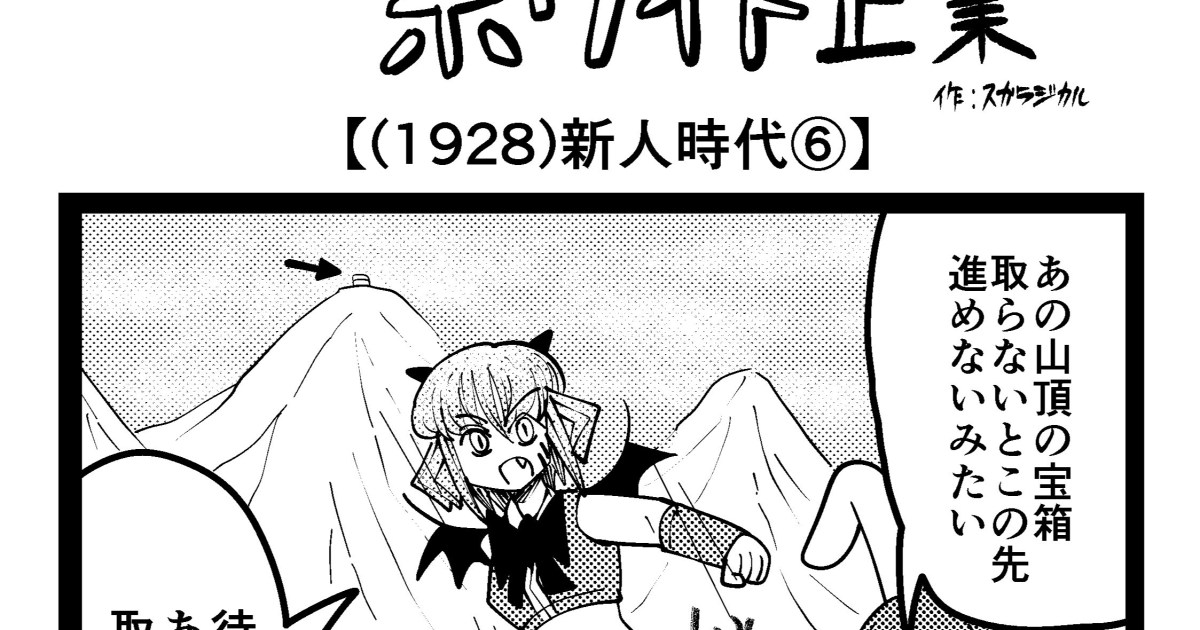
On March 14, 2026, Rocket News published episode 1928 of the popular 4-panel series titled 【4コマ】魔王軍はホワイト企業 1928話目「新人時代⑥」—a long-running 漫画 (manga, comic) that continues to delight readers with its unique premise.
Drawn by スガラジカル, this installment marks yet another chapter in the comedic workplace story of the Demon King’s army—reimagined as a surprisingly “white” company (a ホワイト企業, meaning a company with good working conditions).
You’ll also see navigation text commonly found on Japanese websites:
- 前の話へ (mae no hanashi e) — “To the previous episode”
- 第1回から読む (dai ikkai kara yomu) — “Read from episode 1”
- ▼キャラ一覧はこちら (kyara ichiran wa kochira) — “Character list here”
Even these small phrases are packed with useful, everyday Japanese.
What Is “魔王軍はホワイト企業”?
The title breaks down like this:
- 魔王軍 (maō-gun) — Demon King’s army
- ホワイト企業 (howaito kigyō) — “white company” (a company with healthy work conditions)
Literally: “The Demon King’s Army Is a White Company.”
It’s a clever contrast. In fantasy stories, a demon king’s army is usually evil and harsh. But here, it’s portrayed like an ideal Japanese workplace. That contrast is part of the humor.
This particular installment is labeled:
- 1928話目 (sen-kyūhyaku nijū-hachi wa-me) — “Episode 1928”
- 新人時代⑥ (shinjin jidai roku) — “Newcomer Days (6)”
So this is the sixth episode in a sub-series about someone’s “new employee” period.
Understanding the Website Phrases
Even though the content excerpt is short, it gives us real Japanese you’ll see all the time online.
1. 前の話へ (mae no hanashi e)
- 前 (mae) — before, previous
- 話 (hanashi) — story, episode
- 〜へ (e) — toward, to
This literally means “to the previous story.” It’s a navigation button.
Notice the pattern NのN:
- 前の話 — “the story of before” → “previous story”
We’ll explore this grammar more below.
2. 第1回から読む (dai ikkai kara yomu)
- 第〜回 (dai~kai) — counter for numbered events/episodes
- から (kara) — from
- 読む (yomu) — to read
This means “Read from episode 1.”
Here you see the grammar pattern:
Nから + Verb “Starting from N, do Verb”
So:
- 第1回から読む — “Read starting from episode 1”
This structure is incredibly common in Japanese. You’ll see it in instructions, schedules, and everyday conversation.
3. キャラ一覧はこちら (kyara ichiran wa kochira)
- 一覧 (ichiran) — list, overview
- こちら (kochira) — this way, here (polite)
This means “The character list is here.”
こちら feels polite and slightly formal. It’s often used on websites, in stores, or in customer service situations.
Cultural Context: 4コマ Manga in Japan
The title begins with 4コマ (yon-koma), meaning “four panels.”
A 4コマ漫画 (yon-koma manga) is a four-panel comic strip. This format is extremely popular in Japan and follows a classic structure:
- Setup
- Development
- Twist
- Punchline
You’ll find 4コマ in newspapers, magazines, and online media. They’re short, fast, and often focused on everyday life—making them perfect for language learners.
Because they’re brief, they also repeat vocabulary and character dynamics often, which helps reinforce language patterns naturally—just like Japanese children reading comics growing up.
Learn Japanese from This Article
Let’s break down the key words and patterns you can start using today.
Vocabulary
| Japanese | Romaji | Meaning |
|---|---|---|
| 漫画 | manga | comic, manga |
| 前 | mae | before, previous |
| 話 | hanashi | story, episode, talk |
| 第〜回 | dai~kai | counter for numbered occurrences |
| 読む | yomu | to read |
| 一覧 | ichiran | list, overview |
| こちら | kochira | this way; here (polite) |
Try saying them out loud. Japanese is rhythmic, and pronunciation becomes natural with repetition.
Grammar Spotlight ①: NのN (Noun + の + Noun)
This pattern connects two nouns. It can show possession, description, or relationship.
Structure:
N1のN2
Examples from the article:
- 前の話 mae no hanashi “previous episode” (literally: story of before)
More examples:
日本の漫画 nihon no manga “Japanese manga” (manga of Japan)
会社の一覧 kaisha no ichiran “company list”
This is one of the most essential structures in Japanese. Mastering it helps you sound natural immediately.
Grammar Spotlight ②: Nから + Verb
This expresses starting from a point.
Structure:
Nから + Verb
Example from the article:
- 第1回から読む dai ikkai kara yomu “Read from episode 1.”
More examples:
今日から勉強する。 kyō kara benkyō suru. “I will study starting today.”
ここから始めます。 koko kara hajimemasu. “We’ll start from here.”
This pattern is extremely common in daily Japanese—especially in instructions and announcements.
Useful Expression
こちら
You’ll hear this constantly in Japan:
こちらです。 kochira desu. “It’s this way.”
お手洗いはこちらです。 otearai wa kochira desu. “The restroom is this way.”
It sounds more polite than simply saying ここ (koko, “here”). Learning these subtle differences is how you move from textbook Japanese to authentic Japanese.
Continue Learning
Want to deepen your understanding?
- Masu Form: Mastering Polite Everyday Speech: Want to understand the verb forms used here? Check out Masu Form: Mastering Polite Everyday Speech.
- Greetings and Self-Introductions: Authentic Entry Phrases: Curious about the Japanese used here? Our Greetings and Self-Introductions: Authentic Entry Phrases lesson covers this in depth.
- Basic Vocabulary Building: Embracing Words Without Latin Ties: Want to learn more about lifestyle? Check out our lesson on Basic Vocabulary Building: Embracing Words Without Latin Ties.
Even a short webpage header can become a powerful Japanese lesson when you look closely. That’s how native learners grow—by reading small things every day.
これからもよろしくお願いします。 Kore kara mo yoroshiku onegaishimasu.