
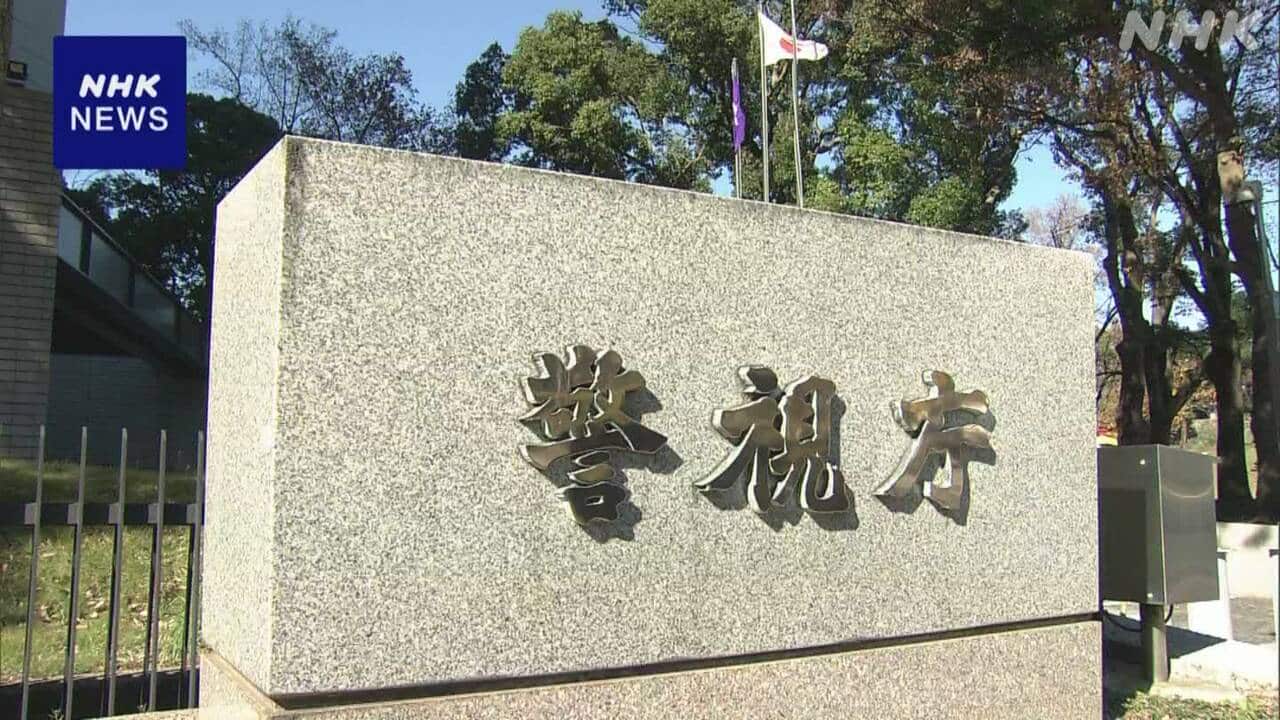
Approximately 4.5 million lost items were reported in Tokyo last year—the highest number ever recorded. Among them was cash totaling around 4.5 billion yen.
According to the Tokyo Metropolitan Police Department, the dramatic rise in lost property cases reflects changing conditions in the city, including an increase in foreign tourists.
A Record Number of Lost Items in Tokyo
The Tokyo Metropolitan Police Department announced that the number of 落とし物 (otoshimono, lost items) reported 都内 (tonai, within Tokyo) over the past year reached about 4.5 million cases.
In news language, this was described as 過去最多となる (kako saita to naru) — “becoming the highest ever.”
The total 件数 (kensuu, number of cases) set a new record. Among these lost items, the amount of 現金 (genkin, cash) alone 上った (nobotta, amounted to) approximately 4.5 billion yen.
To put that into perspective, that’s billions of yen in cash turning up at police stations across Tokyo.
Why So Many Lost Items?
The police believe that one major 背景 (haikei, background factor) behind this increase is the growing number of foreign visitors to Japan.
In news reports, this is expressed using the phrase:
- 外国人旅行者の増加などが背景にあるとみている。 Gaikokujin ryokōsha no zōka nado ga haikei ni aru to mite iru. “They believe that factors such as the increase in foreign tourists are behind it.”
The expression 〜とみている (to mite iru) is commonly used in journalism to show what authorities or experts believe based on current information.
Cultural Context: Lost and Found in Japan
Japan is internationally known for its efficient lost-and-found system. When people find wallets, phones, or even cash, they often bring them to a nearby police box, called 交番 (kōban, neighborhood police box).
Although the article does not give further details, the sheer scale—millions of items and billions of yen—highlights how structured and organized Japan’s reporting system is. Every item is counted and recorded, contributing to detailed annual statistics like this one.
For Japanese learners, this kind of news story is especially useful because it contains formal expressions and vocabulary that frequently appear in reports.
Learn Japanese from This Article
Key Vocabulary
| Japanese | Romaji | Meaning |
|---|---|---|
| 都内 | tonai | within Tokyo (metropolitan area) |
| 落とし物 | otoshimono | lost item |
| 件数 | kensuu | number of cases |
| 過去最多 | kako saita | highest ever; record high |
| 現金 | genkin | cash |
| 上る | noboru | to amount to; to reach (a figure) |
| 背景 | haikei | background; underlying factor |
Notice how many of these words are written in kanji. News articles rely heavily on compact, information-dense kanji compounds.
Grammar Spotlight
1. 〜となる (to become — formal expression)
This pattern is frequently used in news writing.
Structure: Noun + となる
Example from the article:
- 過去最多となる。 Kako saita to naru. “(It) becomes the highest ever.”
This sounds more formal than the everyday 〜になる (ni naru). You’ll often see 〜となる in headlines and official announcements.
Another example:
- 過去最高となった。 Kako saikō to natta. “It became the highest on record.”
2. 〜とみている (to believe; to consider that)
Structure: Clause + とみている
Used when authorities or experts are giving their assessment.
Example from the article:
- 外国人旅行者の増加などが背景にあるとみている。 Gaikokujin ryokōsha no zōka nado ga haikei ni aru to mite iru. “They believe that the increase in foreign tourists is a background factor.”
This is very common in Japanese news reports. It presents analysis in a cautious, objective tone.
Useful Expressions
Here are two practical phrases you might use in daily life:
落とし物をしました。 Otoshimono o shimashita. “I lost something.”
現金が入っています。 Genkin ga haitte imasu. “There is cash inside.”
These expressions could be useful if you ever need to visit a police box in Japan.
Continue Learning
To understand more about general Japanese reading topics, explore our Reading and Writing in Japanese II: Hiragana and Katakana lesson.
Working on your reading skills? Our Introduction to Kanji: Pictorial Foundations of Japanese Script lesson is a great next step.
Curious about the Japanese used here? Our Basic Vocabulary Building: Embracing Words Without Latin Ties lesson covers this in depth.
Small news articles like this are powerful study tools. They expose you to real-world vocabulary, formal grammar, and the tone used in modern Japanese media.
これからもよろしくお願いします。 Kore kara mo yoroshiku onegaishimasu.