
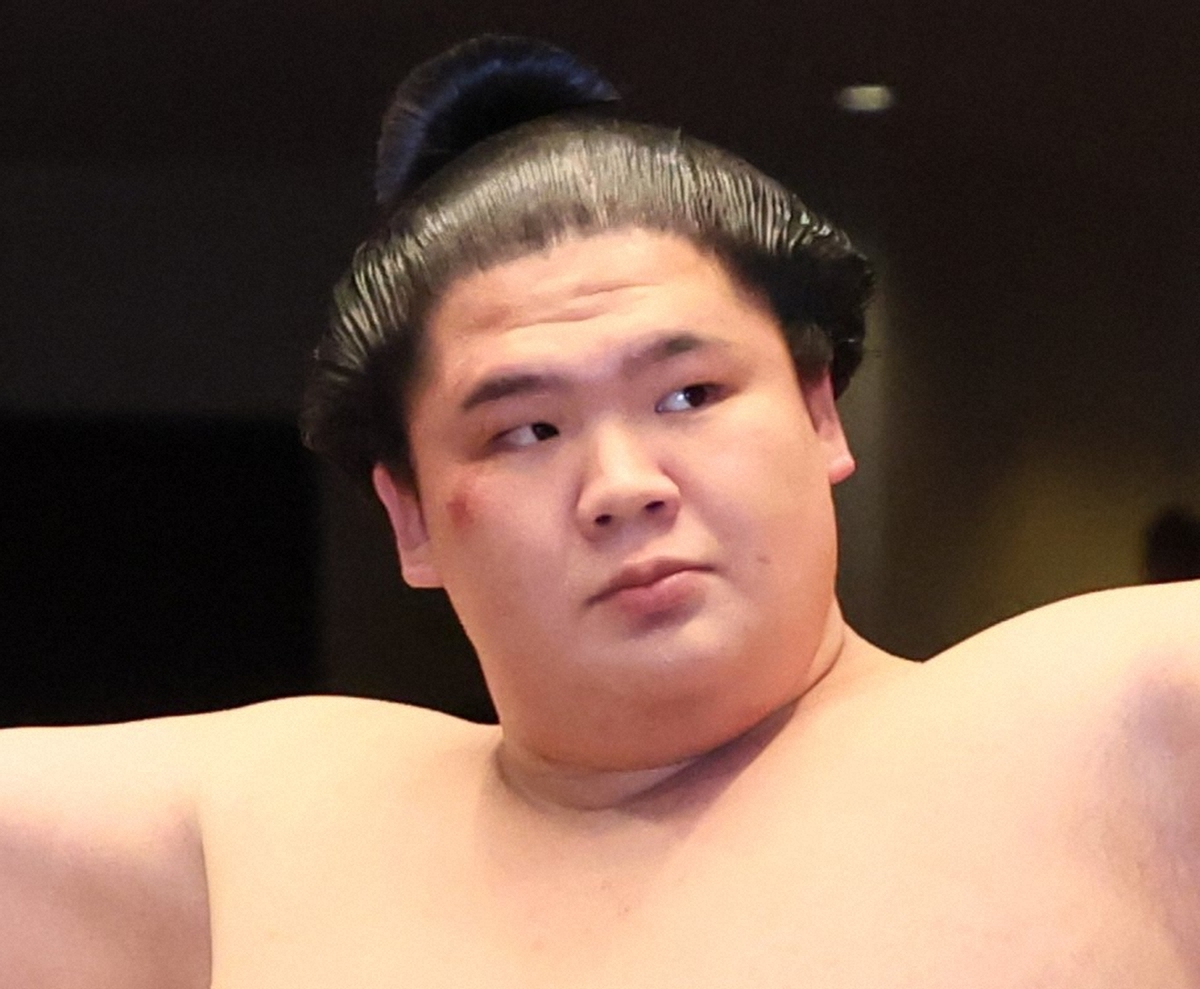
“現役中は結婚しない (geneki-chū wa kekkon shinai) — I won’t get married while I’m still active.”
That was the clear declaration made by sumo wrestler Ura on the February 24 broadcast of Nippon TV’s variety show 「踊る!さんま御殿!!」 (Odoru! Sanma Goten!!). His reason? It had the studio roaring with laughter.
Ura’s Surprising Declaration
Ura, a professional 大相撲 (ōzumō) wrestler, appeared as a guest alongside other popular rikishi (sumo wrestlers). During the show, he openly 宣言する (sengen suru, declare) that he would not marry during his active career.
Why?
Ura explained that maintaining his weight for sumo is already extremely tough. He 言及 (genkyū, mentioned) the difficulty of 体型維持 (taikei iji, maintaining one’s body shape) in the sport.
「自分は太りたくないんですけど、相撲のために頑張って食べるっていうのがつらいですね。」 Jibun wa futoritakunai n desu kedo, sumō no tame ni ganbatte taberu tte iu no ga tsurai desu ne. “I don’t really want to gain weight, but it’s tough having to eat a lot for the sake of sumo.”
He even 明かす (akasu, revealed) that when he was 20 years old, he weighed only about 65 kilograms (around 143 pounds). For a professional sumo wrestler, that’s remarkably light.
「食べるのもですけど、太るのが(つらい)」 Taberu no mo desu kedo, futoru no ga (tsurai). “It’s not just the eating—it’s the gaining weight that’s hard.”
“If I Got a Girlfriend, I Might Lose Weight…”
The show’s 司会 (shikai, host), famous comedian Akashiya Sanma, then asked Ura a direct question:
「恋人つくらないのか?」 Koibito tsukuranai no ka? “Won’t you get a girlfriend?”
Ura’s answer was honest—and hilarious.
「彼女とかできたら痩せちゃうかなって思って」 Kanojo toka dekitara yasechau kana tte omotte. “If I got a girlfriend, I wonder if I’d end up losing weight.”
In other words, he worries that being in love might make him slim down—something that would be a serious problem in the world of 大相撲 (ōzumō), where size and weight are crucial advantages.
Sanma reportedly burst into laughter, even banging on the desk at Ura’s unexpected reasoning.
Why Weight Matters So Much in Sumo
Unlike many other professional sports, sumo rewards mass. Wrestlers train intensely not only to build strength but also to gain weight. Large bodies help them push, resist, and overpower opponents in the ring.
For someone like Ura—who admits he doesn’t naturally want to gain weight—the daily discipline of eating beyond comfort can be mentally and physically demanding. His comment gives fans a rare glimpse into the personal struggles behind the powerful image of a rikishi.
It also explains why he feels that romance, which might change his appetite or lifestyle, could threaten his carefully maintained sumo physique.
Learn Japanese from This Article
Let’s turn this celebrity moment into a language lesson.
Key Vocabulary
| Japanese | Romaji | Meaning |
|---|---|---|
| 大相撲 | ōzumō | professional sumo wrestling |
| 現役 | geneki | active duty; actively competing |
| 宣言する | sengen suru | to declare; to announce |
| 言及 | genkyū | mention; reference |
| 体型維持 | taikei iji | maintaining one’s body shape |
| 明かす | akasu | to reveal; to disclose |
| 司会 | shikai | host; master of ceremonies |
Notice how many of these are common in news reports. Learning them will make reading Japanese media much easier.
Grammar Spotlight
1️⃣ 〜について — “about; regarding”
Used when talking about a topic.
Structure: Noun + について
Example from this article (paraphrased):
その理由についても明かした。 Sono riyū ni tsuite mo akashita. “He also revealed the reason about that.”
You’ll see 〜について constantly in interviews and news stories.
2️⃣ 〜たら〜かなと思って — “If ~ happens, I wonder if…”
This expresses casual speculation about a possible future situation.
Structure: Verb (past short form) + ら + result + かなと思って
Ura’s actual line:
彼女とかできたら痩せちゃうかなって思って。 Kanojo toka dekitara yasechau kana tte omotte. “If I got a girlfriend, I wonder if I’d lose weight.”
- できたら = if I got (a girlfriend)
- 痩せちゃうかな = I wonder if I’d end up losing weight
- って思って = I was thinking
This pattern is very natural in spoken Japanese. Try using it in your own life:
日本に行けたら住みたいかなって思って。 Nihon ni iketara sumitai kana tte omotte. “If I could go to Japan, I wonder if I’d want to live there.”
Useful Expression
現役中は〜しない
Geneki-chū wa ~ shinai “I won’t ~ while I’m active.”
- 現役中は結婚しない。 Geneki-chū wa kekkon shinai. “I won’t get married while I’m active.”
You can adapt this pattern:
- 学生中はアルバイトしない。 Gakusei-chū wa arubaito shinai. “I won’t work part-time while I’m a student.”
Continue Learning
Working on your reading skills? Our Introduction to Kanji: Pictorial Foundations of Japanese Script lesson is a great next step.
To understand more about culture, explore our Basic Vocabulary Building: Embracing Words Without Latin Ties lesson.
Want to learn more about culture? Check out our lesson on Honorifics: Keigo for Respectful Dialogue.
Ura’s comment may have been lighthearted, but it reveals something deeply Japanese: dedication to one’s role, even at personal sacrifice. In 大相撲 (ōzumō), commitment comes first—even before romance.
これからもよろしくお願いします。 Kore kara mo yoroshiku onegaishimasu.