
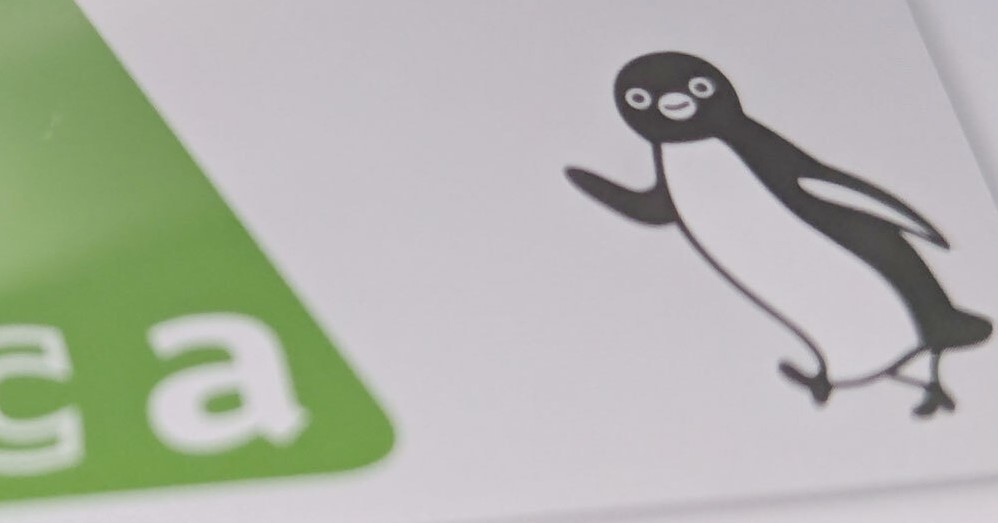
JR East’s beloved mascot 「Suicaのペンギン」 (Suica no pengin) is scheduled to retire at the end of March 2026—after serving for nearly a quarter century. The announcement alone stirred strong emotions. But it’s the selection process for the successor that’s now fueling debate about 「透明性」 (toumeisei, transparency).
A Farewell After 25 Years
The Suica Penguin has represented the IC transit card Suica since 2001. For 四半世紀にわたり—「四半世紀にわたり」 (shihanseiki ni watari), over a quarter of a century—the character has appeared on posters, merchandise, and station signage across eastern Japan.
Because of that long history, fans feel deeply attached. Many voices online are saying they don’t want the penguin to “graduate” or retire at all.
JR East explains the reason this way: Suica is evolving to a “new dimension,” and therefore the character will step down. However, many fans feel that explanation lacks convincing logic. Even if Suica evolves, does the mascot really have to retire?
Some speculate—「権利の事情が背景にあるのではないか」 (kenri no jijou ga haikei ni aru no de wa nai ka)—that rights issues might be involved behind the scenes. But no details have been made public.
A Selection Scheme That Raises Questions
Despite ongoing resistance to the retirement, JR East has already announced a new character selection 「スキーム」 (sukiimu, scheme or framework).
Here’s the outline:
- A selection committee of well-known creators will be formed in February.
- Young creators will produce draft illustrations.
- Three candidates will be chosen and revealed in summer.
- A public vote will then take place.
On paper, that sounds participatory. But critics point out that the reasons behind the committee member choices are unclear. It’s also not known which young creators will be involved.
In other words, the 「プロセス」 (purosesu, process) feels opaque.
Although a general vote is planned, skepticism remains strong because of a past controversy: the naming of Takanawa Gateway Station.
The “Curse” of Takanawa Gateway
Back in December 2018, JR East held a public naming contest for a new Yamanote Line station. Out of 64,000 submissions, the company chose 高輪ゲートウェイ (Takanawa Geetowei).
Here’s the issue: that name ranked only 130th in terms of votes.
Since then, some people jokingly refer to a “Takanawa Gateway curse.” The concern now is that the Suica Penguin successor vote may be only symbolic—「言い訳程度に行われるのではないか」 (iiwake teido ni okonawareru no de wa nai ka)—just enough to say it was done, without truly reflecting public opinion.
Fans worry their voices might again be ignored.
Can Transparency Be Secured?
The article’s author argues that JR East should pay more attention to 透明性 (toumeisei, transparency). If lessons were learned from the Takanawa Gateway controversy, now is the time to apply them.
At the same time, the writer acknowledges something important: selecting a corporate mascot isn’t simple democracy. A character that will appear on countless goods must meet many business and legal conditions ordinary people may never imagine. Choosing based only on popularity may not be realistic.
Replacing a character that has been “too loved” is always difficult. When the three candidates are announced—or when the final character is decided—there may be strong backlash, with people saying, “The penguin was better.”
And yet, over time, people tend to adjust. After all, even Takanawa Gateway eventually stopped being a daily controversy.
Cultural Context: Why Mascots Matter So Much
In Japan, corporate and regional mascots aren’t just marketing tools. They become emotional symbols. Characters like the Suica Penguin appear on train passes, lunch boxes, stationery, and seasonal goods. They are part of everyday life.
That’s why a mascot retirement feels personal.
This Weekly Top 10 ranking from ITmedia also included other tech-related stories—such as incidents involving 「ランサムウェア」 (ransamuwea, ransomware), issues with Microsoft 365 「Copilot(コパイロット)」 (kopairotto), and concerns about 「DLP(ディーエルピー)」 (dii-eru-pii, Data Loss Prevention) settings. But it was the emotional story of a penguin that captured just as much attention as cybersecurity and AI.
Technology changes. Software 「プログラム」 (puroguramu) are updated. Security systems evolve. Yet sometimes, what people care about most is a small black-and-white bird they’ve seen for 25 years.
Learn Japanese from This Article
Key Vocabulary
| Japanese | Romaji | Meaning |
|---|---|---|
| 透明性 | toumeisei | transparency |
| スキーム | sukiimu | scheme, framework |
| プロセス | purosesu | process |
| ランサムウェア | ransamuwea | ransomware |
| プログラム | puroguramu | program (software/service plan) |
| Copilot(コパイロット) | kopairotto | AI assistant feature |
| DLP(ディーエルピー) | dii-eru-pii | Data Loss Prevention |
Notice how many of these are written in katakana. Japanese frequently adapts global tech terminology into its own sound system.
Grammar Spotlight
1. 〜にわたり (over a period of…)
Used to describe something continuing across a span of time.
Structure: > Time period + にわたり
Example from the article:
- 四半世紀にわたり、Suicaのイメージキャラを務めてきた。 Shihanseiki ni watari, Suica no imeeji kyara o tsutomete kita. “(It) has served as Suica’s image character for a quarter of a century.”
You’ll often see this in formal writing and news articles.
2. 〜のではないか (isn’t it that…? / perhaps…)
Used to express speculation, concern, or soft criticism.
Structure: > Plain form + のではないか
Examples:
権利の事情が背景にあるのではないか。 Kenri no jijou ga haikei ni aru no de wa nai ka. “Isn’t it that rights issues are behind it?”
一般投票は形だけなのではないか。 Ippan touhyou wa katachi dake na no de wa nai ka. “Isn’t the public vote just for show?”
This pattern is extremely common in opinion pieces and commentary.
Useful Expression
- 引退する (intai suru) — to retire
- 後継キャラ (koukei kyara) — successor character
- 反発がある (hanpatsu ga aru) — to face backlash
Try making your own sentence:
- 新しいキャラに反発があるかもしれない。 Atarashii kyara ni hanpatsu ga aru kamo shirenai. “There may be backlash against the new character.”
Continue Learning
Working on your reading skills? Our Katakana Essentials: Adapting Global Words to Japanese lesson is a great next step.
To understand more about tech, explore our Reading and Writing in Japanese II: Hiragana and Katakana lesson.
Ready to dive deeper? Our lesson on Basic Vocabulary Building: Embracing Words Without Latin Ties will help you master these concepts.
A mascot that lasted 四半世紀にわたり becomes part of daily life. Whether the new character succeeds or not, this story is a reminder: language, culture, and technology are always evolving—but emotional attachment is powerful.
これからもよろしくお願いします。 Kore kara mo yoroshiku onegaishimasu.