
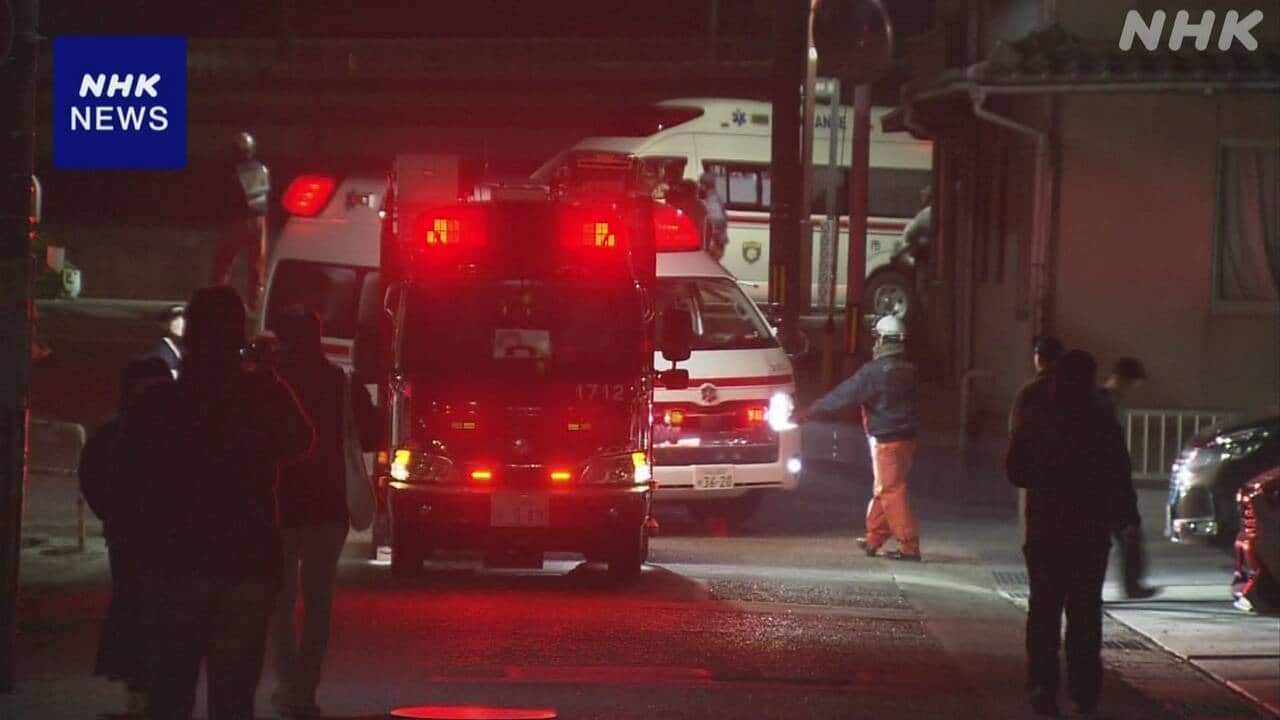
On February 21 at around 10 p.m., emergency services received a call reporting injuries at a festival in Okayama City. Several men were transported to the hospital, and three were reported to be unconscious.
Multiple Men Hospitalized at Okayama “Hadaka Matsuri”
According to 警察 (keisatsu, police) and 消防 (shoubou, fire department), a 通報 (tsuuhou, emergency call) was made around 10 p.m. on the 21st. The call reported that there were injured 参加者 (sankasha, participants) at a festival held at 西大寺観音院 (Saidaiji Kannonin), a well-known 観音院 (kannonin, Kannon temple) located in Higashi Ward, Okayama City.
Authorities say that multiple men were 搬送 (hansou, transported) to hospitals. Of those, three were in a state of having no 意識 (ishiki, consciousness), meaning they were unconscious at the time of reporting.
Details beyond this initial report have not been announced in the source article.
Cultural Context: What Is “Hadaka Matsuri”?
The event mentioned is commonly known as 裸祭り (hadaka matsuri), literally “Naked Festival.” Despite the name, participants are not fully naked. Traditionally, men wear a minimal garment called a fundoshi (loincloth).
At Saidaiji Kannonin in Okayama, this festival is especially famous. Large numbers of men gather at night in winter, creating an intense and crowded atmosphere. The event is known for its physicality and the strong sense of tradition surrounding it.
Understanding the cultural weight of festivals (祭り, matsuri) in Japan helps explain why so many people participate. Local festivals are often tied to centuries-old religious practices and community identity.
Learn Japanese from This Article
Let’s look at key vocabulary and expressions used in this news report.
Key Vocabulary
| Japanese | Romaji | Meaning |
|---|---|---|
| 警察 | keisatsu | police |
| 消防 | shoubou | fire department |
| 通報 | tsuuhou | report, emergency call |
| 搬送 | hansou | transport (to hospital) |
| 意識 | ishiki | consciousness |
| 参加者 | sankasha | participant |
| 観音院 | kannonin | Kannon temple |
These are common words in Japanese news reporting, especially in emergency situations.
Grammar Spotlight 1: 〜によりますと
Pattern: Noun + によりますと
Meaning: “According to…” (formal, often used in news)
Example from the article style:
- 警察や消防によりますと、通報がありました。 Keisatsu ya shoubou ni yorimasu to, tsuuhou ga arimashita. According to the police and fire department, there was an emergency call.
This expression sounds more formal than casual alternatives like 〜によると (ni yoru to). You’ll frequently hear it in TV news and read it in written reports.
Grammar Spotlight 2: 〜状態だ
Pattern: Noun + の + 状態だ
Meaning: “to be in a state/condition of…”
From the article context:
- 3人が意識がない状態だ。 San-nin ga ishiki ga nai joutai da. Three people are in a state of having no consciousness.
Another example:
- けがをしている状態です。 Kega o shite iru joutai desu. (He/She) is in an injured condition.
This structure is very common in medical or status updates.
Useful Expression
- 「けが人が出ている」 “Keganin ga dete iru.” “There are injured people.”
In news Japanese, 〜が出ている (ga dete iru) is often used to indicate that casualties or problems have occurred.
Continue Learning
To understand more about general news language, explore our Reading and Writing in Japanese II: Hiragana and Katakana lesson.
Working on your reading skills? Our Introduction to Kanji: Pictorial Foundations of Japanese Script lesson is a great next step.
Curious about the Japanese used here? Our Basic Vocabulary Building: Embracing Words Without Latin Ties lesson covers this in depth.
Japanese news articles follow clear patterns and repeated expressions. By learning structures like 〜によりますと and vocabulary such as 搬送 or 意識, you begin to read the language the way it’s actually used in Japan.
これからもよろしくお願いします。 Kore kara mo yoroshiku onegaishimasu.