
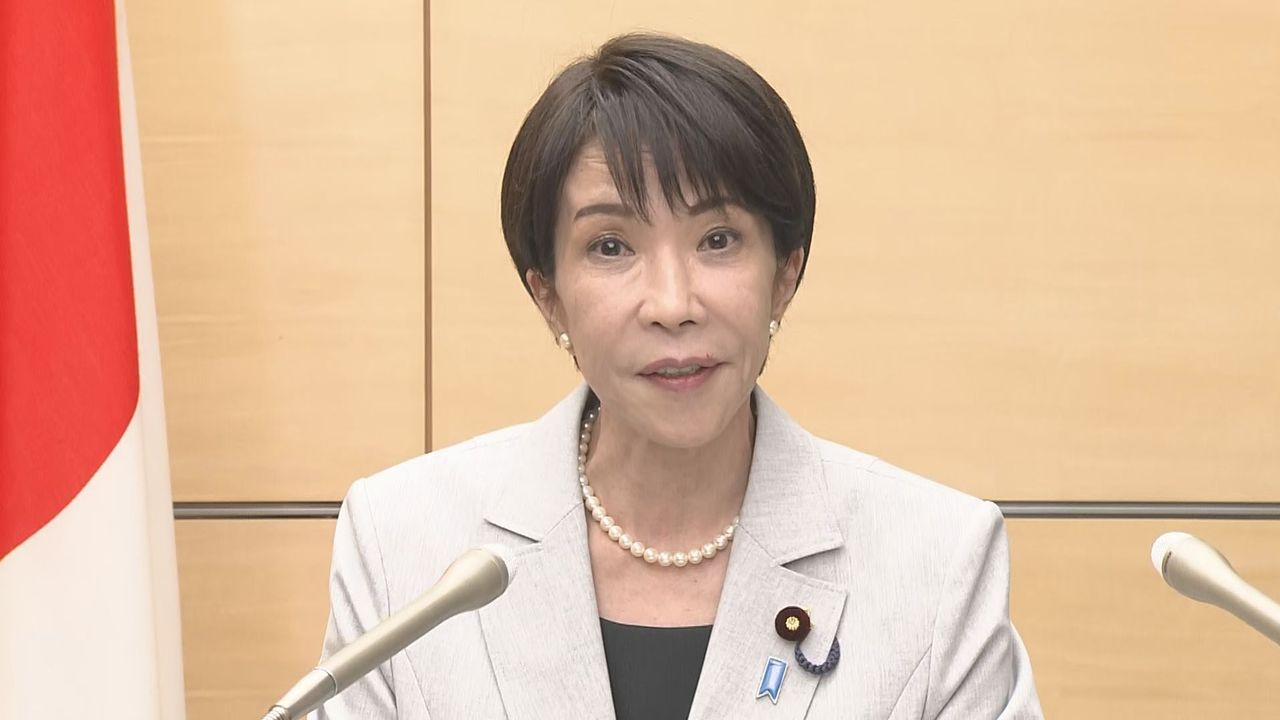
On April 7, Prime Minister Takaichi held telephone talks with the president of the United Arab Emirates, requesting cooperation toward ensuring a stable supply of crude oil.
Prime Minister Takaichi and the UAE President Speak by Phone
According to the report, 高市総理 (Takaichi souri, Prime Minister Takaichi) spoke on the phone with UAE President Muhammad on April 7. The two leaders held a 電話会談 (denwa kaidan), or telephone talks.
During the call, the Prime Minister made a formal 要請 (yousei, request) for 協力 (kyouryoku, cooperation). The purpose of this request was clear: to secure the 安定供給 (antei kyoukyuu, stable supply) of 原油 (genyu, crude oil).
In other words, Japan asked the UAE to work together toward maintaining a steady flow of oil.
Why This Matters
Even though the article is short, the topic is significant. Crude oil—原油 (genyu)—is a vital resource. Countries that rely on imports must carefully manage their relationships with oil-producing nations.
A phrase like 安定供給に向け (antei kyoukyuu ni muke, “toward stable supply”) shows long-term thinking. It suggests not just solving a short-term issue, but working steadily toward ongoing security.
Diplomatic communication such as a 電話会談 (denwa kaidan) is one way leaders maintain international cooperation.
Cultural and Language Insight: Formal Political Japanese
News about government leaders in Japan uses very formal and structured language. You’ll often see:
- Titles like 総理 (souri) instead of just a name
- Formal nouns like 要請 (yousei) instead of casual words for “ask”
- Set phrases that show purpose and sequence
This style is different from everyday conversation and is closer to written, official Japanese. Learning to recognize these patterns helps you read real Japanese news more confidently.
Learn Japanese from This Article
Key Vocabulary
| Japanese | Romaji | Meaning |
|---|---|---|
| 総理 | souri | Prime Minister |
| 電話会談 | denwa kaidan | telephone talks |
| 原油 | genyu | crude oil |
| 安定供給 | antei kyoukyuu | stable supply |
| 協力 | kyouryoku | cooperation |
| 要請 | yousei | formal request |
Notice how many of these words are made up of kanji compounds. For example:
- 安定 (antei) = stability
- 供給 (kyoukyuu) = supply
Together, they form 安定供給 (antei kyoukyuu) — “stable supply.”
Grammar Spotlight
1. 〜に向け(て)
Meaning: toward; aimed at; for the purpose of
Structure: Noun + に向け(て)
From the article: 原油の安定供給に向け、協力を要請しました。 Genyu no antei kyoukyuu ni muke, kyouryoku o yousei shimashita. “They requested cooperation toward ensuring a stable supply of crude oil.”
This pattern shows direction or purpose. It’s often used in formal writing and speeches.
More examples:
成功に向けて努力します。 Seikou ni mukete doryoku shimasu. “I will make efforts toward success.”
大会に向けて準備しています。 Taikai ni mukete junbi shite imasu. “We are preparing for the tournament.”
2. 〜をおこない、〜しました
Meaning: did A, and then did B (formal written sequence)
From the article: 電話会談をおこない、協力を要請しました。 Denwa kaidan o okonai, kyouryoku o yousei shimashita. “They held telephone talks and requested cooperation.”
In news Japanese, this pattern is very common. The verb おこない (okonai, “conducted/held”) connects smoothly to the next action.
This structure feels formal and is frequently used in political or business reporting.
Useful Expression
- 協力を要請する (kyouryoku o yousei suru) “to request cooperation”
This is a set phrase you’ll often see in official announcements.
Continue Learning
- Reading and Writing in Japanese II: Hiragana and Katakana: Want to learn more about general? Check out our lesson on Reading and Writing in Japanese II: Hiragana and Katakana.
- Introduction to Kanji: Pictorial Foundations of Japanese Script: Working on your reading skills? Our Introduction to Kanji: Pictorial Foundations of Japanese Script lesson is a great next step.
- Basic Vocabulary Building: Embracing Words Without Latin Ties: Want to learn more about general? Check out our lesson on Basic Vocabulary Building: Embracing Words Without Latin Ties.
By reading short, authentic news like this, you’re training yourself to recognize real-world Japanese—exactly the kind used in official statements and national reporting.
これからもよろしくお願いします。 Kore kara mo yoroshiku onegaishimasu.