
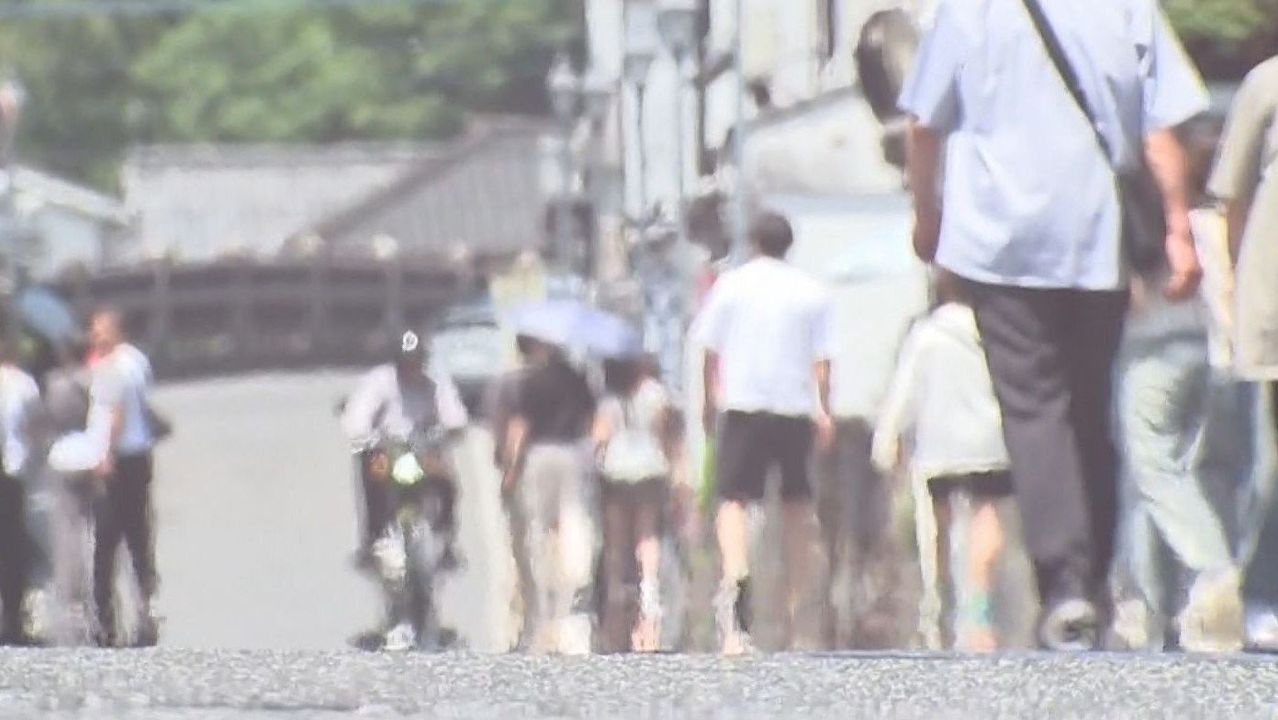
On May 18 in the afternoon, 大分県日田市 (Ōita-ken Hita-shi) recorded a high of over 35°C—marking the first 猛暑日 (mōshobi), or “extremely hot day,” anywhere in Japan this year.
First “Extremely Hot Day” of the Year
In 大分県 (Ōita-ken), located in southwestern Japan, temperatures climbed sharply on May 18. In 日田市 (Hita-shi), the 最高気温 (saikō kion, highest temperature) rose above 35 degrees Celsius.
When the temperature 35度を超える (35-do o koeru), meaning “exceeds 35°C,” the Japan Meteorological Agency classifies it as a 猛暑日 (mōshobi). According to the report, this was the first time 全国で今年初めて (zenkoku de kotoshi hajimete)—nationwide this year—that such a temperature was recorded.
In other words, no other location in Japan had yet crossed the 35°C mark in 2001 until this day in Hita City.
The temperature was officially 記録しました (kiroku shimashita)—recorded—by authorities, making it the earliest confirmed “extremely hot day” across the country this year.
Why 35°C Matters in Japan
In Japan, summer heat is taken very seriously. Weather reports commonly use specific categories to describe daily highs:
- 25°C or higher: summer day
- 30°C or higher: very hot day
- 35°C or higher: 猛暑日 (mōshobi)
The term 猛暑日 combines:
- 猛 (mō) – fierce
- 暑 (sho) – heat
- 日 (hi / bi) – day
So it literally means “fiercely hot day.” You’ll hear this word frequently in Japanese news reports during the summer months.
Understanding these categories helps you follow Japanese weather news more naturally—just as native speakers do.
Learn Japanese from This Article
Let’s break down key vocabulary and grammar you can start using right away.
Key Vocabulary
| Japanese | Romaji | Meaning |
|---|---|---|
| 大分県 | Ōita-ken | Oita Prefecture |
| 日田市 | Hita-shi | Hita City |
| 最高気温 | saikō kion | highest temperature |
| 超える | koeru | to exceed; to go beyond |
| 全国 | zenkoku | the whole country; nationwide |
| 猛暑日 | mōshobi | extremely hot day (35°C or higher) |
| 記録する | kiroku suru | to record |
Try saying this key sentence from the article:
最高気温が35度を超えました。 Saikō kion ga sanjūgo-do o koemashita. “The highest temperature exceeded 35 degrees.”
Grammar Spotlight 1: 〜を超える (to exceed)
Structure: [number / limit] + を超える
This pattern means “to exceed” or “to go beyond” a certain number or limit.
Examples:
気温が30度を超えました。 Kion ga sanjū-do o koemashita. “The temperature exceeded 30°C.”
人口が100万人を超えています。 Jinkō ga hyaku-man nin o koete imasu. “The population exceeds one million.”
This structure is very common in news reports and statistics.
Grammar Spotlight 2: 〜で今年初めて (for the first time this year in ~)
Structure: [place] + で今年初めて
This means “for the first time this year in (a place).”
From the article:
全国で今年初めての猛暑日 Zenkoku de kotoshi hajimete no mōshobi “The first extremely hot day nationwide this year.”
More examples:
東京で今年初めて雪が降りました。 Tōkyō de kotoshi hajimete yuki ga furimashita. “It snowed in Tokyo for the first time this year.”
この町で今年初めてのお祭りです。 Kono machi de kotoshi hajimete no omatsuri desu. “It’s the first festival of the year in this town.”
Notice how natural and compact this expression is—perfect for headlines and news.
Useful Expression
猛暑日を記録する Mōshobi o kiroku suru “To record an extremely hot day”
You’ll often hear this phrase in summer weather reports.
Continue Learning
Want to strengthen your reading skills so you can follow real Japanese news like this on your own?
- Reading and Writing in Japanese II: Hiragana and Katakana: Want to learn more about general? Check out our lesson on Reading and Writing in Japanese II: Hiragana and Katakana.
- Introduction to Kanji: Pictorial Foundations of Japanese Script: Working on your reading skills? Our Introduction to Kanji: Pictorial Foundations of Japanese Script lesson is a great next step.
- Basic Vocabulary Building: Embracing Words Without Latin Ties: Ready to dive deeper? Our lesson on Basic Vocabulary Building: Embracing Words Without Latin Ties will help you master these concepts.
By learning how temperature, numbers, and nationwide events are reported in Japanese, you’re building the skills to understand authentic news—just as it’s written for native speakers.
これからもよろしくお願いします。 Kore kara mo yoroshiku onegaishimasu.