
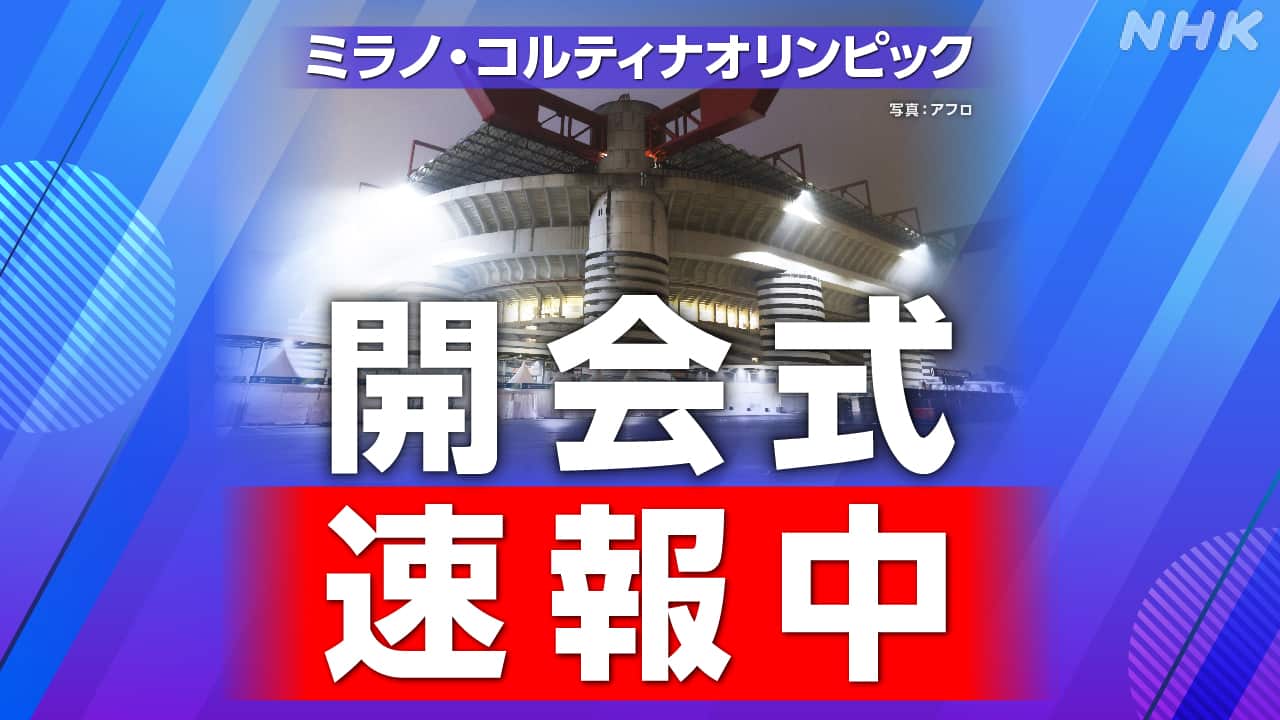
Milano-Cortina 2026 Olympics: A Unique Opening Ceremony in Japanese
Imagine tuning into a global event like the Olympics, but instead of a single stadium filled with cheering crowds, you’re witnessing history unfold across four different locations at once. That’s exactly what happened on February 7, 2026, during the opening ceremony of the Milano-Cortina Olympics. For learners of Japanese, this isn’t just a fascinating spectacle—it’s a perfect chance to dive into how Japan reports on such events and pick up authentic language along the way. Let’s explore the オリンピック (orinpikku), the Olympics, through a Japanese lens and uncover some useful words and grammar as we go!
A Groundbreaking Opening Ceremony
The Milano-Cortina Olympics redefined tradition with its 開会式 (kaikaishiki), or opening ceremony. Rather than hosting the athletes’ parade in one grand venue, the event embraced a concept called 広域開催 (kouiki kaisai), meaning “wide-area hosting.” Athletes marched simultaneously across four distinct 会場 (kaijou), or venues, showcasing the unique blend of Milano’s urban sophistication and Cortina’s alpine beauty. Japanese media couldn’t help but highlight the symbolic innovation of this approach, especially with two 聖火台 (seikadai), or Olympic cauldrons, being lit at the same time—one in Milano and one in Cortina. This dual 点灯 (tentou), or lighting, captured a theme of unity across distances that resonated deeply in coverage back in Japan.
Cultural Context: Japan’s Lens on Global Spectacles
In Japan, the Olympics aren’t just about sports—they’re a cultural bridge to the world. News outlets like NHK dive into every detail, from logistics to symbolism, reflecting a national appreciation for balance and harmony. The idea of 広域 (kouiki), or “wide area,” isn’t just a term for event planning; it ties into a cultural value of connecting diverse spaces in a meaningful way. Japan’s own Olympic history, including the iconic 1964 Tokyo Games and the resilient 2020 (held in 2021) Tokyo Olympics, shapes how Japanese audiences view such innovations. The Milano-Cortina format sparked curiosity in Japan, with discussions on how 開催 (kaisai), or hosting, could evolve for future events. For learners, this is a reminder that language in Japan often carries layers of cultural weight beyond the dictionary definition.
Learn Japanese from This Article
If you’ve ever wondered how to talk about global events like the Olympics in Japanese, this is your chance to build your vocabulary and grammar skills. Let’s break down some key terms and structures straight from the news coverage, so you can sound like you’re chatting with a native speaker.
Key Vocabulary
Here are some essential words related to the Milano-Cortina Olympics coverage that you’ll hear in Japanese media:
| Japanese | Romaji | Meaning |
|---|---|---|
| オリンピック | orinpikku | Olympics |
| 開会式 | kaikaishiki | Opening ceremony |
| 広域 | kouiki | Wide area, extensive region |
| 開催 | kaisai | Hosting, holding (an event) |
| 聖火台 | seikadai | Olympic cauldron, torch stand |
| 点灯 | tentou | Lighting (a flame, light) |
| 会場 | kaijou | Venue, location (of an event) |
Grammar Spotlight: 〜ている and 〜予定です
Let’s look at two grammar patterns that often pop up in news reports about events like the Olympics. These will help you describe ongoing actions and future plans with ease.
1. 〜ている: Ongoing Action or State
This form is used to describe something happening right now or a current state. It’s like adding “-ing” in English, but it can also imply a continuing situation.
- Structure: Verb stem + ている
- Examples:
- 選手が会場で行進しています。 (Senshu ga kaijou de koushin shiteimasu.) The athletes are marching at the venue.
- 聖火台が点灯されています。 (Seikadai ga tentou sareteimasu.) The Olympic cauldron is being lit.
- 広域開催が行われています。 (Kouiki kaisai ga okonawareteimasu.) Wide-area hosting is taking place.
Use this when you want to describe something in progress, like live events or ongoing situations often reported in the news.
2. 〜予定です: Is Scheduled To, Is Planned To
This structure indicates future plans or scheduled events, a must-know for talking about upcoming ceremonies or games.
- Structure: Verb dictionary form + 予定です
- Examples:
- 開会式が明日予定です。 (Kaikaishiki ga ashita yotei desu.) The opening ceremony is scheduled for tomorrow.
- 聖火台の点灯が夜に予定です。 (Seikadai no tentou ga yoru ni yotei desu.) The lighting of the Olympic cauldron is planned for the evening.
- 新しい会場で試合が予定です。 (Atarashii kaijou de shiai ga yotei desu.) Matches are scheduled at the new venue.
This is perfect for discussing future events, especially in formal contexts like news or planning conversations.
Useful Expression
Here’s a bonus phrase you’ll hear often in event coverage: 開催される (kaisai sareru) - “to be held” or “to be hosted.” Example: オリンピックがイタリアで開催されます。 (Orinpikku ga Itaria de kaisai saremasu.) The Olympics will be held in Italy.
Continue Learning
Want to dive deeper into the Japanese used in this article? Check out these lessons for more on key grammar and expressions:
- Ni, De, and E: Mapping Directions and Locations: Curious about the Japanese used here? Our Ni, De, and E: Mapping Directions and Locations lesson covers this in depth.
- Wa vs. Ga: Emphasizing Importance in Sentences: Curious about the Japanese used here? Our Wa vs. Ga: Emphasizing Importance in Sentences lesson covers this in depth.
- Masu Form: Mastering Polite Everyday Speech: Want to understand the verb forms used here? Check out Masu Form: Mastering Polite Everyday Speech.
これからもよろしくお願いします。 Kore kara mo yoroshiku onegaishimasu.