
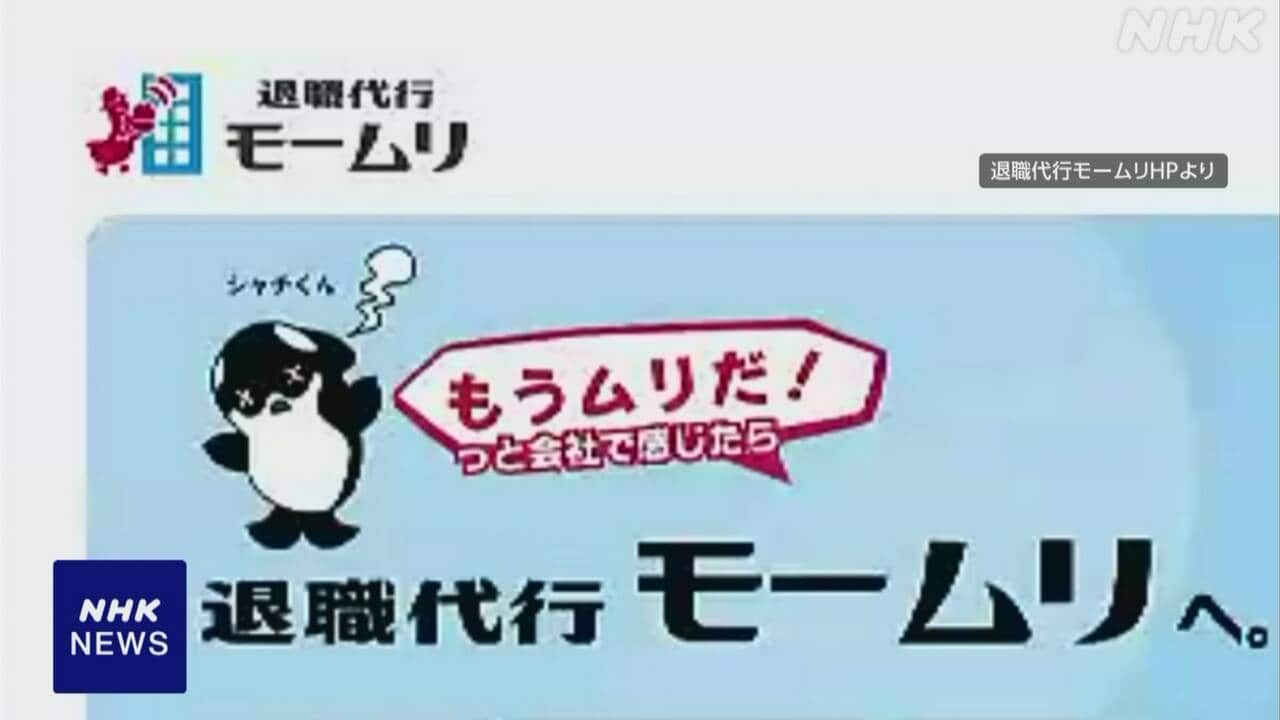
Resignation Agency Scandal: A Window into Japanese Work Culture
Have you ever felt stuck in a job, dreading the awkward conversation of quitting? In Japan, this struggle is so real that an entire industry—resignation agencies—has sprung up to help people leave their jobs. But a recent scandal involving モームリ (Mōmuri), a prominent resignation service, has brought legal and ethical questions to the forefront. On February 4, 2026, the president and another executive of the company were arrested for allegedly violating Japan’s Attorney Act. For learners of Japanese, this story isn’t just news—it’s a fascinating glimpse into workplace pressures and the language that reflects them. Let’s dive into what happened and what you can learn from it.
The モームリ Scandal: What Happened?
According to NHK, the two executives behind モームリ (Mōmuri), a service that acts as a middleman for employees wanting to resign, were accused of illegally receiving 紹介料 (shōkairyō, referral fees) by connecting clients to lawyers. These fees were reportedly disguised as “support funds” paid to a partnering 労働組合 (rōdō kumiai, labor union), raising doubts about their legitimacy. This kind of financial arrangement is considered 違法 (ihō, illegal) under Japan’s Attorney Act, which tightly controls how legal referrals and payments are handled to protect clients from exploitation. The 逮捕 (taiho, arrest) of these individuals has sparked a broader conversation about the resignation agency industry and whether such services overstep ethical boundaries.
What’s striking here is how this case reflects modern Japan’s evolving workplace solutions. Services like 退職代行 (taishoku daikō, resignation agency) are a relatively new phenomenon, yet they’ve become a lifeline for many. But as this scandal shows, navigating the legal landscape isn’t always straightforward.
Cultural Context: Why Resignation Agencies Exist in Japan
If you’ve ever wondered why someone would pay a service to quit their job, the answer lies deep in Japanese work culture. In Japan, loyalty to one’s employer is a deeply ingrained value, often tied to concepts of duty and harmony. Telling your boss you’re leaving can feel like a personal betrayal, and the pressure to stay—or at least to resign “properly”—can be overwhelming. This is where 退職代行 (taishoku daikō) services step in, acting as a buffer to handle the tough conversations and paperwork on behalf of the employee.
However, the モームリ (Mōmuri) case highlights a darker side to this trend. When money changes hands in questionable ways, especially involving professionals like 弁護士 (bengoshi, lawyers), it raises red flags about ethics and legality. For Japanese learners, understanding this context isn’t just about vocabulary—it’s about grasping why certain phrases and services even exist. The language of resignation and legality mirrors the societal challenges of balancing tradition with modern needs.
Learn Japanese from This Article
This news story is packed with real-world Japanese that you’ll encounter in media, conversations, and even workplace scenarios. Let’s break down some key vocabulary and grammar to help you learn the way native speakers do—rooted in context and culture.
Key Vocabulary
| Japanese | Romaji | Meaning |
|---|---|---|
| 退職代行 | taishoku daikō | resignation agency/service |
| 違法 | ihō | illegal |
| 弁護士 | bengoshi | lawyer, attorney |
| 逮捕 | taiho | arrest |
| 労働組合 | rōdō kumiai | labor union |
| 紹介料 | shōkairyō | referral fee |
These terms aren’t just words—they’re keys to understanding the nuances of Japanese society. For instance, 労働組合 (rōdō kumiai) reflects the importance of collective worker rights, while 紹介料 (shōkairyō) hints at the financial dealings that can complicate professional relationships.
Grammar Spotlight: 〜として (as, in the role of, on suspicion of)
The structure 〜として (~to shite) is incredibly versatile and often appears in formal or legal contexts like this news story. It means “as” or “in the role of” and can also indicate the basis for something, such as suspicion in a legal case.
- Structure: Noun + として
- Examples:
- 彼は社長として責任を取った。 (Kare wa shachō to shite sekinin o totta.) He took responsibility as the president.
- 違法行為の疑いとして逮捕された。 (Ihō kōi no utagai to shite taiho sareta.) They were arrested on suspicion of illegal activity.
- 支援金として支払われた。 (Shienkin to shite shiharawareta.) It was paid as support funds.
In the モームリ (Mōmuri) case, you might see として used to describe the alleged payments “as support funds” or the arrests “on suspicion of” violating the law. It’s a formal yet common structure that adds precision to statements, especially in news reports.
Grammar Spotlight: 〜ていた (past continuous, was doing)
Another useful pattern is 〜ていた (~te ita), which describes an ongoing action in the past—perfect for narratives or reporting past events like this scandal.
- Structure: Verb (te-form) + いた
- Examples:
- 彼らは紹介料を受け取っていた。 (Karera wa shōkairyō o uketotte ita.) They were receiving referral fees.
- 会社は支援金を支払っていた。 (Kaisha wa shienkin o shiharatte ita.) The company was paying support funds.
- 問題が起きる前、私は働いていた。 (Mondai ga okiru mae, watashi wa hataraite ita.) Before the problem arose, I was working.
This structure helps paint a picture of continuous actions leading up to an event, like how the executives were allegedly engaging in questionable practices over time. It’s a natural way to describe past situations in Japanese storytelling.
Continue Learning
Ready to dive deeper into Japanese grammar and expressions? Check out these lessons to build on what you’ve learned from this article:
- Wa vs. Ga: Emphasizing Importance in Sentences: Curious about the Japanese used here? Our Wa vs. Ga: Emphasizing Importance in Sentences lesson covers this in depth.
- Ni, De, and E: Mapping Directions and Locations: Ready to dive deeper? Our lesson on Ni, De, and E: Mapping Directions and Locations will help you master these concepts.
- Greetings and Self-Introductions: Authentic Entry Phrases: Ready to dive deeper? Our lesson on Greetings and Self-Introductions: Authentic Entry Phrases will help you master these concepts.
Closing Thoughts
The モームリ (Mōmuri) scandal isn’t just a headline—it’s a chance to see how language, culture, and modern challenges intersect in Japan. By exploring terms like 退職代行 (taishoku daikō) and structures like 〜として (~to shite), you’re not just learning Japanese; you’re stepping into the mindset of native speakers navigating real-world issues. Keep practicing with authentic content like this, and you’ll find yourself understanding Japan on a deeper level.
これからもよろしくお願いします。 Kore kara mo yoroshiku onegaishimasu.