
Tragic Incident in Musashino: A Window into Japanese Language and Society
Have you ever wondered how real-life events in Japan can deepen your understanding of both the language and the culture? Today, we’re diving into a heartbreaking story from 武蔵野市 (Musashino-shi), a suburban city in western Tokyo, that has captured national attention. This isn’t just about the news—it’s about connecting with the Japanese language as it’s used in real contexts, the way native speakers encounter it daily. Let’s explore this tragic event, uncover some cultural insights, and learn key vocabulary and grammar that will help you navigate authentic Japanese.
A Heartbreaking Incident in Musashino
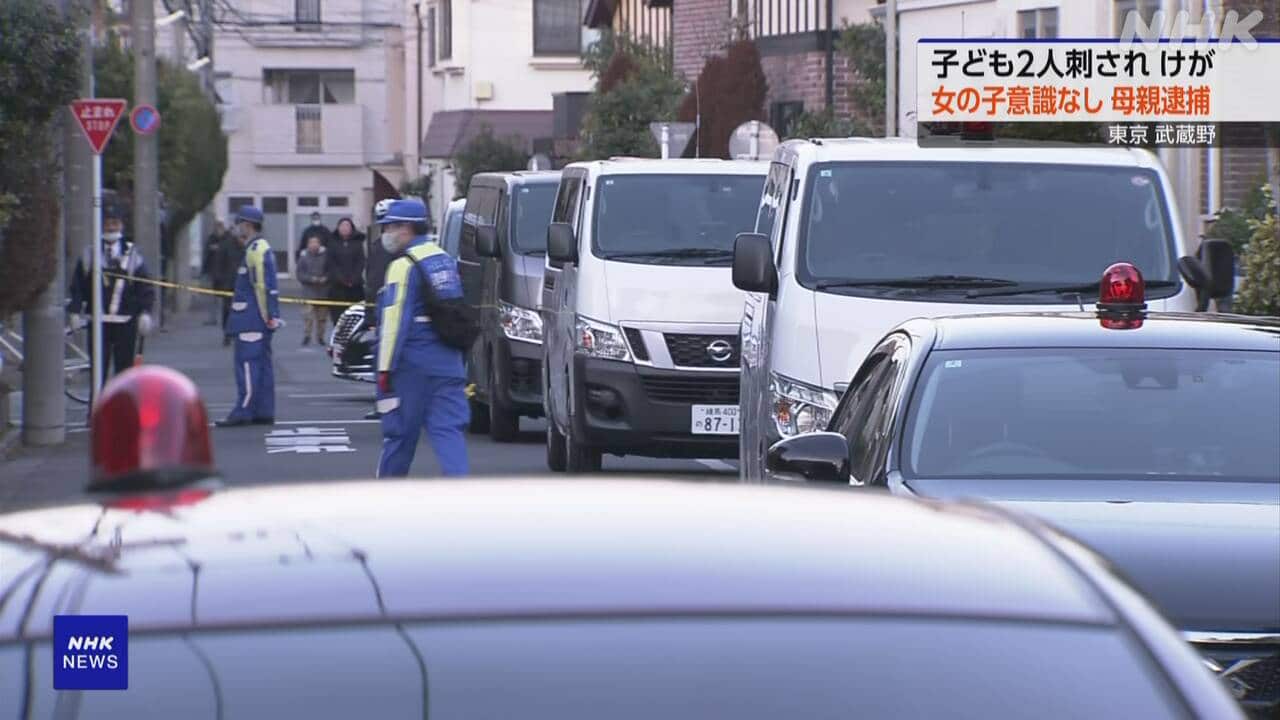
On February 1, 2026, a devastating 事件 (jiken, incident) unfolded in a quiet 住宅 (juutaku, residential) neighborhood of 武蔵野市 (Musashino-shi). An 8-year-old boy and his 3-year-old sister were found injured, having been attacked with a 刃物 (hamono, blade or knife). Emergency services rushed the siblings to a hospital, a process described as 搬送 (hansou, transport), but tragically, the young girl could not be saved, resulting in her 死亡 (shibou, death). The boy, thankfully, survived his injuries.
The Tokyo Metropolitan Police, known as 警視庁 (keishichou), arrested the children’s 45-year-old 母親 (hahaoya, mother) on suspicion of attempted murder. While details remain scarce due to Japan’s strict privacy norms in reporting, this shocking event has left the community reeling and sparked conversations about deeper societal issues. As we unpack this story, you’ll see how language reflects not just facts, but emotions and cultural values.
Cultural Context: Family, Privacy, and Societal Pressures
If you’ve been learning Japanese, you might’ve noticed how much weight certain words carry beyond their dictionary definitions. Take 母親 (hahaoya), for instance. More than just “mother,” it embodies a profound sense of duty and emotional connection in Japanese society. Mothers are often seen as the heart of the family, bearing immense responsibility for their children’s well-being. When tragedies like this occur, they often bring to light hidden struggles—whether it’s mental health, financial stress, or societal expectations—that many hesitate to discuss openly due to lingering stigma.
Moreover, the way Japanese media handles such 事件 (jiken, incidents) reflects a cultural emphasis on dignity and restraint. Unlike some Western outlets that might sensationalize personal details, Japanese news prioritizes privacy, rarely disclosing names or intimate specifics. This approach stems from a deep-rooted respect for individuals, even in the darkest of circumstances. As you learn Japanese, understanding these nuances helps you grasp not just what is said, but why it’s said that way.
Learn Japanese from This Article
Let’s turn this real-world story into a learning opportunity. Below, you’ll find key vocabulary pulled directly from this incident, a spotlight on useful grammar patterns, and expressions that will help you discuss serious topics in Japanese authentically.
Key Vocabulary
Here are some essential words from the news report that you’ll encounter in similar contexts. Memorizing these will help you follow Japanese news and understand formal or serious discussions.
| Japanese | Romaji | Meaning |
|---|---|---|
| 事件 | jiken | incident, case, event (often negative) |
| 住宅 | juutaku | residence, housing |
| 刃物 | hamono | blade, edged tool, knife |
| 搬送 | hansou | transport (often to a hospital or facility) |
| 死亡 | shibou | death, passing away |
| 母親 | hahaoya | mother |
| 警視庁 | keishichou | Tokyo Metropolitan Police Department |
Grammar Spotlight: 〜ている and 〜未遂
To help you express ongoing actions or specific legal terms often seen in news, let’s look at two important grammar points: 〜ている for ongoing or resultative states, and 〜未遂 for attempted actions.
〜ている: Ongoing Action or Resultative State
This grammar pattern is used to describe actions that are currently happening or states that result from a completed action. It’s incredibly common in news reports to describe situations as they unfold or persist.
- Structure: Verb (て-form) + いる
Examples:
- 警察が調べている。(Keisatsu ga shirabete iru.
- The police are investigating.)
- 子供が怪我をしている。(Kodomo ga kega o shite iru.
- The child is injured.)
- 母親が逮捕されている。(Hahaoya ga taiho sarete iru.
- The mother has been arrested.)
- 警察が調べている。(Keisatsu ga shirabete iru.
When to Use: Use 〜ている when describing something happening right now or a state resulting from a past action (like being arrested or injured). It’s a dynamic way to talk about events in progress, which you’ll often hear in live reporting or storytelling.
〜未遂: Attempted (Crime)
This suffix is attached to nouns related to crimes to indicate an “attempted” act. It’s a formal term frequently used in legal or news contexts.
- Structure: Crime Noun + 未遂 (misui)
Examples:
- 殺人未遂で逮捕された。(Satsujin misui de taiho sareta.
- Arrested for attempted murder.)
- 窃盗未遂の疑いがある。(Settou misui no utagai ga aru.
- Suspected of attempted theft.)
- 殺人未遂で逮捕された。(Satsujin misui de taiho sareta.
When to Use: You’ll see 未遂 in formal settings like news or legal discussions to specify that a crime was attempted but not completed. It’s a precise way to describe incidents like the one in Musashino.
Useful Expressions
Here’s a quick phrase you might find handy when discussing news or serious events:
- 信じられない事件です。 (Shinjirarenai jiken desu.
- It’s an unbelievable incident.) This expression captures the shock or disbelief often felt in response to tragic news, reflecting a natural emotional reaction in Japanese.
Continue Learning
Want to dive deeper into the Japanese language and culture? Check out these related lessons to build on what you’ve learned today:
- Curious about the Japanese used here? Our Wa vs. Ga: Emphasizing Importance in Sentences lesson covers this in depth.
- To understand more about に, explore our Ni, De, and E: Mapping Directions and Locations lesson.
- Working on your reading skills? Our Chinese Influence on Japanese: Kanji and Borrowed Vocabulary lesson is a great next step.
Learning Japanese isn’t just about mastering grammar or vocabulary—it’s about connecting with real stories and the people behind them. Keep practicing, keep exploring, and remember that every word you learn brings you closer to understanding Japan as it truly is.
これからもよろしくお願いします。 Kore kara mo yoroshiku onegaishimasu.