
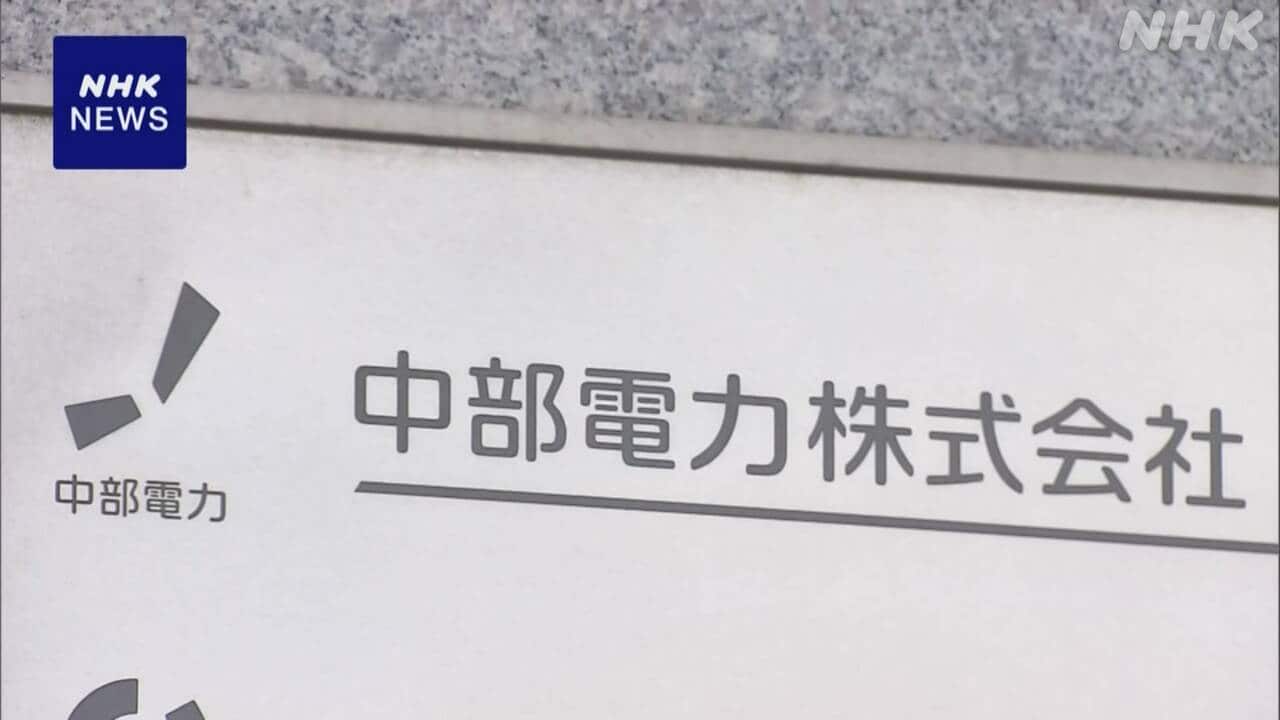
Chubu Electric's Shift: Nuclear Power and Japan's Energy Future
If you've ever wondered how Japan navigates its modern challenges while staying rooted in cultural values, today's news offers a fascinating glimpse. On February 1, 2026, 中部電力 (Chūbu Denryoku), known as Chubu Electric Power, made headlines by considering a bold pivot in its business strategy. Facing scrutiny over safety assessments at the 浜岡原子力発電所 (Hamaoka Genshiryoku Hatsudensho), the Hamaoka Nuclear Power Plant, the company is exploring a future that might not depend on nuclear reactivation. For learners of Japanese, this story isn’t just about energy policy—it’s a window into the language, culture, and societal debates shaping Japan today.
A Strategic Pivot for Chubu Electric
Chubu Electric Power, a key utility provider in central Japan, has been under intense scrutiny due to concerns about its safety evaluations at the Hamaoka Nuclear Power Plant. Specifically, there are allegations of 過小評価 (kashō hyōka), or underestimation, regarding the potential impact of 地震 (jishin), earthquakes, in their assessments. Given Japan’s location on the Pacific Ring of Fire, this is no small matter. As reported by NHK, the company is now crafting a new 経営計画 (keiei keikaku), a management plan or business strategy, for the upcoming fiscal year. What’s striking is that they’re considering a path that doesn’t rely on the 再稼働 (saikadō), or reactivation, of nuclear facilities—a significant shift from past strategies.
This isn’t just a corporate decision; it reflects a broader national struggle. After the 2011 Fukushima disaster, Japan has been wrestling with how to balance energy needs with safety concerns. For Chubu Electric, moving away from nuclear power as a core strategy shows how deeply public sentiment and safety priorities influence business in Japan.
Cultural Context: Nuclear Power in Japan’s Heart
To understand why this news matters, let’s dive into Japan’s complex relationship with nuclear energy. Before 2011, nuclear power was a major pillar of the country’s energy system. But the Fukushima Daiichi disaster, triggered by a devastating earthquake and tsunami, changed everything. Public trust in nuclear facilities plummeted, especially for plants like Hamaoka, located in Shizuoka Prefecture, which sits in a highly seismic area. Shut down in 2011 at the government’s request, the idea of its 再稼働 (saikadō), reactivation, has faced fierce opposition from locals and activists who fear another disaster.
In Japanese media and everyday conversations, terms like 原発 (genpatsu), shorthand for nuclear power plant, carry heavy emotional weight. The debate isn’t just technical—it’s deeply personal, tied to memories of loss and the ever-present threat of natural disasters. Chubu Electric’s potential shift, based on a new 想定 (sōtei), or assumption, about safety and energy needs, mirrors these societal fears and values. It’s a reminder that in Japan, corporate decisions often reflect the pulse of the people.
Learn Japanese from This Article
Ready to turn this news into a language learning opportunity? Let’s break down some key vocabulary and grammar points straight from the story. These are words and structures you’ll hear in Japanese media and conversations about current events.
Key Vocabulary
| Japanese | Romaji | Meaning |
|---|---|---|
| 中部電力 | Chūbu Denryoku | Chubu Electric Power (company) |
| 浜岡原子力発電所 | Hamaoka Genshiryoku Hatsudensho | Hamaoka Nuclear Power Plant |
| 再稼働 | saikadō | reactivation, restart |
| 地震 | jishin | earthquake |
| 想定 | sōtei | assumption, expectation |
| 過小評価 | kashō hyōka | underestimation |
| 経営計画 | keiei keikaku | management plan, business strategy |
These terms are essential if you’re following news or discussions about energy and safety in Japan. For instance, 地震 (jishin) is a word you’ll encounter often, given how central earthquakes are to life and policy in Japan.
Grammar Spotlight: 〜ている (Ongoing Action or State)
One grammar pattern you’ll notice in news reports is 〜ている, which indicates an ongoing action or state. It’s similar to the English present continuous tense (“is doing”) but can also describe a continuing situation.
- Structure: Verb stem + ている
- Examples:
- 中部電力は新たな計画を考えています。 (Chūbu Denryoku wa atarashii keikaku o kangaeteimasu.) - Chubu Electric is considering a new plan.
- 浜岡原発は停止しています。 (Hamaoka Genpatsu wa teishi shiteimasu.) - The Hamaoka Nuclear Power Plant is (currently) shut down.
- 地震の影響を評価しています。 (Jishin no eikyō o hyōka shiteimasu.) - They are evaluating the impact of earthquakes.
This pattern is incredibly useful for describing what’s happening right now or a situation that persists over time, like ongoing debates or business strategies in Japan.
Grammar Spotlight: 〜ない方向で (In the Direction of Not Doing)
Another useful expression from this news is 〜ない方向で, which means “in the direction of not doing something” or “toward avoiding something.” It’s often used in formal or strategic contexts like business or policy discussions.
- Structure: Verb (negative form) + 方向で (hōkō de)
- Examples:
- 原発を再稼働しない方向で検討しています。 (Genpatsu o saikadō shinai hōkō de kentō shiteimasu.) - They are considering a direction of not reactivating the nuclear power plant.
- リスクを無視しない方向で計画を作ります。 (Risuku o mushi shinai hōkō de keikaku o tsukurimasu.) - They will make a plan in the direction of not ignoring risks.
This phrase is perfect for discussing plans or intentions that lean toward avoiding a specific action, a nuance you’ll often hear in cautious or diplomatic Japanese speech.
Continue Learning
Want to deepen your understanding of Japanese grammar and expressions used in this article? Here are some lessons from “Japanese from Japan” to help you master the language authentically:
- Ready to dive deeper? Our lesson on Wa vs. Ga: Emphasizing Importance in Sentences will help you master these concepts.
- Want to learn more about time? Check out our lesson on Time and Dates: Tense-Free Expressions.
- Want to understand the verb forms used here? Check out Nai Form: Negating Without Auxiliary Words.
Closing Thoughts
Learning Japanese isn’t just about memorizing words or grammar—it’s about connecting with the real issues and emotions that shape life in Japan. Chubu Electric’s potential shift away from nuclear power isn’t just a headline; it’s a reflection of a nation balancing safety, progress, and public trust. By diving into stories like this, you’re learning the language the way native speakers use it, grounded in the context of their world.
これからもよろしくお願いします。 Kore kara mo yoroshiku onegaishimasu.