
Heavy Snowfall in Japan: A Window into Winter Life and Language
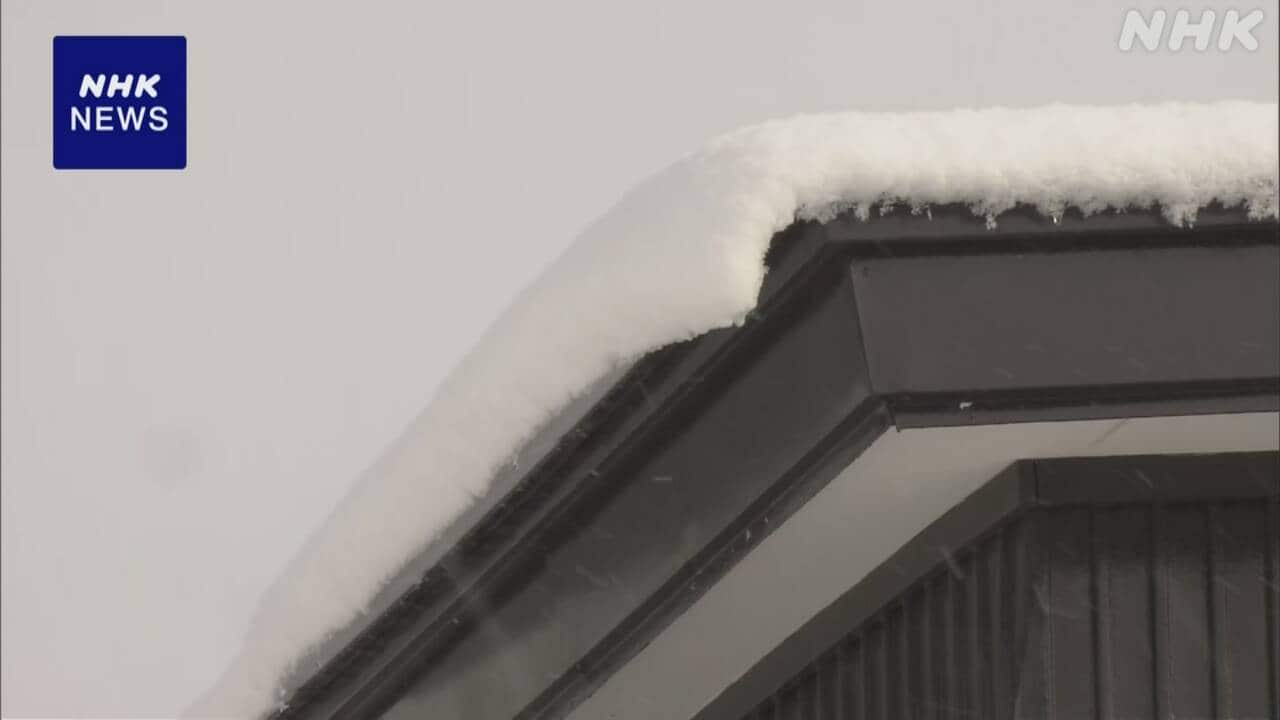
If you’ve ever dreamed of experiencing a true Japanese winter, the current situation along the Sea of Japan coast might both fascinate and surprise you. As snow blankets regions like Tohoku, Niigata, and Hokuriku with depths far beyond the norm, daily life has been transformed, and tragic stories of loss during snow removal efforts have emerged. For learners of Japanese, this isn’t just a news story—it’s a chance to dive into authentic language and cultural resilience. Let’s explore what’s happening, why it matters, and how you can learn from it.
Snowfall Overwhelms Japan’s Sea Coast
The areas along the 日本海側 (nihonkai-gawa - Sea of Japan side) are no strangers to snow, but this year’s 積雪 (sekisetsu - snow accumulation) has exceeded all expectations. In some spots, the snow has piled up to more than double the 平年 (heinen - average year) amount, with 断続的 (danzokuteki - intermittent) storms adding to the chaos. Transportation has ground to a halt, schools have shuttered, and local communities are struggling to keep up. If you’ve ever wondered how Japanese people adapt to extreme weather, this is a vivid example of grit in action.
But beyond the logistical strain, there’s a human cost. Many residents are engaged in 除雪作業 (josetsu sagyou - snow removal work), a grueling task of clearing rooftops and pathways. Tragically, this has led to several 死亡事故 (shibou jiko - fatal accidents), with falls and snow collapses claiming lives. Authorities are calling for heightened 注意 (chuui - caution) as the battle against the elements continues. These stories remind us of the real dangers behind the picturesque image of a snowy Japanese winter.
Cultural Context: Winter’s Impact on Community
Winter in Japan isn’t just about the cold—it’s deeply tied to geography and culture. The 日本海側 (nihonkai-gawa) regions face heavy snowfall due to cold air from Siberia picking up moisture over the Sea of Japan before dumping it as snow on land. This contrasts with the milder Pacific side, creating a stark divide in winter experiences across the country. Historically, communities in these snowy areas have relied on a strong 互助精神 (gojo seishin - spirit of mutual help), where neighbors shovel snow together, check on vulnerable residents, and ensure no one is left behind.
This communal spirit isn’t just practical—it’s a reflection of Japanese values of collective care. Snow removal becomes a shared duty, but as recent accidents show, it’s also a risky one. For language learners, understanding these cultural underpinnings helps explain why certain words and expressions around snow and safety are so specific and widely used in Japan. It’s not just about surviving winter; it’s about doing so together.
Learn Japanese from This Article
Let’s turn this real-world situation into a learning opportunity. Below, you’ll find key vocabulary, grammar patterns, and expressions pulled directly from the context of this winter crisis. These are terms and structures you’d hear in Japan, taught the way native speakers learn them—through lived experience.
Key Vocabulary
| Japanese | Romaji | Meaning |
|---|---|---|
| 日本海側 | nihonkai-gawa | Sea of Japan side |
| 積雪 | sekisetsu | snow accumulation |
| 除雪作業 | josetsu sagyou | snow removal work |
| 断続的 | danzokuteki | intermittent, sporadic |
| 死亡事故 | shibou jiko | fatal accident |
| 平年 | heinen | average year, typical year |
| 注意 | chuui | caution, attention |
Grammar Spotlight
〜ている (Ongoing Action or State) This pattern describes something that is currently happening or a state that persists. It’s incredibly common in Japanese for talking about ongoing situations like snowfall or work.
- Structure: Verb (stem form) + ている
- Examples:
- 雪が降っている。 (Yuki ga futteiru.
- It’s snowing.)
- 除雪作業をしている。 (Josetsu sagyou o shiteiru.
- I’m doing snow removal work.)
- 注意している。 (Chuui shiteiru.
- I’m being cautious.)
- Use this when describing actions or conditions happening right now. It’s a natural way to talk about the ongoing snow crisis in Japan.
〜を上回る (To Exceed, To Surpass) This expression is perfect for comparing quantities, like snow accumulation against the average.
- Structure: Noun + を + 上回る (uwamawaru)
- Examples:
- 積雪が平年を上回る。 (Sekisetsu ga heinen o uwamawaru.
- The snow accumulation exceeds the average year.)
- 予想を上回る雪だ。 (Yosou o uwamawaru yuki da.
- It’s snow beyond expectations.)
- Use this when you want to highlight something going beyond a certain level or expectation, a common theme in news like this.
Useful Expression
- 注意してください。 (Chuui shite kudasai.
- Please be careful.) This is a polite way to urge caution, something you’d hear from authorities or neighbors during dangerous conditions like heavy snow. It’s a practical phrase for everyday safety conversations in Japan.
Continue Learning
Ready to build on what you’ve learned here? Check out these lessons to deepen your understanding of Japanese language and culture:
- Ni, De, and E: Mapping Directions and Locations: Ready to dive deeper? Our lesson on Ni, De, and E: Mapping Directions and Locations will help you master these concepts.
- Wa vs. Ga: Emphasizing Importance in Sentences: Curious about the Japanese used here? Our Wa vs. Ga: Emphasizing Importance in Sentences lesson covers this in depth.
- Greetings and Self-Introductions: Authentic Entry Phrases: Ready to dive deeper? Our lesson on Greetings and Self-Introductions: Authentic Entry Phrases will help you master these concepts.
Closing Thoughts
Winter in Japan offers a unique lens into both the challenges and the beauty of life in this incredible country. By learning the language and cultural context behind events like this snowfall crisis, you’re not just memorizing words—you’re stepping into the lived experiences of Japanese people. Keep practicing, keep exploring, and let’s continue this journey together.
これからもよろしくお願いします。 Kore kara mo yoroshiku onegaishimasu.