
Hokkaido Blizzard: Nature’s Power and Japanese Resilience
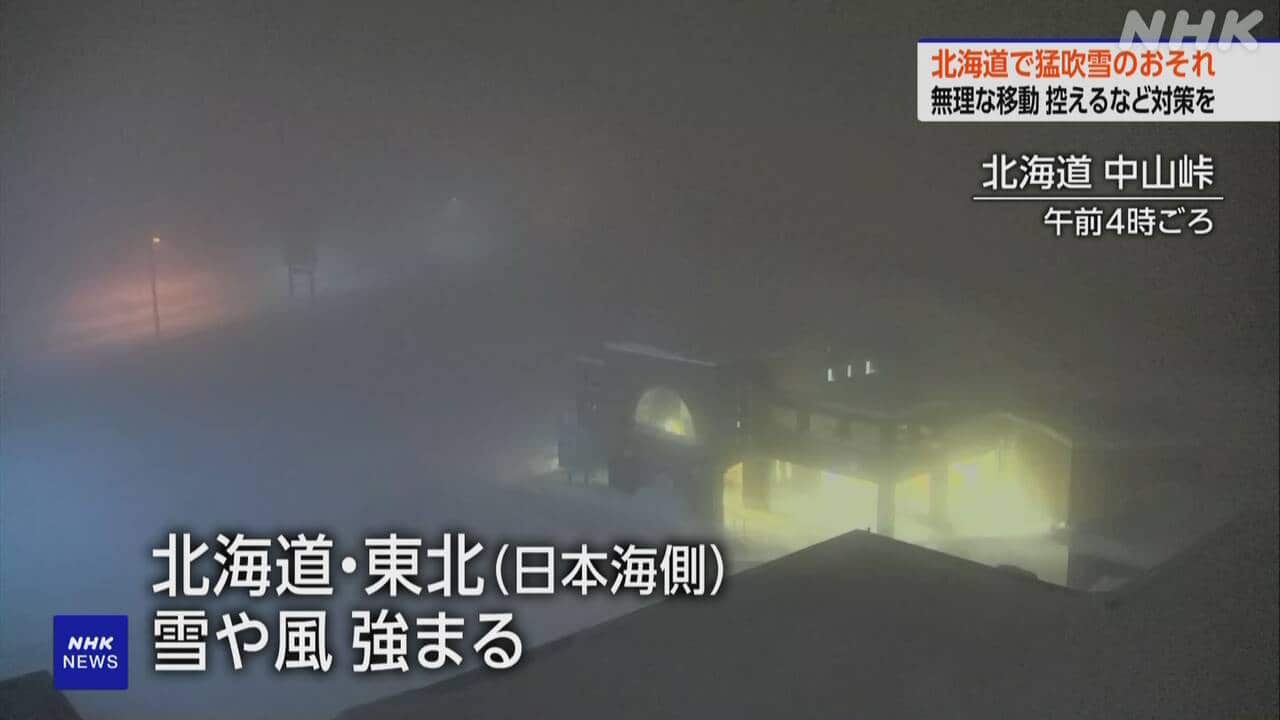
If you’ve ever dreamed of experiencing Japan’s breathtaking landscapes, the current weather in Hokkaido might give you a vivid, if chilling, picture of nature’s raw power. A fierce snowstorm is sweeping across Japan’s northernmost island, with blinding blizzards reducing visibility to almost nothing. For those of us learning Japanese, this isn’t just a weather update—it’s a window into the resilience and cultural depth of life in Japan, especially during the harshest winter months. Let’s dive into the storm, explore its cultural significance, and pick up some authentic Japanese language along the way.
The Storm Sweeping Hokkaido
On February 6, 2026, a powerful 低気圧 (teikiatsu, low-pressure system) unleashed chaos across Hokkaido, bringing heavy snowfall and intense winds that meteorologists describe as a 猛吹雪 (mōfubuki, violent blizzard). In many areas, the 見通し (mitōshi, visibility) has dropped so drastically that drivers and pedestrians can barely see a few feet ahead, creating dangerous conditions for 交通 (kōtsū, traffic or transportation). The 気象庁 (Kishōchō, Japan Meteorological Agency) has issued urgent warnings, emphasizing the need for 警戒 (keikai, caution or alertness) and advising against unnecessary travel.
The storm is expected to intensify over the weekend of February 7 to 8, particularly along the Sea of Japan side, where heavy snow will likely cause major disruptions. Even the lowland areas of southern Kanto near Tokyo might see a rare dusting of snow, a surprising event for a region used to milder winters. This blizzard isn’t just a passing event; it’s a reminder of how winter in Japan can test human limits, especially in places like Hokkaido.
Cultural Context: Winter as a Way of Life
Winter in Japan, particularly in northern regions like Hokkaido, is more than just cold weather—it’s a cultural force that shapes daily life. Hokkaido’s brutal winters have influenced everything from sturdy home designs built to handle heavy snow to iconic events like the 札幌雪まつり (Sapporo Yuki Matsuri, Sapporo Snow Festival), where snow and ice are transformed into stunning art. At the heart of enduring these harsh conditions is a deeply ingrained value called 我慢 (gaman, endurance or patience), which reflects the Japanese mindset of persevering through challenges with grace and determination.
When warnings about a 猛吹雪 (mōfubuki) dominate the news, it’s not just about staying safe; it’s about a collective understanding of pushing through nature’s obstacles. This spirit of 我慢 (gaman) is something you’ll hear in conversations during winter, whether it’s a neighbor braving the snow or a friend encouraging you to endure the cold. For language learners, understanding these cultural nuances brings you closer to speaking and thinking like a native, especially when discussing something as everyday—and yet profound—as the weather.
Learn Japanese from This Article
Weather events like this blizzard offer a perfect opportunity to learn authentic Japanese vocabulary and grammar, the way it’s used in real-life contexts in Japan. Let’s break down some key terms and patterns to help you navigate conversations about weather and resilience.
Essential Vocabulary
Here are some words pulled straight from the news and cultural context of this storm. Memorize these, and you’ll be better equipped to discuss weather or understand Japanese news reports.
| Japanese | Romaji | Meaning |
|---|---|---|
| 猛吹雪 | mōfubuki | violent blizzard |
| 低気圧 | teikiatsu | low-pressure system |
| 気象庁 | Kishōchō | Japan Meteorological Agency |
| 見通し | mitōshi | visibility, outlook |
| 警戒 | keikai | caution, alertness |
| 交通 | kōtsū | traffic, transportation |
| 我慢 | gaman | endurance, patience |
Grammar Spotlight: 〜ている (Ongoing Action or State)
One grammar pattern you’ll often hear in weather reports or descriptions of ongoing situations is 〜ている, which indicates a continuing action or state. It’s like adding “-ing” in English, but it can also describe a current condition.
- Structure: Verb stem + ている
Examples:
- 雪が降っている。 (Yuki ga futteiru.) - It’s snowing.
- 風が強く吹いている。 (Kaze ga tsuyoku fuiteiru.) - The wind is blowing strongly.
- 交通が止まっている。 (Kōtsū ga tomatteiru.) - Traffic is stopped.
When to Use: Use 〜ている to describe something happening right now or a state that persists, like the weather or an ongoing situation. In the context of this blizzard, it’s perfect for talking about the snow falling or the wind raging.
Grammar Spotlight: 〜よう呼びかける (To Urge or Call For)
Another useful expression seen in news warnings is 〜よう呼びかける, which means “to urge” or “to call for” someone to take action. It’s often used in formal or public announcements.
- Structure: Verb (dictionary form) + よう + 呼びかける
- Examples:
- 外出しないよう呼びかける。 (Gaishutsu shinai yō yobikakeru.) - Urging people not to go outside.
- 警戒するよう呼びかける。 (Keikai suru yō yobikakeru.) - Calling for caution.
- When to Use: This pattern is common in official statements, like those from the 気象庁 (Kishōchō), when authorities want to encourage specific behavior for safety. It’s a polite yet firm way to give advice or warnings.
Continue Learning
Ready to build on what you’ve learned from this article? Check out these lessons from “Japanese from Japan” to deepen your understanding of the language and culture:
- Basic Vocabulary Building: Embracing Words Without Latin Ties: Ready to dive deeper? Our lesson on Basic Vocabulary Building: Embracing Words Without Latin Ties will help you master these concepts.
- Ni, De, and E: Mapping Directions and Locations: Curious about the Japanese used here? Our Ni, De, and E: Mapping Directions and Locations lesson covers this in depth.
- Greetings and Self-Introductions: Authentic Entry Phrases: Curious about the Japanese used here? Our Greetings and Self-Introductions: Authentic Entry Phrases lesson covers this in depth.
Winter storms like the one in Hokkaido remind us of the beauty and challenges of Japan’s natural world, and learning the language behind these events connects us to the culture in a meaningful way. Keep practicing, and you’ll soon be chatting about the weather—or enduring it—with the same resilience as the people of Hokkaido.
これからもよろしくお願いします。 Kore kara mo yoroshiku onegaishimasu.