
Dangerous Behavior at Yamanaka Lake: A Winter Warning from Japan
Imagine standing at the edge of a frozen lake, the majestic 富士山 (Fuji-san), Mount Fuji, looming in the distance, its snowy peak glowing red under the morning sun—a phenomenon locals call 紅富士 (beni-Fuji), or "red Fuji." It’s a breathtaking sight at 山中湖 (Yamanaka-ko), one of the five lakes near Fuji in Yamanashi Prefecture. But as winter tightens its grip, this serene beauty hides a deadly danger. If you’ve ever dreamed of visiting Japan in winter, this story from Yamanaka Lake serves as both a warning and a window into authentic Japanese culture—and a chance to learn the language as it’s spoken on the ground.
A Risky Trend on Frozen Waters
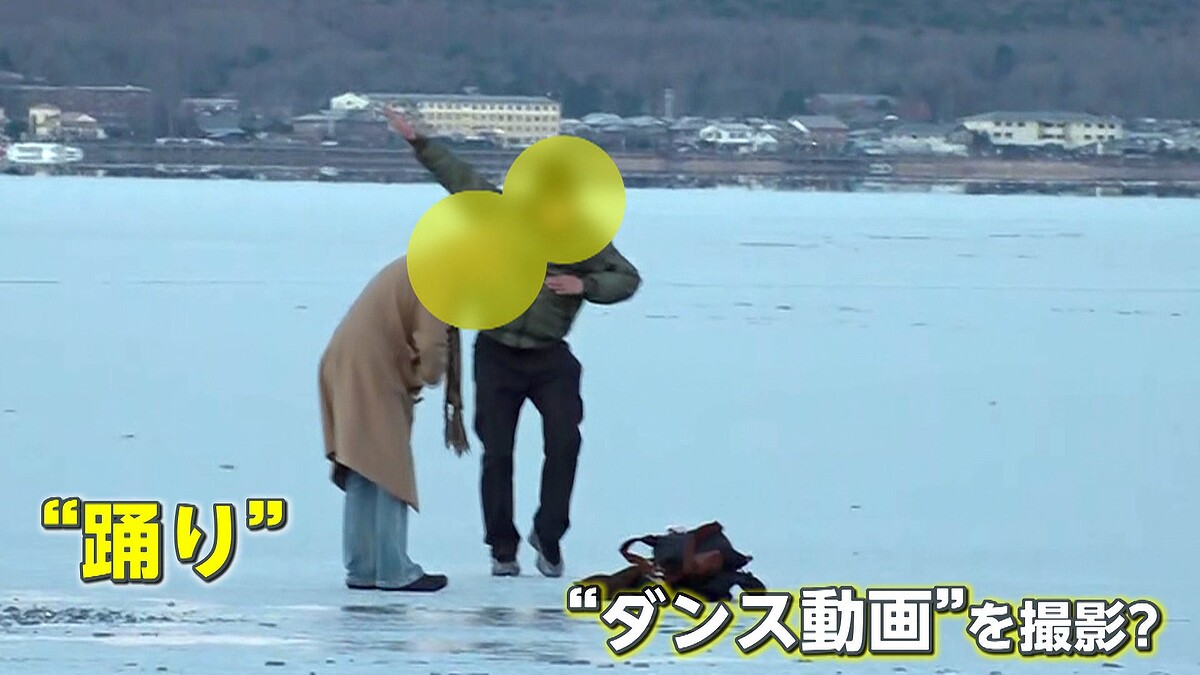
In recent weeks, a troubling trend has emerged at Yamanaka Lake. With temperatures dropping to minus 10 degrees Celsius, the lake’s surface freezes into a deceptive sheet of 氷 (kōri), or ice. Despite the obvious 危険 (kiken), meaning danger or risk, some 観光客 (kankōkyaku), or tourists, have been seen walking, standing, and even jumping on the fragile ice. The problem? This ice often isn’t thick enough to hold a person’s weight. If it breaks, falling into the freezing water could be fatal.
Local residents from the 地元 (jimoto), or hometown area, have had enough. On frigid mornings, their shouts of warning echo across the lake: “Hey! Get off the ice! If you fall through, you’ll die!” Their frustration is palpable, but it comes from a place of deep concern. They’re issuing a desperate call for 注意 (chūi), or caution, hoping to prevent a tragedy during this 厳しい (kibishii), harsh, winter season.
A Call to Stay Safe
The anger from locals isn’t just about annoyance—it’s about protecting lives. Yamanaka Lake’s icy beauty, paired with the stunning view of Mount Fuji, draws countless visitors each winter. Yet many underestimate the risks of stepping onto the frozen surface. Authorities and residents are now urgently spreading awareness, reminding everyone that a single careless moment could have devastating consequences. Their message is clear: admire the view, but respect nature’s power.
Cultural Context: Nature, Responsibility, and Tension
In Japan, places like Yamanaka Lake aren’t just tourist spots—they carry deep spiritual meaning. Mount Fuji, or 富士山 (Fuji-san), is a sacred symbol, and the surrounding lakes are seen as part of its natural harmony. Winter transforms these areas into scenes of ethereal beauty, but also danger, reflecting the Japanese reverence for nature’s dual nature. The locals’ protective warnings embody a cultural value of communal responsibility—looking out for others, even strangers, is second nature.
This incident also sheds light on a broader tension in Japan: balancing tourism with safety. As more visitors flock to iconic spots, clashes arise between preserving natural beauty and ensuring human safety. For learners of Japanese, this is a reminder that language isn’t just words—it’s tied to values and real-world situations like this one.
Learn Japanese from This Article
Let’s dive into some practical language lessons straight from this story. These words and grammar points will help you navigate conversations about safety, nature, and travel in Japan, just as locals do.
Key Vocabulary
| Japanese | Romaji | Meaning |
|---|---|---|
| 危険 | kiken | danger, risk |
| 氷 | kōri | ice |
| 観光客 | kankōkyaku | tourist |
| 紅富士 | beni-Fuji | red Fuji (Mount Fuji at sunrise) |
| 地元 | jimoto | local area, hometown |
| 注意 | chūi | caution, warning |
| 厳しい | kibishii | harsh, severe |
These words are incredibly useful for understanding warnings or discussing travel in Japan. For instance, if you hear 注意 (chūi) in a public announcement, you’ll know to pay attention to a cautionary message.
Grammar Spotlight: 〜ている (Ongoing Action/State) and 〜たら (Conditional)
〜ている: This form describes an ongoing action or state. It’s often used to talk about something happening right now or a continuing situation.
- Structure: Verb stem + ている
- Example 1: 氷が凍っている。 (Kōri ga kōtteiru.) - The ice is frozen.
- Example 2: 観光客が氷の上に立っている。 (Kankōkyaku ga kōri no ue ni tatteiru.) - Tourists are standing on the ice.
- When to use: Use this to describe what’s currently happening, like the state of the ice or someone’s actions at the lake.
〜たら: This conditional form indicates a consequence or hypothetical situation, often translated as “if” or “when.”
- Structure: Verb past tense + ら
- Example 1: 氷が割れたら、死ぬかもしれない。 (Kōri ga ware tara, shinu kamoshirenai.) - If the ice breaks, you might die.
- Example 2: 注意しなかったら、危険だ。 (Chūi shinakatta ra, kiken da.) - If you don’t pay attention, it’s dangerous.
- When to use: Perfect for warnings or hypothetical dangers, as locals might use when shouting at tourists.
These patterns are straight from real Japanese usage—learning them this way helps you think like a native speaker, not just memorize textbook rules.
Useful Expression
Here’s a phrase you might hear or need in a similar situation:
- 気をつけてください! (Ki o tsukete kudasai!) - Please be careful! This polite request is a go-to for expressing concern or warning someone, whether you’re a local or a traveler.
Continue Learning
Want to build on what you’ve learned here? Check out these lessons to deepen your understanding of Japanese grammar and usage:
- Wa vs. Ga: Emphasizing Importance in Sentences: To understand more about は, explore our Wa vs. Ga: Emphasizing Importance in Sentences lesson.
- Ni, De, and E: Mapping Directions and Locations: Ready to dive deeper? Our lesson on Ni, De, and E: Mapping Directions and Locations will help you master these concepts.
- Masu Form: Mastering Polite Everyday Speech: Want to understand the verb forms used here? Check out Masu Form: Mastering Polite Everyday Speech.
Closing Thoughts
Stories like the one from Yamanaka Lake remind us that learning Japanese isn’t just about words—it’s about connecting with the culture, understanding the people, and respecting the environment. Whether you’re planning a winter trip to Japan or just studying from afar, let this be a lesson in both language and life: beauty and danger often go hand in hand, and a little 注意 (chūi) goes a long way. Keep practicing, and you’ll soon be navigating these real-world situations with confidence.
これからもよろしくお願いします。 Kore kara mo yoroshiku onegaishimasu.