
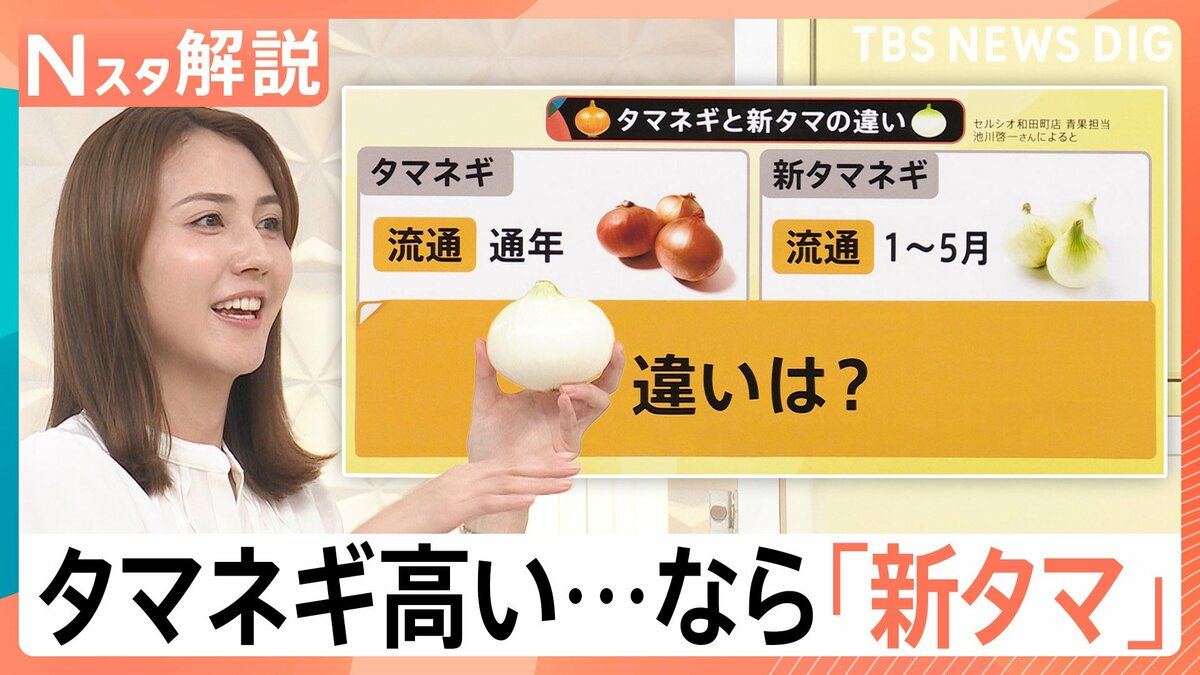
Discover Japan's Seasonal Gem: Shin-Tamanegi (New Onions)
Imagine wandering through a lively Japanese supermarket in early spring, the air buzzing with chatter and the shelves bursting with vibrant produce. Suddenly, a special display catches your eye, labeled 新タマネギ (shin-tamanegi)—new onions. If you’ve ever wondered how something as ordinary as an onion could spark excitement, you’re about to discover a delightful slice of Japanese life. According to a recent Livedoor news segment, these seasonal treasures are not only a bargain right now due to a bumper crop, but they also reveal so much about Japan’s food culture and language. Let’s dive in and unpack what makes 新タマネギ (shin-tamanegi) so special!
What Are Shin-Tamanegi?
At first glance, you might think an onion is just an onion, but in Japan, there’s a clear distinction between the everyday タマネギ (tamanegi)—regular onions—and the seasonal 新タマネギ (shin-tamanegi). As explained by caster Junna Yamagata on N-Sta, the difference comes down to how they’re handled after harvest. Regular タマネギ (tamanegi) are dried for about a month through a process called 乾燥 (kansō), which gives them that familiar brownish skin and makes them available year-round. In contrast, 新タマネギ (shin-tamanegi) are rushed to stores right after picking, skipping the drying step. This means they retain more 水分 (suibun)—moisture—making them juicier and tender, with a thinner skin.
Available only from January to May, these “new onions” are a limited-time treat. Thanks to this year’s 豊作 (hōsaku)—abundant harvest—they’re also more affordable than their regular counterparts. Supermarkets across Japan are highlighting them with recipes and tips, encouraging shoppers to enjoy their unique texture in fresh salads or even raw. If you’re in Japan during this window, you’ll see how the 流通 (ryūtsū)—distribution—of seasonal goods creates a buzz that’s hard to miss.
Cultural Context: The Beauty of Shun (Seasonality)
In Japan, food isn’t just sustenance; it’s a celebration of nature’s rhythm. This is where the concept of 旬 (shun)—the peak season for produce—comes into play. Unlike in many Western countries where most fruits and vegetables are available year-round, Japanese cuisine and shopping habits revolve around what’s freshest right now. 新タマネギ (shin-tamanegi) embody this idea perfectly. Their short availability window makes them a cherished ingredient, valued for qualities that dried onions can’t match.
This focus on 旬 (shun) reflects a deeper cultural appreciation for the cycles of nature, woven into everything from traditional kaiseki meals to modern grocery trends. Even media plays a role—TV shows like N-Sta often feature segments explaining the “why” behind seasonal items, connecting consumers with farmers. For language learners, tuning into these everyday moments offers a window into Japanese life. It’s not just about learning words; it’s about understanding why a simple vegetable can become a national talking point.
Learn Japanese from This Article
Let’s turn this cultural insight into a language lesson! Below, you’ll find key vocabulary from the world of 新タマネギ (shin-tamanegi), along with grammar patterns that will help you talk about reasons and suitability—perfect for discussing food or shopping in Japanese the way natives do.
Key Vocabulary
| Japanese | Romaji | Meaning |
|---|---|---|
| 新タマネギ | shin-tamanegi | new onion (seasonal onion) |
| タマネギ | tamanegi | onion |
| 豊作 | hōsaku | abundant harvest, bumper crop |
| 旬 | shun | season (for produce), peak freshness |
| 乾燥 | kansō | drying, desiccation |
| 流通 | ryūtsū | distribution, circulation |
| 水分 | suibun | moisture, water content |
Grammar Spotlight: 〜のため (Because of, Due to)
One useful pattern for explaining reasons in Japanese is 〜のため (~no tame), which means “because of” or “for the sake of.” It’s often used in formal or explanatory contexts, like news reports or when giving a detailed reason.
- Structure: [Reason/cause] + のため
- Example Sentences:
- 豊作のため、新タマネギが安いです。 (Hōsaku no tame, shin-tamanegi ga yasui desu.) Because of the abundant harvest, new onions are cheap.
- 水分が多いため、生で食べても美味しいです。 (Suibun ga ōi no tame, nama de tabete mo oishii desu.) Due to their high moisture content, they’re delicious even when eaten raw.
- 旬のため、今だけ特別な味が楽しめます。 (Shun no tame, ima dake tokubetsu na aji ga tanoshimemasu.) Because it’s their peak season, you can enjoy a special flavor only now.
Use 〜のため when you want to sound a bit more polished or when explaining cause-and-effect relationships, like why a product is popular or affordable.
Grammar Spotlight: 〜に向いている (To Be Suited For)
Another handy expression is 〜に向いている (~ni muite iru), which means “to be suited for” or “to be appropriate for.” It’s great for talking about what something is good for, like cooking methods or purposes.
- Structure: [Object/thing] + に向いている
- Example Sentences:
- 新タマネギはサラダに向いています。 (Shin-tamanegi wa sarada ni muite imasu.) New onions are suited for salads.
- 乾燥したタマネギは長期間保存に向いています。 (Kansō shita tamanegi wa chōkikan hozon ni muite imasu.) Dried onions are suitable for long-term storage.
This pattern is perfect for giving recommendations or explaining why something works well in a specific context—think food, tools, or even skills!
Continue Learning
Want to dig deeper into the nuances of Japanese language and culture? Check out these lessons from “Japanese from Japan” to build on what you’ve learned today:
- Wa vs. Ga: Emphasizing Importance in Sentences: Curious about the Japanese used here? Our Wa vs. Ga: Emphasizing Importance in Sentences lesson covers this in depth.
- Ni, De, and E: Mapping Directions and Locations: To understand more about に, explore our Ni, De, and E: Mapping Directions and Locations lesson.
- Greetings and Self-Introductions: Authentic Entry Phrases: To understand more about culture, explore our Greetings and Self-Introductions: Authentic Entry Phrases lesson.
Closing Thoughts
Next time you’re in a Japanese supermarket—or even just daydreaming about one—keep an eye out for seasonal treats like 新タマネギ (shin-tamanegi). They’re more than just onions; they’re a taste of Japan’s deep connection to nature and a chance to learn authentic language in context. Keep exploring these everyday moments, and you’ll find your Japanese skills growing alongside your cultural understanding. これからもよろしくお願いします。 Kore kara mo yoroshiku onegaishimasu.