
Shocking Accident in Yokohama: Learn Japanese Through Real News
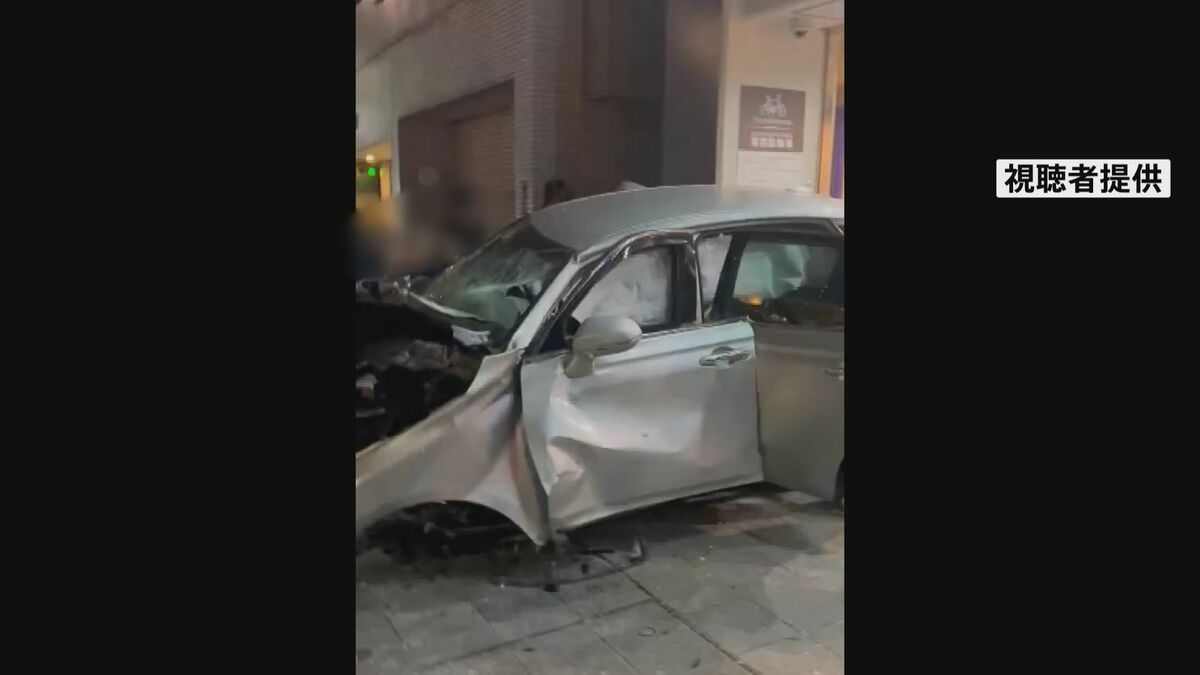
Have you ever wondered how real-life events in Japan can deepen your understanding of the language and culture? On the night of January 26, 2026, a tragic accident in Yokohama’s Naka Ward made headlines when a car crashed into a sports gym, injuring three people. As a learner with "Japanese from Japan," diving into stories like this isn’t just about the news—it’s about connecting with the authentic Japanese language and societal values the way native speakers experience them. Let’s unpack this incident, explore its cultural significance, and pick up some practical language skills along the way.
The Tragic Crash in Yokohama
Picture this: it’s 9 p.m. on a chilly January night in Akebonocho, a lively area of Yokohama’s Naka Ward. Suddenly, chaos erupts as a passenger car loses control, striking pedestrians and crashing into a sports gym. Emergency services received a desperate 通報 (tsuuhou, report) from a passerby, alerting them to the 事故 (jiko, accident). According to reports, the car hit a 歩行者 (hokousha, pedestrian) before it 突っ込む (tsukkkomu, crashed into) the gym’s storefront, causing devastation at the 現場 (genba, scene of the incident).
Of the three people injured, two—one pedestrian and one person in the car—are in critical condition, described as having 重傷 (juushou, serious injury). The third person, also in the car, sustained lighter injuries. Police are now investigating the circumstances, a process that reflects Japan’s meticulous approach to public safety. For learners like you, this isn’t just a story—it’s a window into how Japanese is used in urgent, real-world contexts.
The Urban Setting of Naka Ward
The crash happened near Hanshinbashi Station on the Yokohama Municipal Subway Blue Line, in a bustling part of Naka Ward. This area is packed with 飲食店 (inshokuten, restaurants or eateries) and shops, drawing crowds even late at night. If you’ve ever imagined life in Japan, this is it: tightly packed urban spaces where daily routines—like grabbing a bite or hitting the gym—can intersect with unexpected tragedy. Understanding the language tied to locations and emergencies can help you navigate these settings, whether you’re reading news or traveling in Japan.
Cultural Context: Safety and Responsibility in Japan
Beyond the headlines, this incident reveals deeper layers of Japanese culture. Urban life in Japan often means living in close quarters, where space is limited, and safety is paramount. When an 事故 (jiko, accident) like this occurs, it shakes a society that values order and public well-being. One key detail is the emergency response system—dialing 119番通報 (hyaku juu kyuu ban tsuuhou, emergency call to 119) for fire or ambulance services, unlike the 911 system in many Western countries. This small difference highlights how systems in Japan are uniquely structured.
Moreover, the immediate police investigation underscores a cultural emphasis on responsibility and accountability. In Japan, resolving incidents isn’t just about finding fault—it’s about restoring harmony and ensuring it doesn’t happen again. For you as a learner, these cultural nuances embedded in language offer a richer perspective on how Japanese people react to crises and prioritize community safety.
Learn Japanese from This Article
Let’s turn this real-life story into a learning opportunity. Here, you’ll find vocabulary straight from the news, grammar patterns to express complex ideas, and useful expressions that reflect authentic Japanese usage.
Key Vocabulary
| Japanese | Romaji | Meaning |
|---|---|---|
| 事故 | jiko | accident |
| 重傷 | juushou | serious injury |
| 歩行者 | hokousha | pedestrian |
| 突っ込む | tsukkkomu | to crash into, to plunge into |
| 現場 | genba | scene (of an incident), site |
| 通報 | tsuuhou | report, notification |
| 飲食店 | inshokuten | restaurant, eatery |
These words aren’t just for reading news—they’re practical for everyday conversations about safety, travel, or describing events in Japan. Try using 現場 (genba) when talking about a place where something happened, or 通報 (tsuuhou) when discussing emergency reports.
Grammar Spotlight
Let’s focus on two grammar patterns that help you describe events and actions like those in this story.
〜ということです (to iu koto desu): It is said that, it means that
This pattern is often used in news reports or formal explanations to summarize or quote information.
- Structure: [Statement/Information] + ということです
- Example 1: 車がジムに突っ込んだということです。(Kuruma ga jimu ni tsukkonda to iu koto desu.) - It is said that the car crashed into the gym.
- Example 2: 二人が重傷だということです。(Futari ga juushou da to iu koto desu.) - It means that two people are seriously injured.
- When to Use: Use this to report information indirectly, often in formal or written contexts like news or storytelling. It adds a layer of objectivity, as if you’re relaying what you’ve heard.
〜ながら (nagara): While, at the same time as
This pattern describes two actions happening simultaneously, often used to set the scene or explain circumstances.
- Structure: [Verb stem] + ながら
- Example 1: 歩行者を巻き込みながら車が突っ込んだ。(Hokousha o makikominagara kuruma ga tsukkonda.) - The car crashed while involving pedestrians.
- Example 2: 電話をしながら通報した。(Denwa o shinagara tsuuhou shita.) - I made a report while on the phone.
- When to Use: Use this to connect two actions happening at the same time. It’s great for describing dynamic scenes like accidents or multitasking situations. Note that the subject of both actions must be the same.
Useful Expression
One phrase you’ll hear in emergency contexts is 119番通報 (hyaku juu kyuu ban tsuuhou, emergency call to 119). It’s a direct way to talk about reporting an incident to fire or ambulance services in Japan. If you’re ever in a situation or reading about one, knowing this can help you understand or communicate urgency.
Continue Learning
Ready to build on what you’ve learned from this story? Check out these lessons to deepen your skills:
- Ni, De, and E: Mapping Directions and Locations: Ready to dive deeper? Our lesson on Ni, De, and E: Mapping Directions and Locations will help you master these concepts.
- Greetings and Self-Introductions: Authentic Entry Phrases: To understand more about culture, explore our Greetings and Self-Introductions: Authentic Entry Phrases lesson.
- Wa vs. Ga: Emphasizing Importance in Sentences: Curious about the Japanese used here? Our Wa vs. Ga: Emphasizing Importance in Sentences lesson covers this in depth.
Learning Japanese through real stories like this one brings the language to life. Keep exploring with us, and you’ll find yourself understanding not just the words, but the heart of Japan itself.
これからもよろしくお願いします。 Kore kara mo yoroshiku onegaishimasu.