
A Nature-Loving Comedian’s Quirky Live Event in Tokyo
If you’ve ever flipped through Japanese entertainment news or stumbled across a variety show, you’ve likely encountered the wild and wacky world of お笑い (owarai - comedy). It’s a cornerstone of Japanese pop culture, filled with physical gags, absurd humor, and personalities that are larger than life. Today, we’re diving into a unique event that perfectly captures this spirit—a live talk show hosted by a comedian who’s as passionate about 自然 (shizen - nature) as he is about making people laugh. Let’s explore this upcoming spectacle in Tokyo and see what it can teach us about Japanese language and culture!
A Unique Comedy Event in Shibuya
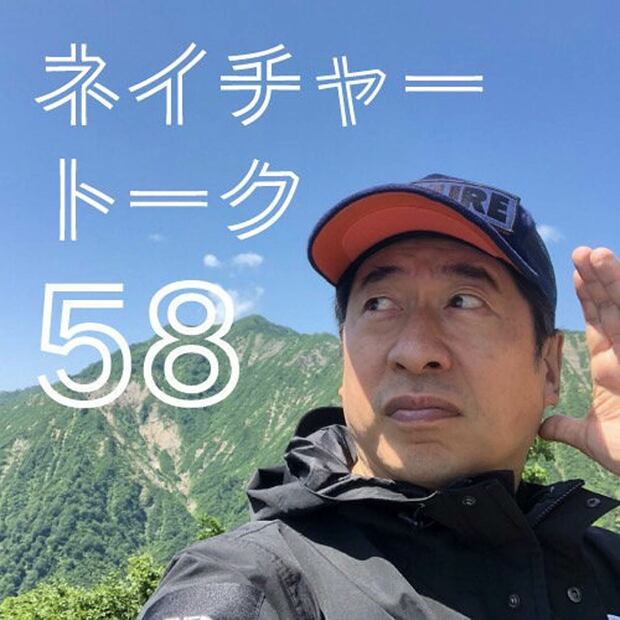
Mark your calendars for January 30, 2026, because something truly unusual is happening at LOFT9 Shibuya (LOFT9 Shibuya), a hotspot for alternative events in Tokyo’s vibrant Shibuya district. The event, called ネイチャートークライブ58 (Nature Talk Live 58), is hosted by 寺門ジモン (Terakado Jimon), a 63-year-old member of the iconic comedy trio ダチョウ倶楽部 (Dachou Kurabu - Ostrich Club). With over 15 years of history, this talk live showcases Jimon’s alter ego, ネイチャージモン (Nature Jimon), blending his love for the natural world with his comedic charm.
This time, Jimon isn’t alone on stage. He’s joined by fellow comedians サブロクそうすけ (Saburoku Sousuke) and オラキオ (Orakio), who 慕う (shitau - look up to) him as a mentor. Together, they’ll tackle a range of topics, from gourmet food discussions to hilarious skits. One fun segment even involves the 観客 (kankyaku - audience) bringing photos of dishes they’ve cooked, with the group picking the best one. Jimon playfully describes the event as a “foolish live show that conveys the voice of the Earth,” promising laughter, urban legends (都市伝説, toshidensetsu), and a gathering of “clumsy comedians.” With a cheeky challenge, he laughs, “Can you handle it?” and warmly invites everyone to join the fun at this 開催 (kaisai - hosting) of a truly unique event.
Cultural Context: The Raw Energy of Japanese Comedy
If you’re new to Japanese entertainment, ダチョウ倶楽部 (Dachou Kurabu) is a household name, a comedy trio that’s been cracking up audiences since the 1980s with their over-the-top physical humor and absurd antics. This style of comedy, known as お笑い (owarai), is a cultural phenomenon in Japan, often seen on variety shows where 芸人 (geinin - comedians) like Jimon shine. What sets Jimon apart is his deep love for nature, which he weaves into events like ネイチャートークライブ (Nature Talk Live).
Unlike the polished stand-up comedy you might be used to in the West, Japanese talk lives are raw, interactive, and often chaotic. Held in intimate venues like LOFT9 Shibuya, they blend humor with personal stories and audience participation. This creates a casual vibe that contrasts with the formality often associated with Japanese culture. For learners like you, this glimpse into お笑い shows how humor and community connect in everyday life, offering a more unscripted, relatable side of Japan.
Learn Japanese from This Article
Events like this aren’t just entertaining—they’re a goldmine for learning authentic Japanese. The language used by comedians like Jimon is casual, lively, and full of cultural nuances you won’t find in textbooks. Let’s break down some key vocabulary and grammar from this story to help you level up your skills.
Key Vocabulary
Here are some words and phrases tied to this event that you’ll hear in conversations about entertainment and culture in Japan:
| Japanese | Romaji | Meaning |
|---|---|---|
| 自然 | shizen | nature, natural |
| 開催 | kaisai | holding (an event), hosting |
| 登壇 | toudan | taking the stage, appearing (formal) |
| 芸人 | geinin | comedian, entertainer |
| 慕う | shitau | to look up to, to admire |
| 観客 | kankyaku | audience, spectators |
| 都市伝説 | toshidensetsu | urban legend |
Grammar Spotlight: 〜とともに (Together With)
One useful pattern from this story is 〜とともに (to tomo ni), which means “together with” or “along with.” It’s often used in formal or written contexts but can appear in conversations to express doing something alongside someone or something else.
- Structure: Noun + とともに
- Example 1: 仲間とともに登壇します。 (Nakama to tomo ni toudan shimasu.
- I will take the stage together with my friends.)
- Example 2: 自然とともに生きる。 (Shizen to tomo ni ikiru.
- Living together with nature.)
- Example 3: 観客とともに楽しむ。 (Kankyaku to tomo ni tanoshimu.
- Enjoying together with the audience.)
This pattern is perfect for describing collaborative efforts or shared experiences, like Jimon performing with his fellow comedians. It adds a sense of unity to your sentences.
Useful Expression: 〜てください (Please Do)
Another handy structure is 〜てください (te kudasai), a polite way to make a request, meaning “please do.” You’ll hear this often in invitations or when someone asks for help.
- Structure: Verb (te-form) + ください
- Example 1: 来てください。 (Kite kudasai.
- Please come.)
- Example 2: 友達を連れてきてください。 (Tomodachi o tsurete kite kudasai.
- Please bring your friends.)
- Example 3: 楽しんでください。 (Tanoshinde kudasai.
- Please enjoy.)
Jimon’s warm invitation to the event could easily be phrased with this structure, reflecting the polite yet friendly tone common in Japanese interactions.
Continue Learning
Ready to dive deeper into Japanese grammar and usage? Check out these lessons to build on what you’ve learned today:
- Wa vs. Ga: Emphasizing Importance in Sentences: Want to learn more about は? Check out our lesson on Wa vs. Ga: Emphasizing Importance in Sentences.
- Ni, De, and E: Mapping Directions and Locations: Ready to dive deeper? Our lesson on Ni, De, and E: Mapping Directions and Locations will help you master these concepts.
- Masu Form: Mastering Polite Everyday Speech: Want to understand the verb forms used here? Check out Masu Form: Mastering Polite Everyday Speech.
Let’s Keep Laughing and Learning Together
Exploring events like ネイチャートークライブ (Nature Talk Live) shows us that Japanese isn’t just about memorizing words—it’s about understanding the heart and humor behind them. Whether it’s Jimon’s passion for nature or the casual chaos of お笑い (owarai), there’s so much to learn from real-life stories like this. Keep practicing with the vocab and grammar we’ve covered, and you’ll soon be laughing along with the best of them. これからもよろしくお願いします。 (Kore kara mo yoroshiku onegaishimasu.)