
Manga Meets Manners: Unpacking "Demon King’s Army" and Omiyage Culture
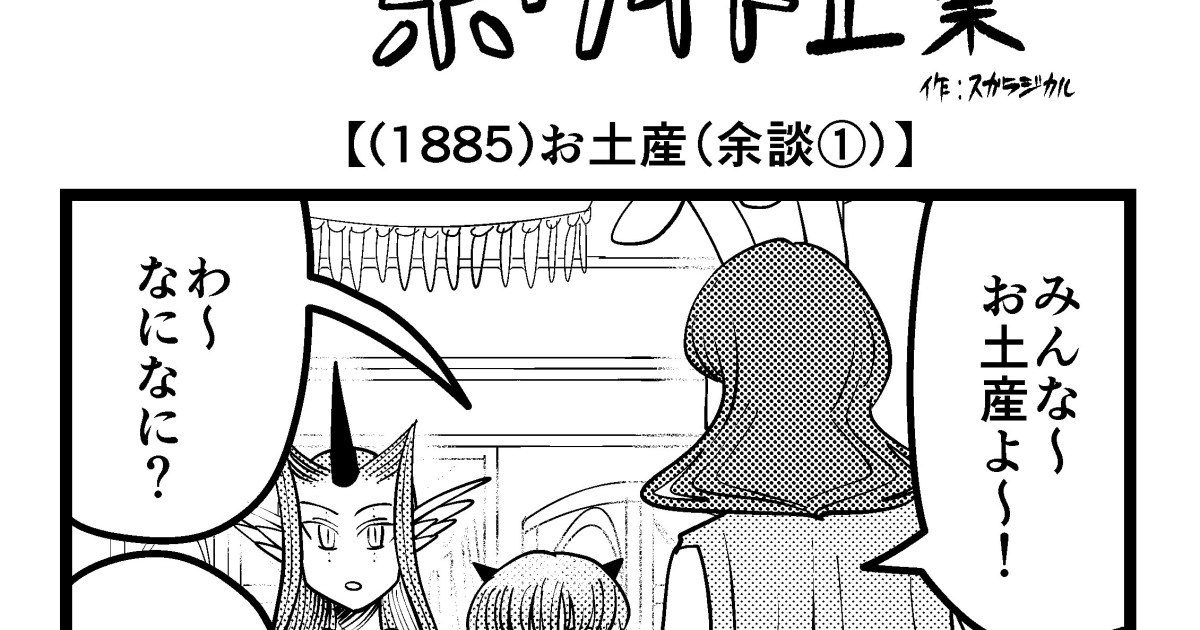
If you’ve ever dived into the colorful world of Japanese webcomics, you’ll know they often blend the fantastical with the everyday in ways that catch you off guard. Imagine a demon army, straight out of a dark fantasy epic, fussing over souvenirs after a trip. Sounds bizarre? That’s exactly the charm of the 1885th episode of the popular 4-panel manga “Demon King’s Army is a White Company” by artist Sugara Jikaru, shared by Rocket News on January 30, 2026. Titled お土産(余談①) (omiyage (yodan ①)), or "souvenir (side story ①)," this episode offers a hilarious glimpse into a very Japanese tradition through the lens of supernatural characters. Let’s unpack the story, the culture behind it, and pick up some authentic Japanese along the way!
A Side Story with Heart
In this bite-sized episode, the manga steps away from epic demon battles to zoom in on something far more relatable: the custom of giving お土産 (omiyage), a souvenir or gift brought back from a trip. The demon army characters tackle this tradition with their own quirky, otherworldly spin, turning a mundane act into a source of workplace humor. Picture a demon awkwardly handing over a local snack to a coworker, mirroring the kind of banter you’d overhear in any Japanese 職場 (shokuba), or office. It’s a subtle nod to how deeply ingrained cultural habits like thoughtfulness and reciprocity are in Japan, even in a fantasy setting. This “side story” isn’t part of the main plot, but it’s a delightful detour that makes the characters feel more human—and gives us a chance to learn something uniquely Japanese.
Cultural Context: The Power of Omiyage
So, why are these demons so hung up on souvenirs? The concept of お土産 (omiyage) is more than just a polite gesture; it’s a cornerstone of Japanese social harmony and 感謝 (kansha), or gratitude. When someone goes on a 旅行 (ryokou), a trip, whether for work or fun, it’s almost a given that they’ll return with small gifts—think regional sweets or trinkets—for friends, family, or 同僚 (douryou), colleagues. This isn’t just about being nice; it’s a way to share a piece of the journey and strengthen bonds. In a 職場 (shokuba), forgetting to bring back お土産 after a business trip might even be seen as a faux pas!
This manga plays on that expectation for laughs, showing how even supernatural beings can’t escape Japan’s unspoken social rules. For Japanese readers, the humor is instant—they’ve lived this scenario. For learners like you, it’s a window into a 習慣 (shuukan), or custom, that shapes daily life in Japan. Understanding these little cultural quirks through 漫画 (manga) isn’t just fun; it’s how you start thinking and communicating like a native.
Learn Japanese from This Article
Ready to pick up some authentic Japanese from this quirky manga episode? Let’s break down key vocabulary and grammar patterns that’ll help you navigate both conversations and cultural nuances like the ones in this story.
Key Vocabulary
Here are some essential words tied to the story and the broader cultural context. These are terms you’ll hear often in real-life situations in Japan:
| Japanese | Romaji | Meaning |
|---|---|---|
| お土産 | omiyage | souvenir, gift from a trip |
| 旅行 | ryokou | travel, trip |
| 同僚 | douryou | colleague, coworker |
| 職場 | shokuba | workplace, office |
| 習慣 | shuukan | custom, habit |
| 感謝 | kansha | gratitude, thanks |
| 漫画 | manga | comic, cartoon |
Grammar Spotlight: Expressing Obligation and Trying Something New
Let’s dive into two useful grammar patterns that can help you talk about cultural expectations like bringing お土産 (omiyage) or trying new experiences in Japan.
1. 〜なければならない (~nakereba naranai) - Must, Have to
This structure expresses obligation or necessity, often tied to social rules or responsibilities. It’s perfect for situations like the one in the manga, where characters feel they must follow a custom.
- Structure: Verb (negative stem) + なければならない
Examples:
- 旅行の後、お土産を買わなければならない。 (Ryokou no ato, omiyage o kawanakereba naranai.) After a trip, I must buy souvenirs.
- 同僚に挨拶しなければならない。 (Douryou ni aisatsu shinakereba naranai.) I have to greet my colleagues.
- 職場のルールを守らなければならない。 (Shokuba no ruuru o mamoranakereba naranai.) I must follow the workplace rules.
When to Use: Use this when talking about duties or obligations, especially in formal or polite contexts. It reflects the kind of social pressure behind customs like お土産 (omiyage).
2. 〜てみる (~te miru) - Try Doing Something
This pattern is used when you want to express trying something out, often for the first time. It’s great for learners exploring Japanese culture or manga like this one.
- Structure: Verb (te-form) + みる
Examples:
- お土産を買ってみる。 (Omiyage o katte miru.) I’ll try buying a souvenir.
- 漫画を読んでみる。 (Manga o yonde miru.) I’ll try reading a comic.
- 日本の習慣を体験してみる。 (Nihon no shuukan o taiken shite miru.) I’ll try experiencing Japanese customs.
When to Use: Use this when you’re experimenting with something new or suggesting someone give something a shot. It’s casual and fits everyday conversations.
Useful Expression
Here’s a handy phrase you might hear or use when giving or receiving お土産 (omiyage):
- これ、旅行のお土産です。 (Kore, ryokou no omiyage desu.) This is a souvenir from my trip.
It’s a simple, polite way to present a gift, reflecting the thoughtfulness behind the gesture.
Continue Learning
Want to build on what you’ve learned from this manga episode? Here are some lessons from “Japanese from Japan” to deepen your skills:
- Introduction to Kanji: Pictorial Foundations of Japanese Script: Working on your reading skills? Our Introduction to Kanji lesson is a great next step.
- Greetings and Self-Introductions: Authentic Entry Phrases: Curious about the Japanese used here? Our Greetings and Self-Introductions lesson covers this in depth.
- Masu Form: Mastering Polite Everyday Speech: Want to understand the verb forms used here? Check out Masu Form: Mastering Polite Everyday Speech.
Closing Thoughts
Exploring Japanese through 漫画 (manga) like “Demon King’s Army is a White Company” isn’t just entertaining—it’s a gateway to understanding the heart of Japanese culture. From the small act of giving お土産 (omiyage) to the bigger picture of social harmony, you’re learning the language the way it’s lived in Japan. Keep practicing these words and patterns, and soon you’ll be navigating these cultural quirks like a pro. これからもよろしくお願いします。 Kore kara mo yoroshiku onegaishimasu.